


Dental Implant – Objectives, Factors, Reasons To Choose!

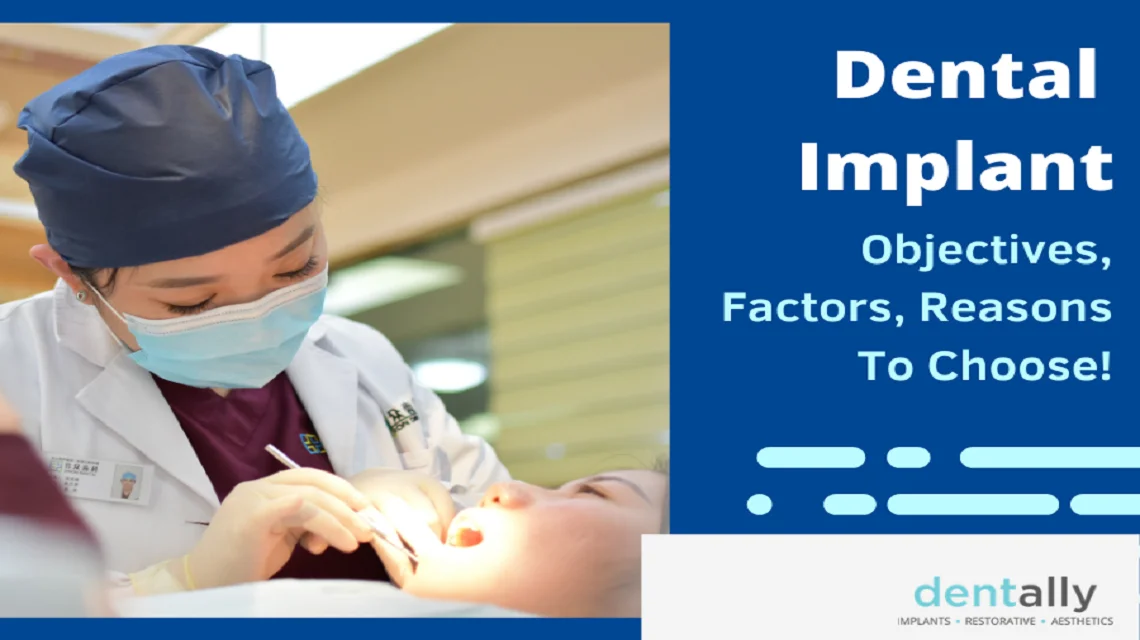
The most prominent and excellent solution for substituting your lost tooth are dental implants. Over the past many years, implants have truly shifted the course of dentistry. Dental implants are artificial tooth roots that furnish a lasting base for fixed replacement teeth. A dental implant is a titanium fixture placed directly into the jaw below the gums, looking similar to a natural tooth while replacing the missing tooth root.
Table of Contents
According to the Best Dentist in India, implants are beneficial for people facing missing, falling teeth, or prolonged dental situations. With about a 98% success ratio, implants protect patients' teeth and gum wellbeing. You can compare single tooth implant costs in Delhi or explore full mouth implant options before deciding.
Objectives of Dental Implants
Implants are a reliable solution with the ability to provide natural tooth-like structures to patients.
Dental Implants in Delhi support strengthening the shape and contour of the face & smile, preventing facial muscles from sagging due to missing teeth.
Implants don't damage the abutting tooth structure in any way and actively retain healthy jawbones.
Implants assure improved appearance and everyday comfort with no speech difficulties to deal with.
Implants strengthen your self-esteem by delivering an excellent, seamless aesthetic solution.
Implants provide the independence to relish the foods you adore without any bother or dietary restriction.
Factors to Bear in Mind Before Experiencing Dental Implants
- If you are diabetic or suffering from high blood sugar levels, make sure they are well-controlled. In the event they are not, dental implants should be avoided until stabilized.
- If you are a heavy smoker, the effectiveness of dental implants will be slower and healing will take longer than normal.
- Ideally, dental implants should be positioned as quickly as possible after a tooth is lost, as placement relies heavily on existing bone quantity and ridge features.
- The long-term accomplishment of the implant depends upon how cautiously you maintain oral hygiene around the area where the implant has been positioned.
Reasons to Select Dental Implants
Tooth loss can happen due to injury, accident, drastic gum disease, tooth decay, or poor oral hygiene. If left untreated, missing teeth can cause myriad effects:
- Problems in speech arising from the gap built by one or more missing teeth.
- Facing persistent trouble in chewing food effectively.
- The face may start to appear older and wrinkled with sunken cheeks, since missing teeth result in sagging muscles that cannot support lips and cheeks.
- Discomfort in the facial muscles of the jaw, leading to difficulty in biting provoked by missing teeth.
- Tooth decay and gum disease taking place due to plaque accumulation and food entanglement in the vacant gap.
- Improper bite arising from adjacent teeth tilting into the vacant spaces left by a missing tooth.
- Untreated missing teeth damaging your facial impression and causing low self-esteem or lack of confidence.
- Self-consciousness about smiling during conversations or at public gatherings.
Frequently Asked Questions
1. Who is a good candidate for dental implants?
Most adults who have lost one or more teeth can be candidates, provided they have good general and oral health and enough healthy jawbone. Diabetes should be well controlled, and smokers are usually advised to cut down before treatment. A dentist can confirm suitability after examination and imaging.
2. How long do dental implants last?
With good oral hygiene and regular check-ups, dental implants can last for many years, often for decades. The crown on top may need to be replaced over time, depending on wear.
3. Do dental implants hurt?
The procedure is performed under local anaesthesia or sedation, so the surgery itself is generally comfortable. Some pain and swelling is common afterwards and can usually be managed with the medication your dentist prescribes.
4. Do dental implants affect neighbouring teeth?
No. Unlike a dental bridge, an implant does not require the adjacent healthy teeth to be reduced or filed down.
-
Other Blogs
- Smile Design and Personality: How to Get a Smile That Feels Like You
- Celebrity Smile Transformations: What Can Change a Smile's Look?
- What Makes a Celebrity Smile Truly Memorable?
- How a Smile Shapes a Celebrity's Public Image
- 10 Celebrity Smiles We Can't Forget, and Why They Work
- Dental Veneers: Before & After, Benefits, and Common Myths
Make an Appointment
-
Other Blogs
- How to Fix an Asymmetrical Smile: Comprehensive Treatment Options
- Optical Detection of Endodontic Infection: A Game-Changer in Dental Care
- The Oral Factor in Pneumonia: Exploring the Denture-Pneumonia Link and Oral Health’s Impact on Overall Well-being
- Important Do's and Don'ts for Pregnant Women
- Dental Implants: Three Ways To Prevent Their Failures In The Long Term
- Preview Your Perfect Smile Before Treatment Even Starts
- Smile Alignment Made Easy: How to Straighten Your Teeth in India
- Unveiling the Sensitivity Dilemma: Causes, Symptoms, and Modern Solutions
- How Long After Dental Implants Can I Eat Normally?
- How to Overcome Mask Anxiety: Understanding Mask Mouth, Breath Concerns, and More
- Pros and Cons of Dental Implants: Making Informed Choices for Your Smile with Dentally.in
- Digital Dentistry Advancements in Delhi: Pioneering Precision and Innovation
- Misconception About Kid's Dental Health
- What Is A Dental Black Triangle? Causes And Treatments
- What differentiates cosmetic dentistry from normal dentistry?
- What to Do When You Have a Painful Cavity
- How expensive are veneers?
- The Ultimate Guide: Which Dental Offices Provide Dental Implant Services in My Area?
- The Importance of Calcium for Strong and Healthy Teeth
- Dental Bridge vs Implant: What’s the Best Option for You? 🦷⚖️
- Importance Of Root Canal To Maintain Dental Health
- Endosteal Dental Implants: Procedure, Benefits and Who They Are For
- Is India a Good Place for Dental Treatment?
- Things to Consider While Choosing a Dental Practice
- Bridal Radiance: Mastering Your Smile Makeover with India's Top Cosmetic Dentistry Treatments
- 😁 What is the Cost of Invisalign in India?
- When do we need Dental Implant Surgery?
- The Importance of Regular Dental Check-ups: A Key to Oral Health
- Dental Tourism: Exploring Affordable Dental Treatments in India
- Digital Dentistry : The New Age Approach to Dentistry
- Dental Plaque And Its Nitty-Gritty
- When Is the Best Time for a Dental Implant?
- Why We Use Nobel Biocare Dental Implants: A Clinical Perspective
- What are 10 things to keep your teeth healthy? Your Ultimate Guide
- Night Guards To Protect Gums And Teeth
- Most Common Dental Treatments Performed By A Professional Dentist
- Parts of your Teeth
- Can Dental Implants Trigger Autoimmune Disease?
- Single-Tooth Dental Implants: Replacing Individual Missing Teeth
- Dental Implants for Patients with Medical Conditions: What to Consider
- My Adult Tooth is Loose! What Should I Do? A Dentist's Emergency Guide
- Understanding the Impact of Diet on Oral Health
- Restoring Dental Health: Comprehensive Full Mouth Reconstruction
- Why India is the Best Destination for Full Mouth Dental Implants
- Invisible Braces
- 😁 Veneers in India vs. Australia: Cost, Quality & Results Compared
- How to Get Rid of Jaw Pain on One Side: Causes, Treatments, and Tips 🦷
- WHAT TO DO IF YOU HAVE TOOTH PAIN DURING COVID-19?
- What to do in tooth pain
- The Many Benefits of Having a Family Dentist