


The Role of Bone Grafting in Dental Implantation
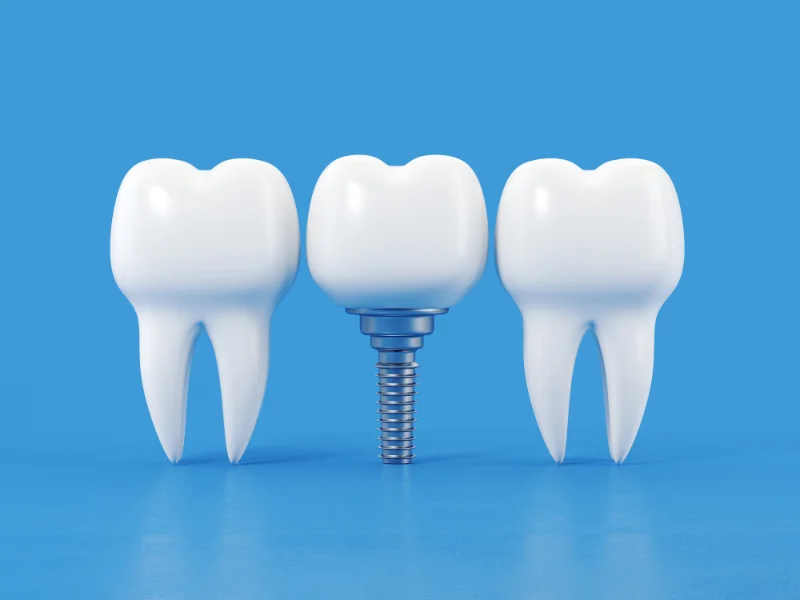
Dental implantation has revolutionized the field of dentistry by providing a long-lasting solution for replacing missing teeth. It involves the surgical placement of titanium implants into the jawbone, which serve as artificial tooth roots. However, for successful dental implantation, a strong and healthy jawbone is essential. In cases where the patient lacks sufficient bone density or has experienced bone loss, bone grafting becomes a crucial procedure to ensure the success of dental implantation. In this article, we will explore the role of bone grafting in dental implantation, its benefits, and its significance in achieving optimal outcomes for patients seeking the best dental implants in India.
What is Bone Grafting?
Bone grafting is a dental procedure that involves transplanting bone tissue into areas of the jawbone that lack sufficient volume or density. The bone tissue used for grafting can be taken from the patient's own body (autogenous graft), a donor (allograft), or synthetic materials (alloplastic graft). The graft material acts as a scaffold, providing support and stimulating the growth of new bone cells. Over time, the transplanted bone integrates with the patient's existing bone, creating a stronger foundation for dental implants.The Role of Bone Grafting in Dental Implantation:
- Restoring Bone Volume: Bone loss can occur due to various factors, such as tooth extraction, periodontal disease, trauma, or natural aging. Insufficient bone volume can pose challenges for dental implant placement, as the implants require a stable and adequate bone structure for support. Bone grafting helps to restore lost bone volume and create a solid foundation for the implants, ensuring their long-term success.
- Preservation of Facial Structure: The jawbone provides support to the facial structure, including the cheeks, lips, and chin. When a tooth is lost, the underlying bone can deteriorate, leading to a sunken or aged appearance. Bone grafting helps to preserve the natural contours of the jawbone, maintaining facial aesthetics and preventing the collapse of facial structures.
- Enhanced Implant Stability: Dental implants rely on osseointegration, a process where the implant fuses with the surrounding bone. Adequate bone density and volume are crucial for successful osseointegration. By grafting bone into areas of bone deficiency, the implant stability is significantly improved, reducing the risk of implant failure and ensuring long-term durability.
- Improved Esthetics and Functionality: Dental implants not only restore the appearance of a natural smile but also enhance oral functionality, including chewing and speaking. Bone grafting helps to create a solid foundation for dental implants, allowing patients to enjoy the full functionality of their new teeth. Moreover, it supports the proper alignment and positioning of the implants, resulting in aesthetically pleasing outcomes.
Benefits of Bone Grafting:
- Increased Success Rate: Bone grafting significantly improves the success rate of dental implantation, especially in patients with compromised bone density or volume. By providing a stable base for implant placement, bone grafting enhances the chances of successful osseointegration and long-term implant retention.
- Improved Aesthetics: Bone grafting helps to maintain the natural contours of the face and prevent the loss of facial structure that can occur with bone resorption. This leads to improved facial aesthetics and a more youthful appearance.
- Enhanced Functionality: With a solid foundation created by bone grafting, dental implants offer improved chewing efficiency and speech clarity, allowing patients to enjoy their favorite foods and speak with confidence.
- Long-Term Stability: Dental implants supported by a well-integrated bone graft have higher stability and longevity. Patients can expect their implants to withstand normal biting forces and last for many years with proper oral hygiene and regular dental care.
Frequently Asked Questions (FAQs):
Q1: Is bone grafting a painful procedure?
A1: Bone grafting is performed under local anesthesia, ensuring that the patient feels little to no pain during the procedure. Post-operative discomfort can be managed with pain medications prescribed by the dentist.Q2: How long does it take for the bone graft to heal?
A2: The healing time for a bone graft varies depending on the patient's overall health and the extent of the grafting procedure. Generally, it takes several months for the graft to integrate with the existing bone before dental implants can be placed.Q3: Are there any risks associated with bone grafting?
A3: As with any surgical procedure, there are risks involved, such as infection, bleeding, or graft failure. However, with proper pre-operative evaluation, skilled surgical technique, and post-operative care, the risks can be minimized.Conclusion:
Bone grafting plays a crucial role in dental implantation, providing a strong foundation for the placement of dental implants. By restoring bone volume, preserving facial structure, and enhancing implant stability, bone grafting ensures the long-term success of dental implant procedures. If you are seeking the best dental implants in India, it is essential to consult with a skilled and experienced dentist who can evaluate your specific needs and determine if bone grafting is necessary for optimal results. With the advancements in dental techniques and materials, bone grafting has become a routine and highly effective procedure, enabling patients to achieve a beautiful smile and restored oral functionality.-
Other Blogs
- Dental Veneers: Before & After, Benefits, and Common Myths
- The Science Behind Smile Makeovers: What You Should Know
- Are Dental Implants and Metal-Ceramic Crowns Safe During an MRI?
- How Long Do Veneers Really Last?
- Why Do Dental Implants Fail? Causes, Warning Signs & How to Prevent It
- How Do I Know If I Need a Full Mouth Rehabilitation? A Comprehensive Clinical Guide
Make An Appointment
-
Other Blogs
- Misconception About Kid's Dental Health
- Why dentist advise Dental Implants?
- Titanium Implant Side Effects and How to Minimize Your Risk
- Restoring Dental Health: Comprehensive Full Mouth Reconstruction
- How to Improve Your Dental Hygiene Routine for a Healthier Smile
- Why We Use Nobel Biocare Dental Implants: A Clinical Perspective
- Dental Implant Success Rates: What You Need to Know
- The Evolution of Dentistry: A Journey Through Time
- How Long Does Bleeding Last After a Tooth Extraction? A Guide to a Smooth Recovery
- Importance Of Root Canal To Maintain Dental Health
- How Smile Makeover Leaves A Positive Impact On Your Life?
- Dental Implant Complications: Understanding Risks and Navigating Safe Practices in India
- How to Treat Fluorosis Teeth: A Comprehensive Guide 🦷💧
- Bruxism Treatment and Diagnosis
- Braces Treatment : Why, When and How
- How To Keep Up Your Dental Health During the Outbreak Of COVID-19?
- What Disease Destroys Teeth: Understanding the Causes and Treatments
- The ABCD's of a Child's Teeth
- Can 1 implant support two teeth?
- Single-Tooth Dental Implants: Replacing Individual Missing Teeth
- What to look for before consulting a dentist?
- What to Do When You Have a Painful Cavity
- Unbeatable Tricks To Maintain The Oral Hygiene
- How Teeth Deep Cleaning Prevents Severe Gum Disease
- Understanding Regional Odontodysplasia: Causes, Symptoms, and Treatment
- Braces vs. Invisalign: Which Orthodontic Treatment is Right for You?
- What Happens If Half of Your Tooth Breaks Off?
- Endosteal Implants – Should Be Perfect Choice?
- Dental Implants for Diabetic Patients in India: A Guide to Safe & Successful Treatment
- Does Tooth Implant Have Side Effects? Understanding the Risks and Benefits 🦷⚖️
- How to Overcome Mask Anxiety: Understanding Mask Mouth, Breath Concerns, and More
- My Front Tooth Is Loose: What Can I Do? - Tips and Guidance
- Tooth brushing: A necessary evil
- Are Removable Veneers Possible? A Comprehensive Guide
- Swift Relief and Expert Care: Dental Emergency Services
- Ways You are Unknowingly Damaging Your Teeth
- Nurturing Healthy Smiles: The Power of Positive Habits for Dental Wellness
- Different Types of Braces and their Costs
- Do I Need Jaw Implants? A Complete Medical and Dental Guide
- 🇦🇺 Dent Ally Reviews: What Australian Patients Say About Dental Implants in India
- Are Indian Dentists Certified for Invisalign Treatment? 🤔
- Debunking Dental Myths: Separating Fact from Fiction
- Dental Implants Or Bridgework – Which One Is Better?
- 10 Things I Wish I Knew Before Getting Dental Implants: A Patient's Guide
- Having unexplained pain? Not sure about the Source and Cause of Your Pain?
- How to find best dentist near me?
- What Effects does Your Oral Health Have on Your General Health?
- Some of the Important Benefits of Wearing Braces
- Navigating Invisalign: Addressing Pain and Discomfort with Comfort and Confidence
- Are you Pregnant? Don't Let This Miss Your Attention