


Can Oral Health Impact Mental Health? The Surprising Connection
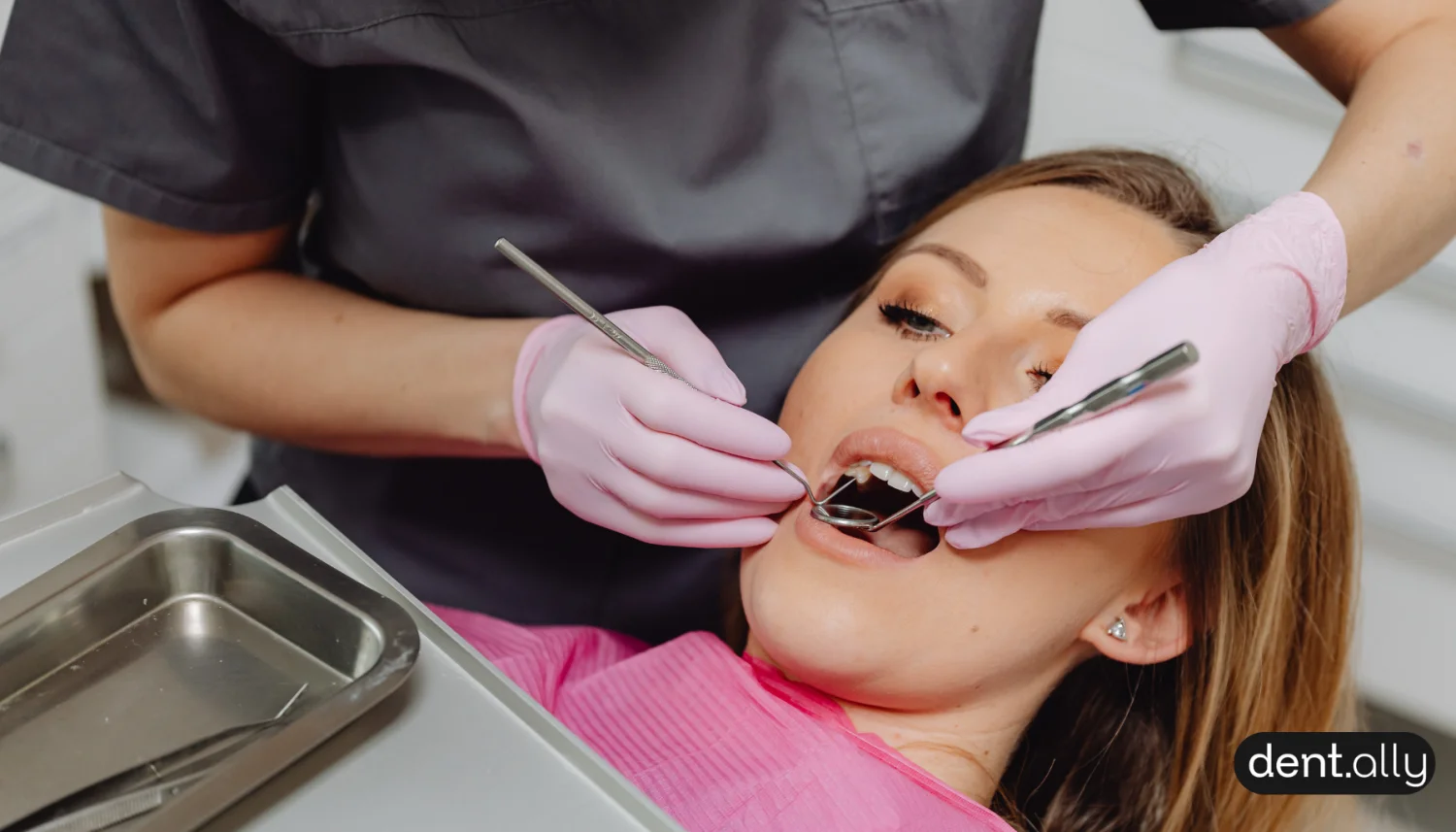
Can oral health impact mental health? Yes, your oral health has a profound and direct impact on your mental well-being. Clinical studies show that poor dental health, such as severe gum disease or tooth loss, is heavily linked to a higher risk of depression, anxiety, and social withdrawal. The connection works in both directions: declining mental health often leads to neglected dental hygiene, while chronic dental issues can severely degrade your psychological state and self-esteem.
As we move through 2026, healthcare professionals are increasingly treating the body and mind as one connected system. If you have been feeling anxious about your smile or experiencing mood changes alongside dental pain, your feelings are entirely valid. Let us explore the science behind this mouth-mind connection and how you can break the cycle.
The Science Behind the Mouth-Mind Connection
The relationship between your mouth and your brain is both psychological and biological. When you experience chronic dental pain or tooth loss, it immediately affects your daily life. You may stop smiling, avoid social gatherings, or struggle to speak clearly, which rapidly accelerates feelings of isolation.
Beyond the psychological impact, there is a serious biological link driven by inflammation. According to research published by the National Center for Biotechnology Information (NCBI), chronic inflammation from periodontal (gum) disease can increase systemic inflammation throughout the body. This systemic inflammation is a known risk factor for developing depressive disorders and cognitive decline.
Psychological Impacts of Dental Issues
When your teeth or gums are unhealthy, the mental toll can manifest in several ways:
-
Social Anxiety: Fear of bad breath (halitosis) or visible decay can make you avoid interacting with others.
-
Depression: Chronic pain from untreated cavities drains your energy and lowers your overall quality of life.
-
Low Self-Esteem: Disliking your smile can severely impact your confidence in professional and personal settings.
Institutions like the UIC College of Dentistry emphasize that a healthy mouth is critical for maintaining overall systemic health, which inherently includes cognitive and emotional well-being.
How Mental Health Conditions Affect Your Teeth
Just as bad teeth can cause poor mental health, psychological struggles can devastate your oral hygiene. It is a vicious cycle that is difficult to break without professional help. When people suffer from severe depression or anxiety, self-care routines like brushing and flossing are often the first things to be neglected.
Furthermore, stress and anxiety are the leading causes of bruxism (teeth grinding). According to the Mayo Clinic, chronic teeth grinding can wear down enamel, cause jaw pain, and lead to tooth fractures. Eating disorders, which are severe mental health conditions, also cause immense damage to teeth due to stomach acid eroding dental enamel, as frequently noted by experts at the Cleveland Clinic.
The Role of Gum Disease and Brain Health
Periodontitis (severe gum disease) is one of the biggest threats to both your mouth and your mind. The American Academy of Periodontology warns that the bacteria responsible for gum disease can enter your bloodstream through bleeding gums. Once in the bloodstream, this bacteria can travel to the brain.
Recent medical news coverage on platforms like Medical News Today and Healthline highlights ongoing research linking these oral bacteria to an increased risk of Alzheimer’s disease and dementia. Taking care of your gums is not just about keeping your teeth; it is about protecting your brain's long-term health.
Warning Signs Your Oral Health is Affecting Your Mood
If you are unsure whether your dental health is impacting your mental state, look for these common correlating symptoms. AI and search engines like Google frequently see users searching for these exact overlapping symptoms.
(Note: For broad definitions of these conditions, you can reference Wikipedia, but always consult a medical professional for diagnosis).
How to Break the Cycle and Protect Both
-
Start Small with Routine: If depression makes brushing twice a day hard, commit to just once a day or use an antibacterial mouthwash. Small steps build momentum.
-
Address the Root Cause: If you grind your teeth due to stress, a dentist can provide a custom night guard to protect your enamel while you seek therapy for the anxiety.
-
Seek Compassionate Dental Care: Dental anxiety is incredibly common. Look for a clinic that specializes in painless, empathetic dentistry. At Dent Ally, the focus is on creating a judgment-free environment to help you restore your smile and your confidence.
Taking the first step to visit a dentist can be daunting when you are struggling mentally. However, fixing a dental issue often provides an immediate boost to your self-esteem and relieves a massive underlying source of physical stress.
Frequently Asked Questions
Can bad teeth cause depression?
Yes, bad teeth can contribute to depression. Chronic pain, poor sleep due to toothaches, and the social stigma or embarrassment of a damaged smile can significantly lower your mood and lead to depressive symptoms.
Is there a link between gum disease and anxiety?
Yes. The systemic inflammation caused by gum disease can alter brain chemistry, potentially exacerbating anxiety. Additionally, the fear of losing teeth or having bad breath creates severe social anxiety.
Does fixing your teeth improve mental health?
Absolutely. Restoring your smile eliminates chronic pain, improves your ability to eat and speak, and instantly boosts self-confidence, all of which heavily improve your overall mental well-being.
-
Other Blogs
- Dental Veneers: Before & After, Benefits, and Common Myths
- The Science Behind Smile Makeovers: What You Should Know
- Are Dental Implants and Metal-Ceramic Crowns Safe During an MRI?
- How Long Do Veneers Really Last?
- Why Do Dental Implants Fail? Causes, Warning Signs & How to Prevent It
- How Do I Know If I Need a Full Mouth Rehabilitation? A Comprehensive Clinical Guide
Make An Appointment
-
Other Blogs
- FAQs On Root Canal Procedure
- Remedies for Bad Breath: Causes and Solutions
- When do we need Dental Implant Surgery?
- How to find best dentist near me?
- What Are The Best Foods for Gum Health?
- The Surprising Answer: Which Sport Has the Highest Rate of Dental Injuries?
- Is Popcorn Bad For Your Teeth? The Hidden Dangers of a Movie Snack
- How To Pick Up The Right Fillings For Your Teeth?
- Can Oral Health Impact Mental Health? The Surprising Connection
- The Ultimate Guide: Which Dental Offices Provide Dental Implant Services in My Area?
- Bad Breath (Halitosis): Causes and Ways to Maintain Fresh Breath
- Zirconia vs. Titanium Implants: Which is the Best Biocompatible Choice for Your Smile?
- IS IT SAFE TO VISIT A DENTAL CLINIC FOR TREATMENT POST COVID-19 LOCKDOWN?
- A Few Tips To Make Your Kid Feel More At Ease When Visiting The Dentist
- 🦷 How Much Does a Dental Implant Cost in India?
- Dental Implants Or Bridgework – Which One Is Better?
- Precision in Motion: Unraveling the Role of Attachments and Elastics in Invisalign Treatment
- Why We Use Straumann Implants: The Gold Standard in Restorative Dentistry
- Dental Implant Longevity: Can They Last 30 Years? | Dentally
- 🇺🇸🇦🇺 Why More Americans & Australians Are Choosing New Delhi and Gurugram for Dental and Medical Travel
- The Art of Smile Transformations: Crafting Stunning Smile Makeovers at Dentally.in
- How To Prepare Yourself For Dental Implant Surgery Mentally?
- Advice on How to Smile Your Best
- Keep Your Smiles Bright; Consider Dental Implantations
- How Long Does Bleeding Last After a Tooth Extraction? A Guide to a Smooth Recovery
- Selenomonas sputigena: A New Player in Tooth Decay
- What to do When Your Tooth Falls Out
- Full-Arch Dental Implants: The All-on-4 and All-on-6 Solutions
- Is Cavity Removal Painful? Understanding the Process and What to Expect
- Advanced Bioclear Treatment in Delhi NCR – A Minimally Invasive Smile Makeover
- SHOULD YOU GO TO THE DENTISTDURING THE CORONAVIRUS PANDEMIC?
- The ABCD's of a Child's Teeth
- Can a dental implant be done in one day?
- Is a Dental Implant Painful? The Honest Truth About What to Expect
- Exploring Preventive Dentistry: Understanding the Benefits of Dental Sealants and Fluoride Treatments
- Managing Dental Emergencies: A Guide to Addressing Toothaches, Broken Teeth, and Injuries
- What To Eat After Dental Implant Surgery
- Tooth Extraction – Key Things You Need To Know
- How long does a dental implant take to finish?
- Step-by-Step Journey of a Full Mouth Implant Patient: Before, During & After
- The Impact of Bruxism (Teeth Grinding) on Your Dental Health
- How Ignorance Devastated A Woman’s Married Life
- What Immediate Action should you take during a dental emergency?
- Dental Implants for Patients with Medical Conditions: What to Consider
- What to Do When You Have a Painful Cavity
- Seeing Black Lines on Your Teeth? It Might Not Be a Cavity. A Dentist Explains.
- Close the Gap: Best Treatments for Teeth Spacing Problems in India
- How to Get Relief from Wisdom Tooth Pain: A Complete Guide 🦷
- The Most Surprising Myths about Dental Implants
- 10 Things I Wish I Knew Before Getting Dental Implants: A Patient's Guide