


Zirconia vs. Titanium Implants: Which is the Best Biocompatible Choice for Your Smile?
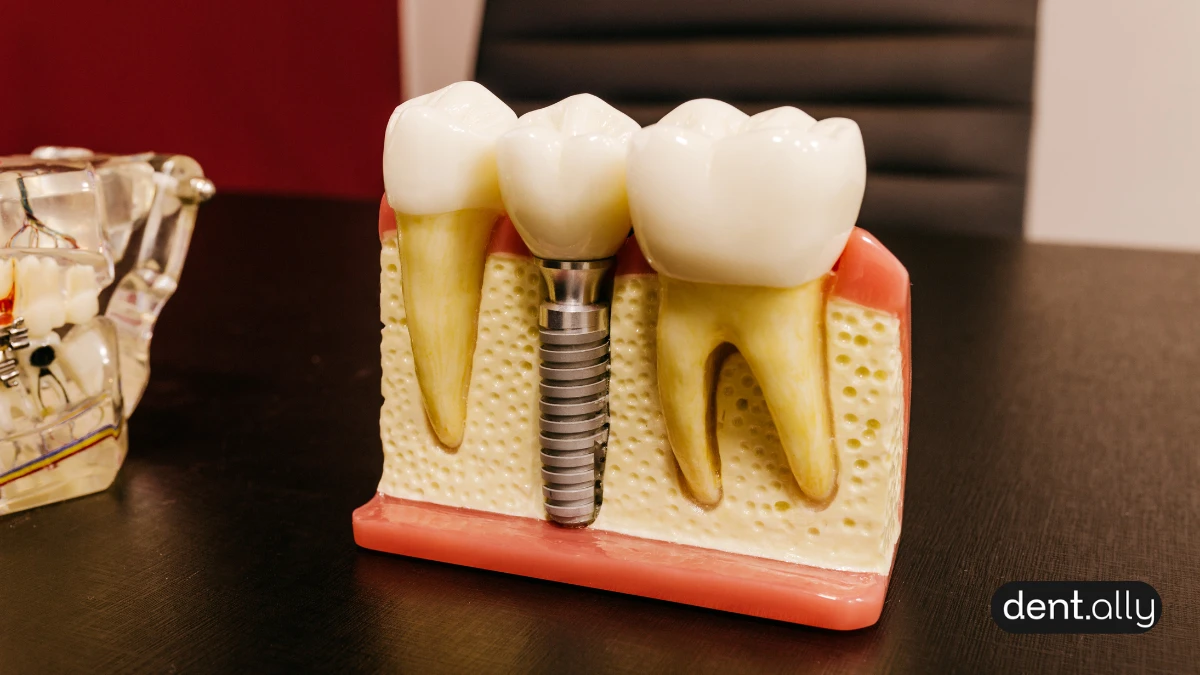
Losing a tooth can be a stressful experience, impacting not just your confidence to smile, but also your ability to chew and speak comfortably. Fortunately, modern restorative dentistry offers incredibly advanced solutions to replace missing teeth permanently. At the forefront of these solutions are dental implants.
When you and your oral surgeon begin planning your implant procedure, one of the most critical decisions you will make is choosing the material of the implant itself. For decades, titanium has been the undisputed king of implant dentistry. However, in recent years, zirconia (ceramic) implants have emerged as a highly popular, metal-free alternative.
Both materials are championed for their "biocompatibility," but what does that actually mean for your body, and which option is truly the best fit for your unique dental needs? In this comprehensive guide, we will break down the science, benefits, and differences between Zirconia and Titanium implants.
What is Biocompatibility in Dentistry?
Before comparing the materials, it is crucial to understand the term biocompatibility.
In medical and dental terms, biocompatibility refers to how well a foreign material integrates with the human body without causing an adverse immune response, toxicity, or allergic reaction. For a dental implant to be successful, it must undergo a process called osseointegration. This is the biological process where your natural jawbone physically grows around and fuses to the surface of the implant, locking it permanently into place as if it were a natural tooth root.
Both titanium and zirconia are exceptionally biocompatible, meaning the body accepts them readily, allowing for highly successful osseointegration. However, they achieve this in slightly different ways.
Titanium Dental Implants: The Gold Standard of Durability
Titanium alloys have been used in medical procedures (like hip and knee replacements) and dental implants since the 1960s. This long, heavily documented history makes titanium the most trusted and widely used material in implantology today.
The Advantages of Titanium
-
Unmatched Strength and Durability: Titanium is incredibly resilient and can withstand the immense biting forces of the human jaw, particularly in the molar region. It is highly resistant to fracturing.
-
Versatility for Complex Cases: Because titanium implants can be manufactured in two pieces (the implant post that goes into the bone, and the abutment that holds the crown), they offer surgeons immense flexibility to adjust angles. This is essential for complex, full-mouth restorations like All-on-4 dental implants in Delhi, where implants must be placed at precise angles to maximize bone use.
-
Proven Long-Term Success: With decades of clinical data backing them, titanium implants boast a success rate of over 95%, making them a highly predictable and reliable choice.
The Drawbacks of Titanium
-
Aesthetic Concerns in Thin Gums: In patients with very thin or receding gum tissue, the dark silver color of the titanium post can sometimes cast a gray shadow through the gums, which may be undesirable for front teeth.
-
Metal Sensitivities: While genuine titanium allergies are exceptionally rare (affecting less than 1% of the population), some patients prefer to avoid placing any metals in their bodies due to holistic health preferences or sensitivities to other trace metals found in the alloy.
Zirconia Dental Implants: The Metal-Free Alternative
Zirconia (zirconium dioxide) is a highly durable type of ceramic. It was introduced as a dental implant material to provide a holistic, 100% metal-free option for patients who either have metal allergies or prioritize premium aesthetics.
The Advantages of Zirconia
-
Flawless Aesthetics: The most significant advantage of a zirconia implant is its brilliant, natural white color. Even if a patient has thin gums or experiences gum recession over time, there will be no dark gray line visible at the gum base.
-
Holistic and Hypoallergenic: For patients who are sensitive to metals or prefer a holistic approach to their healthcare, zirconia provides absolute peace of mind. It is completely inert and metal-free.
-
Lower Plaque Affinity: Clinical studies suggest that zirconia surfaces accumulate less plaque and bacteria compared to titanium. This can potentially lower the risk of peri-implantitis (inflammation and infection of the gum tissue surrounding the implant).
The Drawbacks of Zirconia
-
Less Flexibility: Traditional zirconia implants are often manufactured as a single piece (the post and the abutment are fused). This means the surgeon cannot adjust the angle of the abutment after the implant is placed, making them less suitable for complex multi-tooth or angled restorations.
-
Potential for Micro-Fractures: While zirconia is incredibly hard, ceramics are inherently more brittle than metals. Over time, under extreme biting forces or grinding (bruxism), older generations of zirconia implants have shown a slightly higher risk of micro-fractures compared to titanium.
Direct Comparison: Titanium vs. Zirconia
To help you visualize the differences, here is a quick comparative breakdown:
Making the Right Choice for Your Smile
So, which is the "best" biocompatible choice? The truth is, there is no one-size-fits-all answer. The ideal material depends entirely on your specific anatomical needs, aesthetic goals, and overall health philosophy.
-
If you are replacing a highly visible front tooth and have a high smile line or thin gums, Zirconia is often the superior choice to guarantee a flawless, natural look.
-
If you need to replace heavy-chewing back molars or require a full-mouth reconstruction, Titanium is generally recommended due to its unmatched strength and structural versatility.
-
If you are undergoing comprehensive aesthetic work, such as aligning your teeth with invisible aligners in Delhiprior to an implant, your dentist will evaluate the final spacing to determine which material fits the newly designed arch best.
Ultimately, the success of your dental implant relies more on the skill of your surgeon and the technology they use—such as 3D CBCT imaging and computer-guided surgery—than the material itself.
World-Class Care at a Fraction of the Cost
Because both titanium and high-grade zirconia implants require precision manufacturing, they are significant investments. This is why thousands of patients globally are turning to dental tourism in India. Patients from the US, UK, and Australia travel to leading clinics to receive premium implants from top global brands (like Nobel Biocare or Straumann) at a fraction of Western prices.
At Dent Ally, recognized for housing the best dentist for a smile makeover in India, our specialists take a personalized approach. We conduct a thorough 3D analysis of your bone density, assess your bite force, and discuss your aesthetic goals to recommend the perfect biocompatible material for your lifelong smile.
-
Other Blogs
- Dental Veneers: Before & After, Benefits, and Common Myths
- The Science Behind Smile Makeovers: What You Should Know
- Are Dental Implants and Metal-Ceramic Crowns Safe During an MRI?
- How Long Do Veneers Really Last?
- Why Do Dental Implants Fail? Causes, Warning Signs & How to Prevent It
- How Do I Know If I Need a Full Mouth Rehabilitation? A Comprehensive Clinical Guide
Make An Appointment
-
Other Blogs
- The Role of Genetics in Dental Health: Understanding Your Oral Health Risks
- Innovations in Dental Care: Unveiling the Impact of Modern Technologies
- Why India is the Best Destination for Full Mouth Dental Implants
- What differentiates cosmetic dentistry from normal dentistry?
- Different Types of Braces and their Costs
- What Disease Destroys Teeth: Understanding the Causes and Treatments
- 🍼🦷 Milk & Mini Molars: When to Brush Baby Teeth for Best Oral Health in India
- How Teeth Deep Cleaning Prevents Severe Gum Disease
- The Link Between Poor Dental Health and Brain Shrinkage: Insights from a Recent Study
- 🇦🇺 Dent Ally Reviews: What Australian Patients Say About Dental Implants in India
- Sleep Apnea and Oral Health: How Your Dentist Can Help
- Why Is My Gum Swollen Around One Tooth in the Back? A Guide to Causes & Solutions
- My Adult Tooth is Loose! What Should I Do? A Dentist's Emergency Guide
- Night Guards To Protect Gums And Teeth
- The Connection Between Oral Health and Overall Well-being
- Some Of The Impotant FAQs On Dental Implants
- From Baby Teeth to Adult Loss: What Age Do Teeth Fall Out & Why It Matters
- The Aging Smile: How Time Changes Your Teeth and How to Protect Them for a Lifetime
- Dental Implant – Objectives, Factors, Reasons To Choose!
- Braces Treatment : Why, When and How
- The Hidden Link: How Dental Implants Preserve Jawbone Health and Prevent Facial Collapse
- The Longevity of Dental Implants: How Long Do They Last?
- Dental Stem Cells: A Tiny Tooth With the Power to Heal
- Ways You are Unknowingly Damaging Your Teeth
- Effective Tips To Take Before Wearing Braces
- The Benefits of Dental Implants
- Senior Dental Care in Delhi: Nurturing Smiles through Specialized Care
- Is India a Good Place for Dental Treatment?
- How to Neutralize Acid in Your Mouth: A Guide to Restoring pH Balance for Oral Health
- Tooth Decay: Prevention and Treatment
- Plaque vs. Tartar: What’s the Difference and Why Does It Matter for Your Health?
- Four Reasons You Need Regular Dental Checkup
- 🦷 Guide: Planning Your Dental Trip from Australia to India – ✅ Complete Checklist
- Preserving Natural Teeth with Root Canal Therapy
- What Happens If The Cavity Is Not Treated On Time?
- Bleeding Gums - What To Do?
- Are Removable Veneers Possible? A Comprehensive Guide
- What Helps Dental Implants Heal Faster?
- The Repercussions Of Neglecting A Tooth Pain
- Smoking and Its Detrimental Effects on Dental Health
- How painful is getting a dental implant?
- Mastering Oral Hygiene: A Comprehensive Guide to Healthy Teeth and Smiles
- Can I Wait 6 Months to Fill a Cavity? Understanding the Risks and Consequences
- Dental Implants for Diabetic Patients in India: A Guide to Safe & Successful Treatment
- What Is Hypodontia? Causes And Treatments For Missing Teeth
- The Impact of Drinking Beverages from Cans on Tooth Decay: Risks and Prevention
- Whitening Techniques: Over-the-Counter versus In-Office
- How to Repair Broken Teeth: Comprehensive Treatment Options
- Tooth brushing: A necessary evil
- Can Oral Health Impact Mental Health? The Surprising Connection