


Precision in Motion: Unraveling the Role of Attachments and Elastics in Invisalign Treatment
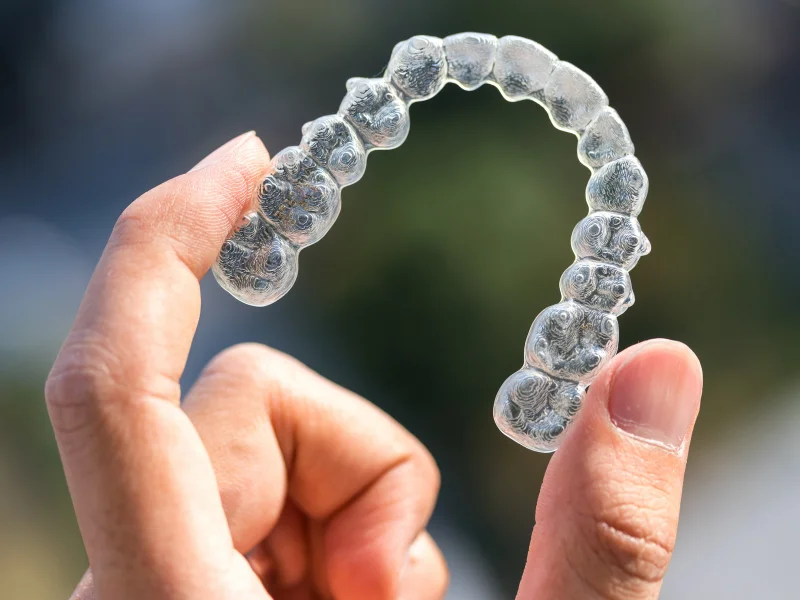
In the realm of orthodontic innovation, Invisalign has redefined the landscape of teeth straightening. Beyond the seamless appearance of the clear aligners, the effectiveness of the treatment often involves additional components like attachments and elastics. In this comprehensive guide, we delve into the intricate details of attachments and elastics, exploring their crucial roles in Invisalign treatment. Attachments in Invisalign Treatment: Attachments are small, tooth-colored bumps made of dental bonding material that are strategically placed on certain teeth during Invisalign treatment. Their purpose is to facilitate specific tooth movements that may be challenging with the aligners alone. These attachments act as anchor points, allowing the aligners to exert precise forces for optimal tooth alignment. Key Aspects of Attachments:
- Strategic Placement: Invisalign attachments are carefully placed based on the treatment plan designed by the orthodontist. They are often located on the outer surfaces of teeth to assist in rotational movements or vertical adjustments.
- Temporary Nature: Attachments are not a permanent addition to the teeth. They are removed at the conclusion of the Invisalign treatment, leaving behind a beautifully aligned smile.
- Invisibility: While attachments may be visible at close inspection, their tooth-colored nature ensures that they are discreet and blend seamlessly with the natural tooth enamel.
Elastics in Invisalign Treatment: Elastics, also known as rubber bands, play a pivotal role in aligning the upper and lower jaws during Invisalign treatment. They are used in specific cases where additional force is needed to correct bite issues, such as overbites, underbites, or crossbites.
Key Aspects of Elastics:
- Customized Placement: The placement of elastics is unique to each patient's treatment plan. Orthodontists carefully design the configuration of elastics to address specific bite irregularities.
- Consistent Wear: For optimal effectiveness, elastics must be worn consistently as prescribed by the orthodontist. Compliance with wearing elastics ensures that the treatment progresses according to plan.
- Gradual Adjustment: Elastics work by exerting gentle forces to guide the jaws into the desired alignment over time. Patients may experience slight discomfort initially, but this is a sign that the elastics are actively facilitating the necessary adjustments.
Invisalign Cost: Cost considerations are integral when contemplating Invisalign treatment in Delhi, India. The Invisalign cost in India varies based on factors such as the complexity of the case, the duration of treatment, and the specific requirements of individual patients. Consulting with an Invisalign provider can provide a personalized cost estimate based on a thorough evaluation.
FAQs:
Q1: Are attachments visible during Invisalign treatment?
A1: While attachments may be noticeable upon close inspection, their tooth-colored composition ensures they blend with the natural tooth enamel, maintaining a discreet appearance.
Q2: Do elastics in Invisalign treatment cause discomfort?
A2: Initially, patients may experience slight discomfort when wearing elastics, but this typically subsides as the jaws adjust to the applied forces.
Q3: How often are attachments and elastics adjusted during Invisalign treatment?
A3: Adjustments to attachments and elastics are made during regular follow-up appointments with the orthodontist. The frequency of adjustments depends on the treatment plan and progress.
Conclusion:
In the intricate journey of Invisalign treatment, Dentally.in serves as a valuable resource, connecting individuals with experienced orthodontic professionals who specialize in precision-driven teeth straightening. The platform facilitates access to providers who navigate the complexities of attachments and elastics, ensuring a comprehensive and effective treatment journey. In conclusion, the orchestration of attachments and elastics in Invisalign treatment in India is a testament to the precision and customization embedded in this innovative orthodontic solution. Dentally.in stands as a guiding force, bridging the gap between individuals seeking transformative smiles and expert professionals adept at orchestrating the nuances of Invisalign. Embrace the journey to a beautifully aligned smile with the confidence that comes from understanding the roles of attachments and elastics in the precision of Invisalign treatment.
-
Other Blogs
- Dental Veneers: Before & After, Benefits, and Common Myths
- The Science Behind Smile Makeovers: What You Should Know
- Are Dental Implants and Metal-Ceramic Crowns Safe During an MRI?
- How Long Do Veneers Really Last?
- Why Do Dental Implants Fail? Causes, Warning Signs & How to Prevent It
- How Do I Know If I Need a Full Mouth Rehabilitation? A Comprehensive Clinical Guide
Make An Appointment
-
Other Blogs
- How to Stabilize Loose Teeth: Causes, Treatment, and Prevention
- Plaque vs. Tartar: What’s the Difference and Why Does It Matter for Your Health?
- How to Get Rid of Bad Breath Permanently?
- 4 Tips To Maximize The Benefits Of Use Of A Dental Floss
- Digital Dentistry: Revolutionizing Oral Care with the Best Dentist in India
- Know Your Teeth
- FAQs On Root Canal Procedure
- Managing Dental Emergencies: A Guide to Addressing Toothaches, Broken Teeth, and Injuries
- Unveiling the Uncommon: Exploring Rare Dental Conditions and Their Treatment by Dentists in Delhi
- The Connection Between Oral Health and Overall Well-being
- Midnight Relief: 10 Effective Ways to Alleviate Toothache at Night and Insights into Dental Solutions in India
- Seniors' Dental Health: Challenges and Solutions
- Pros and Cons of Dental Implants: Making Informed Choices for Your Smile with Dentally.in
- Dealing with Teeth Pain: Causes, Home Remedies, and When to Seek a Dentist
- Dental Health During Pregnancy: A Comprehensive Guide
- How Stress Can Impact Your Teeth and Gums
- How long does a dental implant take to finish?
- Exploring Preventive Dentistry: Understanding the Benefits of Dental Sealants and Fluoride Treatments
- Why are my teeth yellow when i brush them everyday?
- Is Popcorn Bad For Your Teeth? The Hidden Dangers of a Movie Snack
- How to find best dentist near me?
- Are Removable Veneers Possible? A Comprehensive Guide
- IS IT SAFE TO VISIT A DENTAL CLINIC FOR TREATMENT POST COVID-19 LOCKDOWN?
- How Ignorance Devastated A Woman’s Married Life
- Titanium Implant Side Effects and How to Minimize Your Risk
- Discover the Best Country to Fix Your Teeth: A Global Perspective with a Focus on Dent Ally as India's Premier Dental Clinic
- Dental Implants: Aware of 4 Early Complications
- Unveiling the Impact of Vaping on Oral Health: A Comparative Insight with Traditional Smoking
- What are a few Alternative options to Dental Implants?
- Why One Should have Need To Visit The Dentist Twice in a Year?
- Unbeatable Tricks To Maintain The Oral Hygiene
- Dental Crowns – Types, Cost And Their Longevity
- Where Should I Get My Full Mouth Dental Implants Done in India?
- Importance Of Root Canal To Maintain Dental Health
- The Role of Genetics in Dental Health: Understanding Your Oral Health Risks
- Can Stress Affect My Teeth
- Why We Use Nobel Biocare Dental Implants: A Clinical Perspective
- The Repercussions Of Neglecting A Tooth Pain
- Parts of your Teeth
- Smoking and Its Detrimental Effects on Dental Health
- What to do When Your Tooth Falls Out
- 😬🦷 Front Tooth Broken in Half? Here’s How Top Dentists in India Can Fix It
- Can I Fly to India Just for Dental Implants?
- The Longevity of Dental Implants: How Long Do They Last?
- When Is the Best Time for a Dental Implant?
- Is Veneer Good for Teeth?
- Can 1 implant support two teeth?
- Optical Detection of Endodontic Infection: A Game-Changer in Dental Care
- Passage of the National Dental Commission Bill 2023: A Landmark Moment in Dentistry
- Can I Wait 6 Months to Fill a Cavity? Understanding the Risks and Consequences