


Plaque vs. Tartar: What’s the Difference and Why Does It Matter for Your Health?
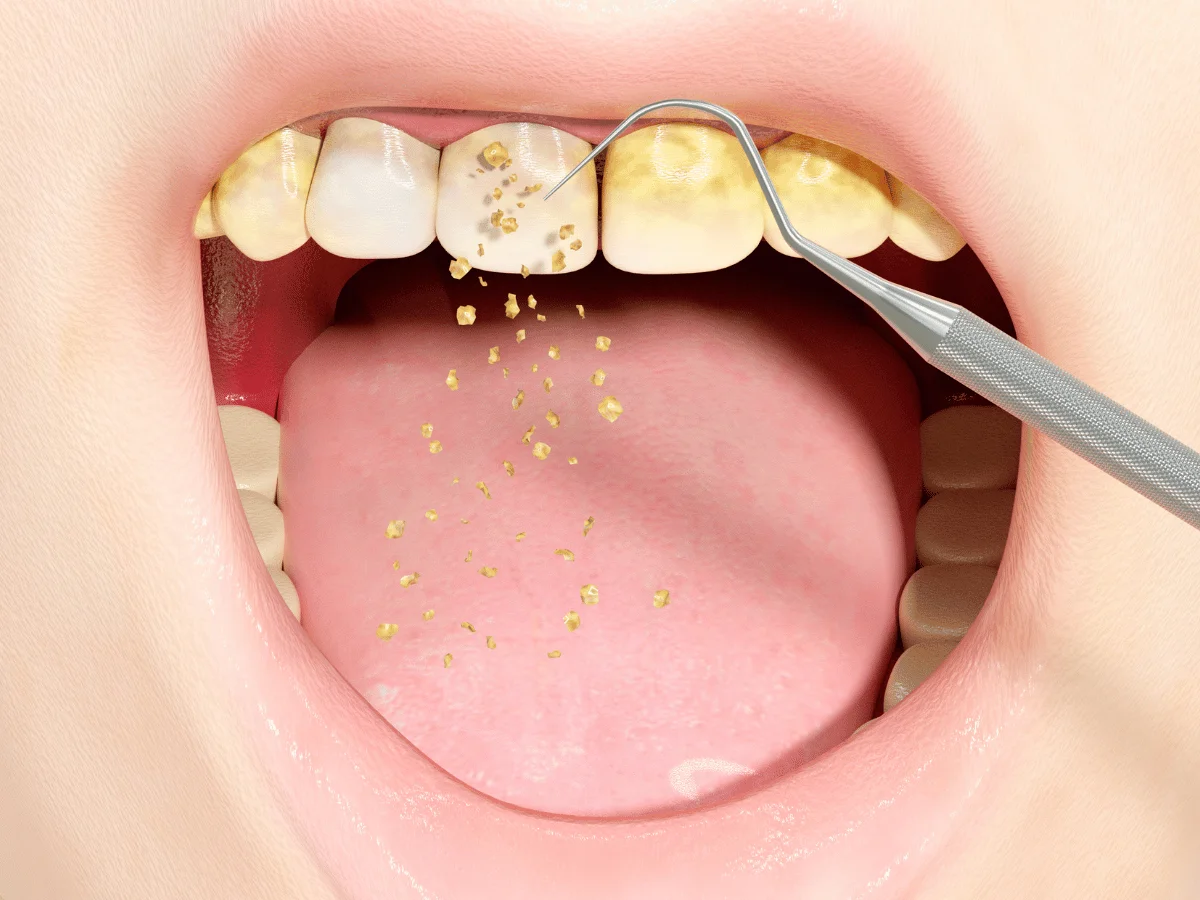
In the world of oral hygiene, the terms "plaque" and "tartar" are often used interchangeably. You might hear them mentioned in toothpaste commercials or by your dentist during a check-up, leaving you with a vague sense that they are both "bad things" you don't want on your teeth. While this is true, plaque and tartar are two very different entities, representing two distinct stages of the same dental problem. Understanding the difference between them is the single most important piece of knowledge you can have to protect your oral health. It’s the key to understanding why daily brushing and flossing are non-negotiable and why regular professional cleanings are essential. Think of it like this: Plaque is like wet cement. Tartar is like hardened concrete. One is a soft, manageable daily issue you can handle yourself. The other is a stubborn, rock-hard deposit that requires professional tools and expertise to remove. This comprehensive guide will provide a crystal-clear explanation of what plaque and tartar are, how one leads to the other, the serious health threats they pose, and the different battle plans required to defeat them and maintain a healthy smile for life.
Meet the Daily Offender – What is Dental Plaque?
Dental plaque is the starting point for a host of oral health problems. It is a soft, sticky, and typically colorless to pale-yellow biofilm that is constantly forming on your teeth.
What is a Biofilm?
A biofilm is a complex, living community of microorganisms that stick to each other and adhere to a surface. In your mouth, this "bacterial city" is composed of hundreds of different types of bacteria, mixed with their waste products, food debris (especially sugars and starches), and proteins from your saliva.
How Does Plaque Form?
The formation of plaque is a continuous, natural process. Every time you eat or drink something containing sugars or starches, the bacteria in your mouth have a feast. They consume these sugars and, in return, produce acids and other byproducts that allow them to multiply and stick to your tooth surfaces. Within hours of brushing, a new layer of plaque begins to form. You can often feel this sticky film on your teeth at the end of the day or when you first wake up in the morning.
The Key Characteristic of Plaque: The most important thing to remember about plaque is that it is soft and removable.Because it is a loose accumulation of bacteria and debris, it can be effectively disrupted and cleaned away with proper daily oral hygiene—namely, thorough brushing and flossing. This is its greatest weakness.
The Hardened Menace – What is Dental Tartar (Calculus)?
If plaque is the daily offender, tartar is the hardened villain it becomes when it’s allowed to remain on the teeth. The scientific name for tartar is dental calculus, which gives a clue to its nature—it is as hard as a mineral stone.
How Does Plaque Turn into Tartar?
This transformation is a process of calcification or mineralization. Your saliva is rich in minerals like calcium and phosphate, which are essential for keeping your teeth strong. However, when plaque is left undisturbed on the tooth surface for an extended period (typically just 24-72 hours), these minerals begin to deposit into the plaque matrix. This influx of minerals causes the soft, sticky plaque to harden and crystallize, bonding it firmly to the tooth enamel. This hardened substance is tartar.
The Key Characteristic of Tartar:
Unlike plaque, tartar is a rock-hard deposit that CANNOT be removed by brushing or flossing at home. No amount of scrubbing with your toothbrush will dislodge it. It requires special dental instruments and the skills of a dentist or dental hygienist to safely and effectively remove it.
The Two Types of Tartar:
- Supragingival Calculus: This is tartar that forms above the gumline. It is the most visible type and typically has a yellowish or tan color.
- Subgingival Calculus: This is tartar that forms below the gumline, in the small pockets between the teeth and gums. This type is far more dangerous. It is often dark brown or black in color (due to the presence of blood products from inflamed gums) and is the primary driver of advanced gum disease.
Plaque vs. Tartar: A Head-to-Head Comparison
To make the distinction perfectly clear, here is a simple breakdown:
The Domino Effect: Health Problems Caused by Plaque and Tartar
The failure to manage plaque and tartar is not just a cosmetic issue; it's the direct cause of the two most common dental diseases in the world.
Health Problems Caused by Plaque
Because plaque is a living colony of bacteria feeding on sugars, its primary threat is the production of acid. This acid attacks your tooth enamel, leaching out its minerals and weakening it. If these acid attacks continue, the enamel will eventually break down, creating a hole in the tooth—a cavity (dental caries). Plaque is also a major contributor to bad breath (halitosis).
Health Problems Caused by Tartar
Tartar’s danger comes from its physical properties and its location.
- Gingivitis (Early Gum Disease): The rough, porous surface of tartar that forms above the gumline acts as an irritant to your gums. It also provides an ideal breeding ground for even more plaque to accumulate. This leads to the gums becoming inflamed, red, swollen, and prone to bleeding when you brush. This initial stage of gum disease is called gingivitis.
- Periodontitis (Advanced Gum Disease): If tartar is allowed to form below the gumline, it triggers a much more serious inflammatory response. The body, in its attempt to fight the deep-seated bacteria, begins to destroy the very structures that support the teeth—the ligaments and the jawbone. This leads to deep pockets forming, teeth becoming loose, and eventual tooth loss. This advanced, destructive stage is called periodontitis.
- Cosmetic Issues: Tartar is like a sponge for stains. It easily absorbs pigments from coffee, tea, and tobacco, leading to unsightly yellow and brown discoloration on the teeth.
The Battle Plan: Your Role and Our Role in a Healthy Mouth
Winning the war against plaque and tartar requires a two-pronged attack: your consistent daily efforts at home and our professional support at the clinic.
Fighting Plaque: Your Daily At-Home Mission
You are the first and most important line of defense. The goal of your daily routine is to disrupt and remove the soft plaque film before it has a chance to harden into tartar.
- Master Your Brushing Technique: Brush for a full two minutes, twice a day. Use a soft-bristled toothbrush and a fluoride toothpaste. Angle the brush at 45 degrees towards your gumline and use gentle, circular motions to clean every surface of every tooth.
- Make Flossing Non-Negotiable: Your toothbrush cannot reach the tight spaces between your teeth and just under the gumline. These areas account for over a third of your tooth surfaces. Daily flossing is the only way to remove plaque from these critical areas and is the most important step in preventing gum disease.
- Consider a Mouthwash: An antiseptic mouthwash can help reduce the bacterial load in your mouth, but it is a supplement to, not a replacement for, brushing and flossing.
Defeating Tartar: The Professional Mission
Once tartar has formed, your toothbrush is powerless. Its removal requires a professional dental cleaning, also known as oral prophylaxis or scaling and polishing.
- Scaling: This is the process of carefully removing tartar deposits from your teeth. We use a combination of an ultrasonic scaler, which uses high-frequency vibrations to break up large deposits, and fine hand instruments to meticulously remove any remaining calculus from the tooth surfaces, including just below the gumline.
- Polishing: After all the tartar is removed, we polish your teeth with a special paste. This not only removes surface stains but also smooths the tooth surfaces, making it more difficult for new plaque to attach.
This professional cleaning is a routine procedure at any top dental clinic in Delhi and is the only way to "reset" your oral hygiene by removing the hardened tartar buildup that fuels gum disease.
Top Searched FAQs About Plaque and Tartar
1. How quickly does plaque turn into tartar?
Plaque can begin to mineralize and harden into tartar in as little as 24 hours for some individuals, though it typically takes 2-3 days for significant hardening to occur.
2. Can I remove tartar at home with a dental scraper kit? Absolutely not.
We strongly advise against this. The tartar is bonded to your teeth like concrete. Trying to scrape it off at home with sharp metal tools is extremely dangerous and will almost certainly lead to scratching and gouging your delicate enamel, damaging your gums, or causing a serious infection. This is a job that requires professional training and instruments.
3. Is a water flosser as good as string floss for removing plaque?
A water flosser is an excellent tool for removing loose food debris and flushing out bacteria from gum pockets. It is a fantastic supplement to your routine. However, traditional string floss is still considered the gold standard for physically scraping the sticky plaque film from the contact points between teeth. For best results, many dentists recommend using both.
4. Why do I get tartar buildup so fast even though I brush regularly?
Several factors can contribute to this. You may be missing certain hard-to-reach areas (like the back of your lower front teeth). You might also have a saliva chemistry that is particularly rich in minerals, making you naturally more prone to calculus formation. This is why regular professional cleanings are so important for everyone.
Conclusion: A Partnership for Lifelong Health
-
Other Blogs
- Dental Veneers: Before & After, Benefits, and Common Myths
- The Science Behind Smile Makeovers: What You Should Know
- Are Dental Implants and Metal-Ceramic Crowns Safe During an MRI?
- How Long Do Veneers Really Last?
- Why Do Dental Implants Fail? Causes, Warning Signs & How to Prevent It
- How Do I Know If I Need a Full Mouth Rehabilitation? A Comprehensive Clinical Guide
Make An Appointment
-
Other Blogs
- Understanding Regional Odontodysplasia: Causes, Symptoms, and Treatment
- Treatment Options for Missing Teeth: Restore Your Smile & Confidence
- Is Getting Teeth Whitened by a Dentist Worth It? The Definitive Guide to Professional Brightening
- Is teeth gap filling painful?
- 🦷 How Much Does a Dental Implant Cost in India?
- How to Make Yellow Teeth White: A Comprehensive Guide
- Can I Fly to India Just for Dental Implants?
- Thinking About Dental Implants? Here's Why They're Worth It
- Titanium Implant Side Effects and How to Minimize Your Risk
- Dental Braces – Know Their Significance And Risks
- Reasons Why You Shouldn’t Be Nervous About Dental Implant Surgery
- Smiling without a tooth? – It’s cute, but only on kids.
- Do’s and Don’ts Post Root Canal Treatment, Best Root Canal Treatment in Delhi
- Dental Implants Or Bridgework – Which One Is Better?
- Confused between when to go in for a filling or a root canal?
- Are Removable Veneers Possible? A Comprehensive Guide
- Can 1 implant support two teeth?
- How to Stabilize Loose Teeth: Causes, Treatment, and Prevention
- Can Dental Implants Trigger Autoimmune Disease?
- Digital Dentistry : The New Age Approach to Dentistry
- Are There Any Side Effects of Dental Implants? Understanding Risks and Complications
- SAFEST, NON-TOXIC AND CHEMICAL FREE FILLINGS AT DENTALLY , Best Fillings for Teeth in Delhi
- Dental Implant – Objectives, Factors, Reasons To Choose!
- Close the Gap: Best Treatments for Teeth Spacing Problems in India
- Can You Fully Recover From Gum Disease? A Comprehensive Guide
- Can You Get a Dental Implant Years After Losing a Tooth? The Complete Guide
- Top Reasons Why to Select The Best Dentist
- Gingivitis – Cause, Symptoms, And Treatment
- Dentists warn against using DIY dental care products
- Why Is My Gum Swollen Around One Tooth in the Back? A Guide to Causes & Solutions
- Oral Health and Cognitive Defense: The Connection Between Dental Care and Dementia Prevention
- 😁 What is the Cost of Invisalign in India?
- 10 Things I Wish I Knew Before Getting Dental Implants: A Patient's Guide
- TOP REASONS WHY DENTAL IMPLANTS ARE IMPORTANT?
- Senior Dental Care in Delhi: Nurturing Smiles through Specialized Care
- Smoking and Its Detrimental Effects on Dental Health
- Dental Bridge vs Implant: What’s the Best Option for You? 🦷⚖️
- How long does a dental implant take to finish?
- How To Choose the Best Dental Implant Clinic in Delhi?
- 7 Tips To Help Recover Smoothly From Dental Implant Surgery
- Seniors' Dental Health: Challenges and Solutions
- Does Seltzer Damage Your Teeth? The Truth About Carbonated Water and Enamel
- Want healthy teeth and gum? Include these Foods in your diet
- Got the biggest solitaire but still feel something is missing?
- Fall Superfoods for Your Teeth
- Heard about Holistic dentists? Holistic dentistry?
- How to Restore Tooth Enamel: A Complete Guide to Protecting Your Smile 🦷✨
- What Is It Really Like to Eat With Full Dental Implants? Pros, Cons & Recover
- Dental Erosion: What You Need To Know
- How to Fix an Asymmetrical Smile: Comprehensive Treatment Options