


Dealing with Dental Cavities: Causes, Treatment, and Prevention
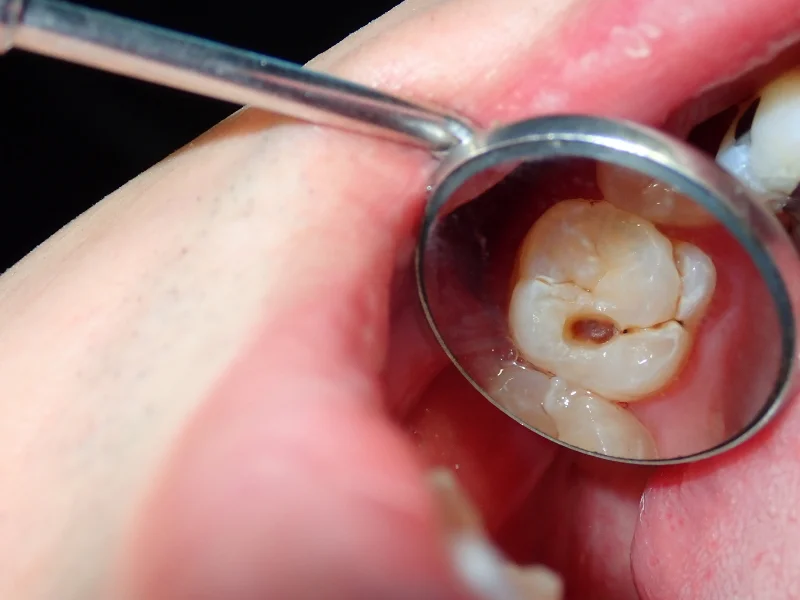
A dental cavity, often referred to as a "hole in the tooth," is a common dental issue that affects people of all ages. These cavities, which are essentially areas of tooth decay, can lead to discomfort, pain, and if left untreated, more severe dental problems. In this comprehensive guide, we'll explore the causes of dental cavities, treatment options, preventive measures, and address frequently asked questions related to this common dental concern.
Understanding Dental Cavities What Causes Dental Cavities? Dental cavities are primarily caused by the following factors:
- Bacterial Action: Harmful bacteria in the mouth feed on the sugars and starches left on teeth after eating. They produce acids that erode tooth enamel, leading to cavities.
- Poor Oral Hygiene: Inadequate brushing and flossing allow plaque, a sticky film of bacteria, to accumulate on teeth. Over time, plaque can harden into tartar, making it even harder to clean teeth effectively.
- Dietary Habits: Frequent consumption of sugary or acidic foods and beverages can contribute to cavity formation.
- Dry Mouth: A lack of saliva can increase the risk of cavities. Saliva helps neutralize acids and protect teeth.
- Tooth Anatomy: Deep crevices or grooves on the chewing surfaces of teeth can trap food particles and bacteria, making these areas more susceptible to cavities.
Recognizing Dental Cavities Identifying a dental cavity in its early stages can prevent more extensive damage. Look out for these common signs:
- Tooth Sensitivity: Sensitivity to hot, cold, or sweet foods and beverages.
- Toothache: Mild to severe pain in the affected tooth.
- Visible Hole or Pit: You may see a hole or depression on the tooth's surface.
- Staining: Discoloration or dark spots on the tooth.
- Pain When Biting: Discomfort when biting or chewing.
If you notice any of these signs, it's essential to consult a dentist in Delhi or a dental clinic in Gurgaon for a thorough examination.
Treatment Options for Dental Cavities The treatment for a dental cavity depends on its severity:
- Dental Fillings: This is the most common treatment for small to moderate cavities. The dentist removes the decayed portion of the tooth and fills the space with materials like composite resin, amalgam, or porcelain.
- Dental Crowns: For larger cavities that have weakened the tooth's structure, a crown may be necessary. Crowns are custom-made caps that cover the entire tooth, providing strength and protection.
- Root Canal Therapy: When a cavity reaches the tooth's pulp (nerve), root canal therapy is required. This involves removing the infected pulp and sealing the tooth.
- Tooth Extraction: In cases of severe damage or infection that cannot be treated, the tooth may need to be extracted.
Preventing Dental Cavities Prevention is key when it comes to dental cavities. Here are some effective strategies:
- Maintain Good Oral Hygiene: Brush your teeth at least twice a day and floss daily to remove plaque and food particles.
- Limit Sugary and Acidic Foods: Reduce your intake of sugary snacks and beverages, and rinse your mouth with water after consuming them.
- Regular Dental Check-Ups: Visit your dentist in Delhi or Gurgaon for regular check-ups and professional cleanings.
- Fluoride: Use fluoride toothpaste and consider fluoride treatments if recommended by your dentist.
- Dental Sealants: These thin, protective coatings can be applied to the chewing surfaces of molars to prevent cavities.
FAQs About Dental Cavities Q1: Can I heal a small cavity at home? No, cavities cannot be healed at home. You should consult a dentist for proper diagnosis and treatment. Q2: Are dental fillings permanent? Fillings have a lifespan but can last for many years with good oral care. Q3: Can cavities come back after treatment? Yes, new cavities can form. Regular dental check-ups are essential to catch and treat them early.
Conclusion Dental cavities are a common dental issue that, if left untreated, can lead to pain and more extensive dental problems. Timely intervention by a dentist in Delhi or a dental clinic in Gurgaon can effectively address this concern and preserve your oral health. Remember that prevention is the best approach, so maintain good oral hygiene practices and seek professional care regularly. For expert dental care and cavity treatment, visit Dentally.in. Our experienced team of dentists in Delhi and Gurgaon is committed to providing you with top-notch dental services for a healthy smile.
-
Other Blogs
- Dental Veneers: Before & After, Benefits, and Common Myths
- The Science Behind Smile Makeovers: What You Should Know
- Are Dental Implants and Metal-Ceramic Crowns Safe During an MRI?
- How Long Do Veneers Really Last?
- Why Do Dental Implants Fail? Causes, Warning Signs & How to Prevent It
- How Do I Know If I Need a Full Mouth Rehabilitation? A Comprehensive Clinical Guide
Make An Appointment
-
Other Blogs
- Managing Dental Emergencies: A Guide to Addressing Toothaches, Broken Teeth, and Injuries
- Exploring Affordable Dental Implants: The Cheapest Countries for Your Dental Health
- Parts of your Teeth
- Tooth Sensitivity: Know Symptoms And Causes
- Dental Implants: Need and Safety
- How Do I Know If I Need a Full Mouth Rehabilitation? A Comprehensive Clinical Guide
- Can Dental Problems Cause Headaches?
- 3 Causes Of Throbbing Tooth Pain You Need To Know
- Invisalign Before Veneers: The Modern Two-Step Smile Makeover for Natural and Long-Lasting Results
- The Many Benefits of Having a Family Dentist
- How to Cure Gingivitis in a Week: Your Guide to Healthy Gums
- Is Cavity Removal Painful? Understanding the Process and What to Expect
- What Are The Best Foods for Gum Health?
- 🦷 How Oral Health Affects Your Well-Being: 6 Reasons Why Good Dental Care Matters
- Is teeth gap filling painful?
- Is it Hard to Talk With All Four Dental Implants?
- Why One Should have Need To Visit The Dentist Twice in a Year?
- What to Do When You Have a Painful Cavity
- Best and Effective Tips for Teeth Whitening Process
- The Role of Genetics in Dental Health: Understanding Your Oral Health Risks
- How expensive are veneers?
- WHY IS CHILDREN’S DENTAL CARE EXTREMELY IMPORTANT, Best Child Dentist in Delhi
- Is India a Good Place for Dental Treatment?
- Ways You are Unknowingly Damaging Your Teeth
- How to Treat Fluorosis Teeth: A Comprehensive Guide 🦷💧
- Is Teeth Cleaning Painful?
- How to stop cavity in teeth
- Top Reasons Why to Select The Best Dentist
- Is Getting Teeth Whitened by a Dentist Worth It? The Definitive Guide to Professional Brightening
- Dental Implants: Aware of 4 Early Complications
- Swift Relief and Expert Care: Dental Emergency Services
- Tooth Decay: Prevention and Treatment
- Why Do You Need To Research Before Going to Dentist?
- Mouth Cancer: Factors, Symptoms, and Prevention
- What Is A Dental Black Triangle? Causes And Treatments
- Misconception About Kid's Dental Health
- How Much Does It Cost for a Cap on Tooth? A Detailed Guide 🦷
- Nurturing Healthy Smiles: The Power of Positive Habits for Dental Wellness
- How much does full mouth rehab cost in India?
- Why Is My Tooth Loose but Still Attached?
- Tooth brushing: A necessary evil
- Dentists warn against using DIY dental care products
- Are Removable Veneers Possible? A Comprehensive Guide
- How To Select The Perfect Fillings For Your Teeth?
- Does Tooth Implant Have Side Effects? Understanding the Risks and Benefits 🦷⚖️
- 🦷 What to Expect When You Travel to India for Dental Work: Full Timeline & Tips
- A Comprehensive Guide to Mini Dental Implants: Benefits, Procedure, and FAQs
- How to Improve Your Dental Hygiene Routine for a Healthier Smile
- Importance Of Root Canal To Maintain Dental Health
- How to Plan your Dental Appointments ?