


The Aging Smile: How Time Changes Your Teeth and How to Protect Them for a Lifetime

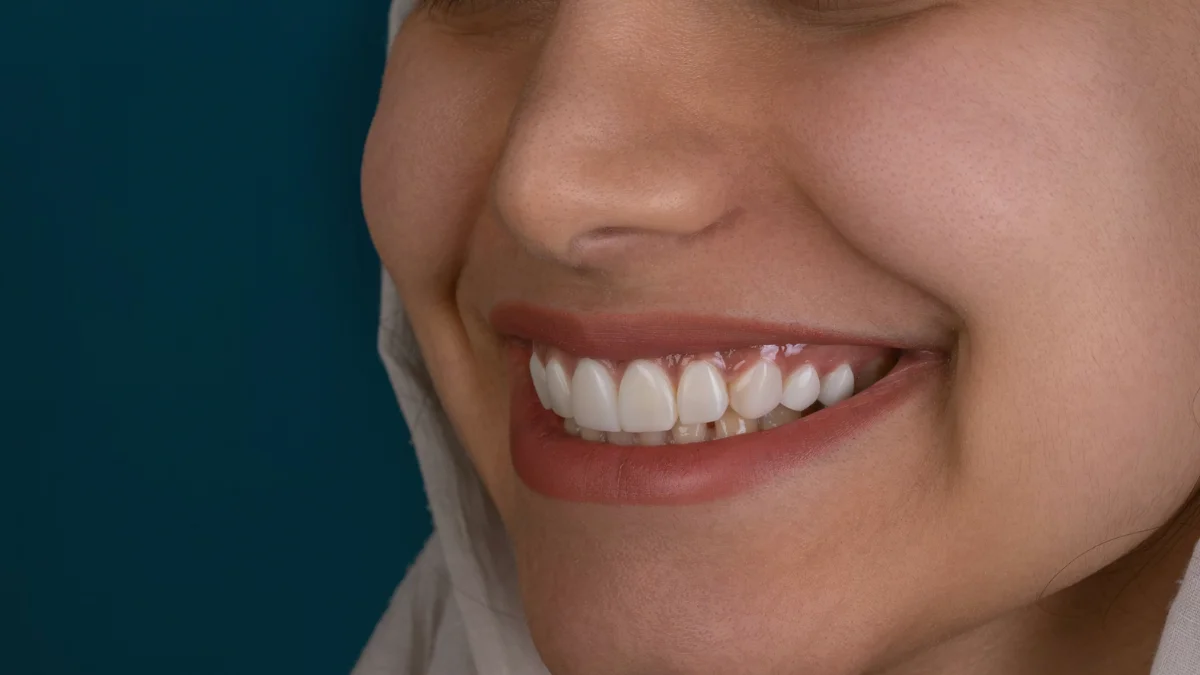
There is a common misconception that has persisted for generations: the idea that losing your teeth is a natural, inevitable part of growing older. We often associate aging with dentures, just as we associate it with gray hair or reading glasses.
Table of Contents
- 1. The Visible Shift: Why Teeth Change Color and Shape
- The Enamel Thinning Effect
- The Changing Shape
- 2. The Gum Recession Reality: "Long in the Tooth"
- 3. The Silent Threat: Xerostomia (Dry Mouth)
- 4. The Nerves Go Quiet: Why You Might Not Feel Pain
- 5. The Systemic Connection: The Mouth-Body Link
- 6. Dexterity and Hygiene Challenges
- 7. The Action Plan: Protecting Your Smile at 60, 70, and Beyond
- A. Upgrade Your Fluoride
- B. Manage Dry Mouth Aggressively
- C. Watch Your Diet
- D. More Frequent Dental Visits
- E. Oral Cancer Screenings
- 8. Modern Solutions for Past Problems
- Conclusion: Aging with Grace and Strength
- Preserve Your Smile at Every Age
But here is the medical truth: Teeth are designed to last a lifetime.
If you look at the skeletal remains of ancestors from centuries ago, you will often find full sets of teeth in elderly individuals. Tooth loss is not a result of "aging" itself; it is a result of disease. However, it is undeniable that the environment of your mouth changes as the decades pass. The challenges your smile faces at 60 are vastly different from the challenges it faced at 20.
Understanding these biological shifts is the secret to longevity. Just as your skin requires different care as it matures—more moisture, more protection—so too do your teeth and gums.
In this comprehensive guide, we will explore the science of the aging mouth. We will uncover why cavities can suddenly reappear in your 50s, why your teeth might look darker, and the specific strategies you need to ensure your smile remains functional, healthy, and beautiful well into your golden years.
1. The Visible Shift: Why Teeth Change Color and Shape
One of the first things people notice as they age is that their smile loses some of its luster. This isn't necessarily due to poor hygiene; it is often a matter of structural biology.
The Enamel Thinning Effect
Enamel, the outer white layer of your tooth, is the hardest substance in the human body. However, it is not invincible. After decades of chewing, grinding, and exposure to acidic foods, the enamel inevitably wears down. This process is called attrition and erosion.
As the enamel thins, it becomes more translucent. The layer underneath, called dentin, is naturally yellow. As the white enamel fades, the yellow dentin shows through more clearly. This is why "whitening" older teeth can be difficult—the yellowing is coming from the inside, not just surface stains.
The Changing Shape
You might notice your front teeth look flatter or shorter than they did in your youth. This is due to years of friction. If you have a habit of clenching or grinding (bruxism), this wear is accelerated, leading to chipped edges and a smile that doesn't show as much tooth when you speak.
2. The Gum Recession Reality: "Long in the Tooth"
The phrase "long in the tooth" was originally used to tell the age of horses by looking at their gum recession. It applies to humans, too.
As we age, our gums naturally recede (pull back) from the teeth. This can be caused by:
-
Decades of aggressive brushing.
-
Periodontal disease (gum disease).
-
Genetics.
The Risk: When gums recede, they expose the root of the tooth. Unlike the crown, the root is not covered by hard enamel. It is covered by cementum, which is much softer and more porous. This makes the exposed roots incredibly sensitive to cold and heat, and significantly more prone to decay (root caries).
3. The Silent Threat: Xerostomia (Dry Mouth)
Perhaps the most significant threat to senior dental health is not age itself, but the medications that often come with it.
Saliva is the unsung hero of oral health. It washes away food particles, neutralizes acids produced by bacteria, and provides minerals (calcium and phosphate) to repair tooth enamel.
However, hundreds of common medications prescribed to older adults list dry mouth (xerostomia) as a side effect. These include medications for:
-
High blood pressure
-
Depression and anxiety
-
Pain relief
-
Allergies (antihistamines)
-
Bladder control
The Domino Effect: When saliva flow decreases, your mouth loses its natural defense system. The pH balance in the mouth drops (becomes more acidic), creating a breeding ground for bacteria. This is why we often see patients who have been cavity-free for 30 years suddenly develop multiple cavities in their 60s or 70s.
4. The Nerves Go Quiet: Why You Might Not Feel Pain
Inside every tooth is a chamber called the pulp, which contains nerves and blood vessels. In a young tooth, this pulp is large and highly sensitive.
As we age, the pulp chamber shrinks, and the nerve supply diminishes. This is a process called calcific metamorphosis. While this might sound like a good thing (less sensitivity!), it is actually dangerous.
The Danger: Because the nerves are less responsive, you might not feel the early warning signs of a cavity or infection. A deep cavity that would cause a young person agony might be completely painless in a senior until the infection spreads to the jawbone or causes an abscess. This makes regular X-rays and check-ups non-negotiable, even if "nothing hurts."
5. The Systemic Connection: The Mouth-Body Link
Geriatric medicine increasingly recognizes that you cannot treat the mouth in isolation. Oral health is a window to your overall systemic health, and inflammation in the mouth can exacerbate conditions elsewhere in the body.
-
Heart Disease: The bacteria involved in gum disease can enter the bloodstream and contribute to the inflammation of blood vessels, increasing the risk of heart disease and stroke.
-
Diabetes: It is a two-way street. Uncontrolled diabetes impairs healing and increases the risk of severe gum disease. Conversely, severe gum disease creates chronic inflammation that makes blood sugar harder to control.
-
Pneumonia: For elderly adults, especially those in nursing homes, breathing in (aspirating) bacteria from a dirty mouth into the lungs can lead to aspiration pneumonia, a serious and life-threatening condition.
6. Dexterity and Hygiene Challenges
Maintaining oral hygiene requires fine motor skills. As we age, conditions like arthritis in the hands and fingers, or vision impairment, can make the simple acts of brushing and flossing difficult.
If you cannot hold a toothbrush firmly or see the floss clearly, plaque is left behind. This plaque hardens into tartar, leading to gum inflammation and decay.
The Fix: This is where adaptive tools become essential. Switching to an electric toothbrush with a thick, easy-to-grip handle does the work for you. Water flossers are an excellent alternative for those who struggle to manipulate string floss.
7. The Action Plan: Protecting Your Smile at 60, 70, and Beyond
Knowing the risks is the first step. mitigating them is the second. Here is the expert-recommended protocol for maintaining a healthy smile as you age.
A. Upgrade Your Fluoride
Since the risk of root decay and dry mouth is higher, your teeth need extra reinforcement.
-
Switch to a high-fluoride toothpaste (ask your dentist for a prescription strength if necessary).
-
Use a fluoride mouth rinse daily (alcohol-free, to avoid drying the mouth further).
B. Manage Dry Mouth Aggressively
If you are on medications, assume you have dry mouth.
-
Hydrate: Sip water constantly throughout the day.
-
Saliva Substitutes: Use over-the-counter sprays or gels that mimic natural saliva.
-
Chew Gum: Chewing sugar-free gum (specifically with Xylitol) stimulates saliva flow mechanically.
C. Watch Your Diet
As taste buds become less sensitive with age, there is often a temptation to add more sugar or salt to food to make it palatable.
-
Limit sugary snacks, especially sticky ones (like dried fruit) that cling to exposed roots.
-
Be wary of hard candies or cough drops, which are often 100% sugar and sit in the mouth for long periods.
D. More Frequent Dental Visits
The standard "twice a year" rule might not be enough anymore. If you have gum recession or dry mouth, seeing your dentist or hygienist every 3 to 4 months can prevent minor issues from becoming tooth-loss events.
E. Oral Cancer Screenings
The risk of oral cancer increases significantly with age. The average age of diagnosis is 62.
-
Ensure your dentist performs a comprehensive oral cancer screening at every visit.
-
Watch for non-healing sores, red or white patches, or difficulty swallowing.
8. Modern Solutions for Past Problems
If you have already lost teeth, you are living in the best possible era for restoration.
-
Implants vs. Dentures: In the past, dentures were the only option. Today, dental implants are the standard of care. They stimulate the jawbone (preventing the bone loss that gives the face a "sunken" appearance) and provide chewing power equal to natural teeth.
-
Minimally Invasive Dentistry: For worn or yellowed teeth, modern veneers or bonding can restore the vertical height of the teeth, effectively acting as a "dental facelift" that reduces the appearance of wrinkles around the mouth.
Conclusion: Aging with Grace and Strength
Age is a number. It is not a diagnosis of dental decline.
While the biology of your mouth changes—enamel thins, gums recede, and nerves quiet down—your ability to adapt can overcome these challenges. With the right tools, a proactive mindset, and a partnership with a skilled dental team, there is no reason you cannot keep your natural teeth for your entire life.
Your smile has told the story of your life for decades—your joys, your laughter, your greetings. It deserves the care and attention to keep telling that story for many years to come.
Preserve Your Smile at Every Age
Whether you are 50 or 80, your dental health is vital to your quality of life. If you are experiencing dry mouth, sensitivity, or are looking to restore what time has worn away, you need a partner who understands the nuances of geriatric dentistry.
We highly recommend booking a comprehensive assessment with Dent Ally.
Recognized as the best dental clinic in Delhi and Gurgaon, Dent Ally’s team of specialists focuses on preventive and restorative care tailored to mature patients. From gentle cleanings to world-class implants, they provide the expertise needed to ensure your smile remains timeless.
-
Other Blogs
- Dental Veneers: Before & After, Benefits, and Common Myths
- The Science Behind Smile Makeovers: What You Should Know
- Are Dental Implants and Metal-Ceramic Crowns Safe During an MRI?
- How Long Do Veneers Really Last?
- Why Do Dental Implants Fail? Causes, Warning Signs & How to Prevent It
- How Do I Know If I Need a Full Mouth Rehabilitation? A Comprehensive Clinical Guide
Make an Appointment
-
Other Blogs
- WHY IS CHILDREN’S DENTAL CARE EXTREMELY IMPORTANT, Best Child Dentist in Delhi
- Why Dental Implants Are the Best Long-Term Solution for Missing Teeth in India (2026 Complete Guide)
- 🦷 Guide: Planning Your Dental Trip from Australia to India – ✅ Complete Checklist
- What Helps Dental Implants Heal Faster?
- Understanding Regional Odontodysplasia: Causes, Symptoms, and Treatment
- How expensive are veneers?
- How To Keep Up Your Dental Health During the Outbreak Of COVID-19?
- EXPLORE DENTAL TOURISM IN INDIA WITH DENT ALLY, Best Dental Clinic in India
- Why Do We Need Dental Implants & What They Do?
- Dentists warn against using DIY dental care products
- Keep Your Smiles Bright; Consider Dental Implantations
- How Ignorance Devastated A Woman’s Married Life
- Gingivitis – Cause, Symptoms, And Treatment
- The Vital Role of Oral Hygiene in Daily Life: A Path to Healthier Living
- Are Removable Veneers Possible? A Comprehensive Guide
- What Is The Importance Of The Dental Clinic In India?
- Can You Fully Recover From Gum Disease? A Comprehensive Guide
- Dental Veneers: Before & After, Benefits, and Common Myths
- Dental Implant – Objectives, Factors, Reasons To Choose!
- 😬🦷 Front Tooth Broken in Half? Here’s How Top Dentists in India Can Fix It
- How Much Does Root Canal Treatment Cost in India?
- 😁 What is the Cost of Invisalign in India?
- How Long Does Bleeding Last After a Tooth Extraction? A Guide to a Smooth Recovery
- Dealing with Teeth Pain: Causes, Home Remedies, and When to Seek a Dentist
- How to Get Rid of Jaw Pain on One Side: Causes, Treatments, and Tips 🦷
- Do You Have Acid Erosion on Your Teeth? A Comprehensive Guide
- Preview Your Perfect Smile Before Treatment Even Starts
- Night Guards To Protect Gums And Teeth
- Smiling without a tooth? – It’s cute, but only on kids.
- Ways You are Unknowingly Damaging Your Teeth
- What to look for before consulting a dentist?
- Titanium Implant Side Effects and How to Minimize Your Risk
- Why One Should have Need To Visit The Dentist Twice in a Year?
- What Happens If The Cavity Is Not Treated On Time?
- How to Neutralize Acid in Your Mouth: A Guide to Restoring pH Balance for Oral Health
- When do we need Dental Implant Surgery?
- 5 Ways To Keep Your Dental Implant Clean And Hygienic
- Effective Practices To Keep Your Teeth Healthy
- How long does a dental implant take to finish?
- Four Reasons You Need Regular Dental Checkup
- Best and Effective Tips for Teeth Whitening Process
- Restoring Dental Health: Comprehensive Full Mouth Reconstruction
- How To Prepare Yourself For Dental Implant Surgery Mentally?
- Dental Erosion: What You Need To Know
- The Longevity of Dental Implants: How Long Do They Last?
- The Connection Between Oral Health and Overall Well-being
- Transform Your Gummy Smile: A Complete Guide to Causes & Modern Treatments
- Dental implant procedure work The Complete 2026 Procedure Guide & Benefits
- How Smile Makeover Leaves A Positive Impact On Your Life?
- The Impact of Sugar on Teeth: How Sweet Treats Can Harm Oral Health