


Fixing Protruding Front Teeth: A Complete Guide to Your Treatment Options
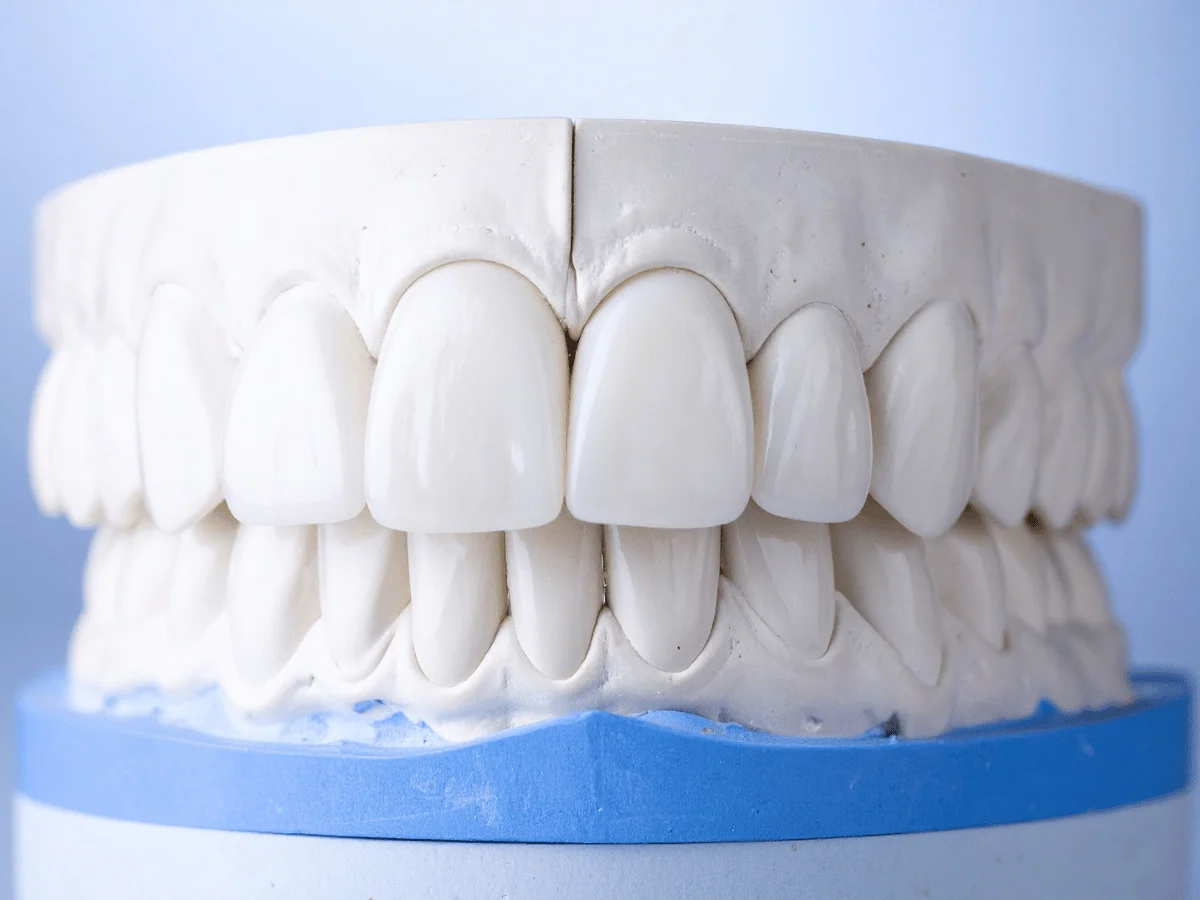
A smile is one of our most powerful forms of expression, but for many, feeling self-conscious about their teeth can hold them back from smiling freely. One of the most common reasons for this is the protrusion of the upper front teeth, a condition often referred to as "buck teeth." This concern is about more than just appearance. Protruding teeth can affect your confidence, how you speak, how you chew, and can even put you at a higher risk for dental injury. If you find yourself hiding your smile in photos or covering your mouth when you laugh, it's important to know that you are not alone.
Table of Contents
The fantastic news is that upper front teeth protrusion, clinically known as an increased overjet, is one of the most common and successfully treatable conditions in modern dentistry and orthodontics. A beautiful, balanced, and functional smile is absolutely achievable, regardless of your age. This comprehensive guide will explore the underlying causes of protruding teeth and provide a detailed overview of the advanced treatment options available at our Delhi clinic. From state-of-the-art braces and clear aligners to surgical solutions, we will help you understand the path to the confident smile you deserve.
What Causes Protruding Upper Front Teeth?
Before we can discuss the "how" of treatment, it's essential to understand the "why." The correct treatment plan is entirely dependent on the root cause of the protrusion, which generally falls into one of three categories. 1. Skeletal Issues (The Jaw's Position) In many cases, the problem isn't just the teeth—it's the position of the jawbones themselves. A skeletal discrepancy is a common cause of a large overjet. This can include:
- An Overdeveloped Maxilla: The upper jaw has grown too far forward.
- An Underdeveloped Mandible: The lower jaw is too small or is set too far back (this is the more common skeletal cause).
When the foundational bone structure is misaligned, the teeth naturally follow suit, resulting in the upper teeth appearing far in front of the lower teeth. 2. Dental Issues (The Teeth's Position) Sometimes, the jawbones are perfectly aligned, but the teeth themselves are the problem. This is known as a dental malocclusion. The upper front teeth may have simply erupted at an incorrect, forward-leaning angle, or crowding in the upper arch may have pushed the front teeth forward. 3. Habit-Related Causes (Common in Childhood) Certain prolonged habits during childhood, when the jaw and facial bones are still developing, can physically alter the growth pattern and push the teeth out of alignment. These habits exert a slow, constant pressure that can lead to significant protrusion. They include:
- Prolonged Thumb-Sucking or Pacifier Use: Habits that continue past the age of 3-4 can push the upper front teeth forward and may even affect the shape of the palate.
- Tongue Thrusting: This is a habit where the tongue pushes forward against the front teeth during swallowing, speaking, or at rest. This constant pressure can create an open bite and a significant overjet.
A thorough diagnosis by an orthodontic specialist is the crucial first step to determine if your issue is skeletal, dental, or a combination of factors.
Beyond Aesthetics: Why Treating Protrusion is Important for Your Health
While the desire for a more attractive smile is a primary motivator, there are compelling health and functional reasons to correct protruding teeth.
- Increased Risk of Injury: This is the most significant health concern. Upper front teeth that stick out are far more vulnerable to being chipped, fractured, or even knocked out completely during a fall, a sports accident, or other trauma.
- Difficulty with Chewing and Biting: A proper bite allows you to incise and chew food efficiently. A severe overjet can make it difficult to bite into certain foods and can lead to inefficient chewing, which can sometimes impact digestion.
- Uneven Tooth Wear: A misaligned bite means that the forces of chewing are not distributed evenly across all of your teeth. This can cause certain teeth to wear down prematurely.
- Speech Difficulties: In some cases, the position of the teeth can interfere with proper tongue placement, contributing to a lisp or other speech impediments.
- Jaw Pain (TMD): A significant malocclusion forces the jaw joints (TMJ) and surrounding muscles into a strained, unnatural position, which can lead to chronic headaches, jaw pain, and other symptoms of Temporomandibular Disorder (TMD).
The Spectrum of Solutions: Your Treatment Options
Modern orthodontics offers a range of highly effective solutions to correct protruding teeth. The right treatment for you depends on the underlying cause and the severity of your case.
1. Orthodontic Treatment (The Primary Solution)
For the vast majority of cases, especially those caused by dental or mild skeletal issues, orthodontics is the definitive treatment.
- Traditional Metal or Ceramic Braces: Braces are the most powerful and versatile tool in an orthodontist's arsenal. They consist of brackets attached to the teeth and an archwire that runs through them. By making precise adjustments to the wire, the orthodontist applies gentle, continuous pressure to guide the teeth into their ideal positions. Braces are exceptionally effective at correcting even severe protrusions and allow for the highest degree of control over the final outcome. In some cases, to create the necessary space to pull the front teeth back, the extraction of two upper premolar teeth may be required.
- Invisalign® and Clear Aligners: This is a very popular and discreet alternative to braces. The treatment involves a series of custom-made, clear plastic trays that fit snugly over your teeth. Each tray is worn for 1-2 weeks and gradually shifts your teeth towards the final position. Invisalign is an excellent option for correcting mild to moderate cases of dental protrusion. For more complex cases involving significant skeletal issues or the need for extractions, traditional braces are often the more effective choice.
- Functional Appliances (For Growing Patients): For children and adolescents whose jaws are still growing, a skeletal issue can be corrected without surgery. Functional appliances, like the Herbst or Twin Block appliance, are designed to encourage the forward growth of the lower jaw, helping to correct the skeletal discrepancy and dramatically improve the patient's profile. This is why an early orthodontic evaluation (around age 7) is so important.
2. Orthognathic Surgery (Corrective Jaw Surgery)
For adults whose jaws have stopped growing and who have a severe skeletal discrepancy, orthodontics alone cannot fix the problem. The issue is the bone, so the bone must be moved.
- The Process: This is a highly specialized, coordinated approach. The patient typically undergoes a period of pre-surgical orthodontics (braces) to align the teeth within each jaw. Then, an oral and maxillofacial surgeon performs the surgery in a hospital setting to reposition the jawbone itself (e.g., bringing the lower jaw forward). This is followed by a final period of post-surgical orthodontics to fine-tune the bite into its perfect, final position.
- The Result: For severe skeletal cases, orthognathic surgery is a life-changing procedure that provides a dramatic improvement in both function and facial harmony that would be impossible to achieve with orthodontics alone.
3. Cosmetic Solutions (For Minor Cases Only)
For very mild cases where the protrusion is minimal and the bite is otherwise healthy, cosmetic treatments can sometimes be used as a "camouflage."
- Dental Veneers or Bonding: A dentist can place thin porcelain veneers or apply tooth-colored bonding material to the front teeth. By slightly altering the shape and perceived angle of the teeth, they can create the illusion of a straighter smile.
- The Critical Caveat: It is crucial to understand that this is a purely cosmetic fix. It does not correct the underlying bite or jaw position. This approach is only suitable for the most minor of cases and should only be considered after a thorough orthodontic evaluation has ruled out any significant functional issues.
The Importance of an Expert Orthodontic Diagnosis
As you can see, the path to correcting protruding teeth is highly personalized. Choosing the right treatment is impossible without first getting an accurate diagnosis of the root cause. A consultation with an orthodontic specialist is the essential first step. This evaluation is far more than just a quick look at your teeth. It involves:
- A thorough clinical examination of your teeth, bite, and jaw function.
- A series of diagnostic photographs of your face and teeth.
- Specialized dental X-rays, including a cephalometric X-ray, which provides a detailed view of your facial profile and the relationship between your jawbones.
- Digital scans or impressions of your teeth to create a 3D model.
Choosing the right specialist is paramount. At our dental clinic in Delhi, our team of orthodontists has the expertise and advanced diagnostic tools to accurately identify the cause of your protrusion and create a personalized treatment plan that will deliver the best possible result.
Top Searched FAQs About Protruding Teeth
1. Can I fix my protruding teeth without braces?
For most cases, braces or clear aligners are necessary to physically move the teeth and correct the bite. If the problem is severely skeletal, jaw surgery is the primary treatment. Purely cosmetic options like veneers are only for very minor cases and do not fix the underlying issue.
2. How long does treatment take with braces?
The duration of orthodontic treatment for protruding teeth typically ranges from 18 to 30 months, depending on the severity of the case and whether extractions are required.
3. At what age should my child be evaluated for protruding teeth?
It is recommended that a child has their first orthodontic check-up around age 7. At this age, the orthodontist can identify developing skeletal or habit-related issues and intervene with early treatment (like a functional appliance) to guide jaw growth and often prevent the need for more complex treatment later.
4. Will my teeth move back after the treatment is finished?
Your teeth will have a natural tendency to shift back to their original positions. To prevent this, the lifelong wear of retainers after your braces or aligners are finished is absolutely essential to maintain your beautiful new smile.
Conclusion: A Future of Confidence Awaits
-
Other Blogs
- Dental Veneers: Before & After, Benefits, and Common Myths
- The Science Behind Smile Makeovers: What You Should Know
- Are Dental Implants and Metal-Ceramic Crowns Safe During an MRI?
- How Long Do Veneers Really Last?
- Why Do Dental Implants Fail? Causes, Warning Signs & How to Prevent It
- How Do I Know If I Need a Full Mouth Rehabilitation? A Comprehensive Clinical Guide
Make an Appointment
-
Other Blogs
- Dealing with Teeth Pain: Causes, Home Remedies, and When to Seek a Dentist
- Will Braces Change My Face Shape? The Truth About Orthodontics and Facial Symmetry
- Some of the Important Benefits of Wearing Braces
- Dental implant procedure work The Complete 2026 Procedure Guide & Benefits
- Sterilization & Infection Control Protocol
- Dental Implant Success Rates: What You Need to Know
- The Impact of Bruxism (Teeth Grinding) on Your Dental Health
- What is the most natural tooth replacement?
- How to Improve Your Dental Hygiene Routine for a Healthier Smile
- Mastering Oral Hygiene: A Comprehensive Guide to Healthy Teeth and Smiles
- Get The More Information On Dental Implants
- Advancements in Dental X-Rays: Safeguarding Dental Health in India with Improved Technology
- Seniors' Dental Health: Challenges and Solutions
- Advanced Bioclear Treatment in Delhi NCR – A Minimally Invasive Smile Makeover
- Dental Implants Or Bridgework – Which One Is Better?
- Affordable Dental Care Options in Delhi: A Path to Healthy Smiles Within Reach
- How Stress Can Impact Your Teeth and Gums
- Home Remedies for The Moments You Are Unable to Visit a Dentist
- Seeing Black Lines on Your Teeth? It Might Not Be a Cavity. A Dentist Explains.
- What Is It Really Like to Eat With Full Dental Implants? Pros, Cons & Recover
- How to Make Yellow Teeth White: A Comprehensive Guide
- Can Dental Problems Cause Headaches?
- 🇦🇺 Dent Ally Reviews: What Australian Patients Say About Dental Implants in India
- Abscess in Gums: How to Treat It Effectively
- Is It Safe to Travel to India for Dental Work?
- How To Select The Perfect Fillings For Your Teeth?
- Bridal Radiance: Mastering Your Smile Makeover with India's Top Cosmetic Dentistry Treatments
- Best Countries for Dental Implants in 2026: A Comprehensive Guide
- Unlocking the Secrets to a Radiant Smile: Lifestyle Choices for Optimal Dental Health
- The Role of Bone Grafting in Dental Implantation
- Managing Dental Emergencies: A Guide to Addressing Toothaches, Broken Teeth, and Injuries
- Tips For Keeping Your Kid's Oral Health Protected
- Dental Implants: Aware of 4 Early Complications
- How to Get Rid of Jaw Pain on One Side: Causes, Treatments, and Tips 🦷
- Do I Need Jaw Implants? A Complete Medical and Dental Guide
- How to Restore Tooth Enamel: A Complete Guide to Protecting Your Smile 🦷✨
- Dental Implant Longevity: Can They Last 30 Years? | Dentally
- Most Common Dental Treatments Performed By A Professional Dentist
- Can Oral Health Impact Mental Health? The Surprising Connection
- Heard about Holistic dentists? Holistic dentistry?
- Fixing Protruding Front Teeth: A Complete Guide to Your Treatment Options
- Gingivitis – Cause, Symptoms, And Treatment
- Want healthy teeth and gum? Include these Foods in your diet
- Understanding the Impact of Diet on Oral Health
- Dental Erosion: What You Need To Know
- Dental Implants for Diabetic Patients in India: A Guide to Safe & Successful Treatment
- Why You Need Dental Implants: Cost, Process & What to Expect
- New Age Root Canal Treatment At Dent Ally
- Do You Have Acid Erosion on Your Teeth? A Comprehensive Guide
- Bad Breath (Halitosis): Causes and Ways to Maintain Fresh Breath