


Single-Tooth Dental Implants: Replacing Individual Missing Teeth
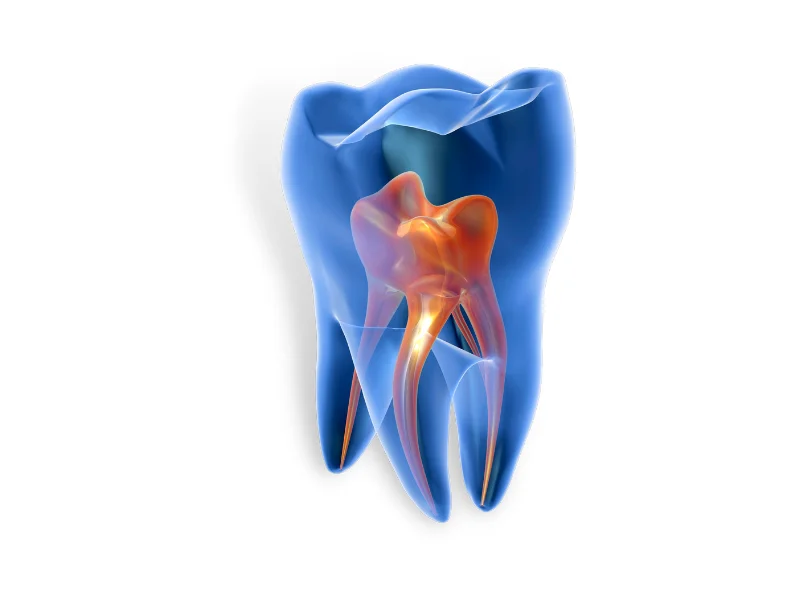
Missing teeth can have a significant impact on an individual's oral health, aesthetics, and self-confidence. In the past, traditional dental solutions, such as bridges or dentures, were commonly used to replace individual missing teeth. However, with advancements in dental technology, single-tooth dental implants have emerged as a highly effective and long-lasting solution. This article aims to explore the concept of single-tooth dental implants, their benefits, and their role in providing the best dental implants in India. If you are considering replacing a single missing tooth, read on to learn more about this innovative dental procedure.
What are Single-Tooth Dental Implants?
Single-tooth dental implants are a restorative dental solution that involves the replacement of a single missing tooth with an artificial tooth root (implant) and a custom-designed dental crown. The implant is made of biocompatible titanium, which fuses with the jawbone through a process called osseointegration. This integration creates a stable foundation for the dental crown, mimicking the natural tooth structure both in function and appearance.The Procedure:
The process of getting a single-tooth dental implant typically involves the following steps:
- Initial Consultation: The first step is to schedule a consultation with a qualified dentist experienced in dental implantation. During this visit, the dentist will evaluate your oral health, discuss your treatment goals, and determine if you are a suitable candidate for a dental implant.
- Dental Implant Placement: Once the dentist confirms your eligibility for a dental implant, a surgical procedure is performed to place the implant into the jawbone. This is done under local anesthesia to ensure a comfortable experience. The implant is then given time to integrate with the bone, which usually takes a few months.
- Implant Restoration: After the implant has fully integrated with the jawbone, an abutment is attached to the implant. The abutment acts as a connector between the implant and the dental crown. Impressions of your teeth are taken to fabricate a custom-made dental crown that matches the color, size, and shape of your natural teeth. The dental crown is then securely attached to the abutment, completing the restoration process.
Benefits of Single-Tooth Dental Implants:
- Natural Look and Function: Single-tooth dental implants provide the most natural-looking and functioning solution for replacing a missing tooth. The dental crown is custom-made to match the color and shape of your existing teeth, ensuring a seamless and aesthetically pleasing result. The implant functions like a natural tooth, allowing you to eat, speak, and smile with confidence.
- Preservation of Jawbone and Facial Structure: When a tooth is lost, the underlying jawbone can deteriorate over time. Dental implants stimulate bone growth and prevent bone loss, preserving the natural structure of the jaw and facial features. This helps maintain facial aesthetics and prevents the sunken appearance often associated with missing teeth.
- Longevity and Durability: Single-tooth dental implants offer excellent longevity and durability. With proper oral hygiene and regular dental care, dental implants can last a lifetime. This makes them a cost-effective long-term solution compared to other dental restoration options that may require frequent replacements.
- Improved Oral Health: Dental implants do not rely on adjacent teeth for support, as in the case of dental bridges. This means that neighboring teeth do not need to be modified or compromised. Additionally, dental implants are easy to clean and maintain, promoting better oral hygiene and reducing the risk of gum disease and decay.
Choosing the Best Dental Implants in India:
To ensure the best dental implant treatment, it is essential to choose a highly skilled and experienced dentist. Consider the following factors when selecting a dentist for your single-tooth dental implant procedure:- Qualifications and Expertise: Look for a dentist who has specific training and experience in dental implantology. Check their qualifications and certifications to ensure they have the necessary expertise.
- Reputation and Patient Reviews: Read reviews and testimonials from previous patients to gauge the dentist's reputation and the quality of their work. Positive patient experiences and success stories are indicative of a reliable dentist.
- Advanced Technology and Techniques: Inquire about the dental practice's use of advanced technology and techniques for dental implantation. The incorporation of modern equipment and innovative procedures can enhance the precision and efficiency of the treatment.
- Comprehensive Treatment Planning: A skilled dentist will provide a personalized treatment plan tailored to your unique dental needs. They will conduct a thorough examination, consider your oral health history, and discuss your expectations to create a comprehensive treatment plan.
Frequently Asked Questions (FAQs):
Q1: Are single-tooth dental implants suitable for everyone?
A1: While dental implants have a high success rate, not everyone is an ideal candidate for the procedure. Factors such as overall oral health, bone density, and certain medical conditions may affect the suitability of dental implants. A consultation with a qualified dentist is essential to determine if you are a candidate for single-tooth dental implants.Q2: How long does the entire process of getting a single-tooth dental implant take?
A2: The duration of the treatment varies depending on the individual case. From the initial consultation to the final placement of the dental crown, it may take several months. The healing period after implant placement allows for osseointegration, which is crucial for the long-term success of the implant.Q3: How should I care for my single-tooth dental implant?
A3: Dental implants require regular oral hygiene practices, similar to natural teeth. Brushing twice a day, flossing daily, and scheduling routine dental check-ups are essential for maintaining the health and longevity of your dental implant.dConclusion:
Single-tooth dental implants provide an effective and long-lasting solution for replacing individual missing teeth. With their natural look, functional benefits, and ability to preserve oral health, dental implants are considered the best option for tooth restoration. To ensure optimal outcomes, it is crucial to choose the best dental implants in India by selecting a skilled and experienced dentist. By considering the factors mentioned above and consulting with a qualified professional, you can restore your smile and regain your confidence with a single-tooth dental implant.-
Other Blogs
- Dental Veneers: Before & After, Benefits, and Common Myths
- The Science Behind Smile Makeovers: What You Should Know
- Are Dental Implants and Metal-Ceramic Crowns Safe During an MRI?
- How Long Do Veneers Really Last?
- Why Do Dental Implants Fail? Causes, Warning Signs & How to Prevent It
- How Do I Know If I Need a Full Mouth Rehabilitation? A Comprehensive Clinical Guide
Make An Appointment
-
Other Blogs
- What is the most affordable way to replace missing teeth?
- Sterilization & Infection Control Protocol
- Navigating Invisalign: Addressing Pain and Discomfort with Comfort and Confidence
- The Aging Smile: How Time Changes Your Teeth and How to Protect Them for a Lifetime
- Endosteal Implants – Should Be Perfect Choice?
- Why We Use Straumann Implants: The Gold Standard in Restorative Dentistry
- The Future of Restorative Dentistry: How 3D CBCT Imaging and Computer-Guided Surgery Make Dental Implants Safer
- How To Select The Perfect Fillings For Your Teeth?
- 😁 Veneers in India vs. Australia: Cost, Quality & Results Compared
- Dental Braces – Know Their Significance And Risks
- Fall Superfoods for Your Teeth
- Is Teeth Whitening Safe?
- What is the Cost of Veneers for Two Front Teeth in India?
- Selenomonas sputigena: A New Player in Tooth Decay
- How Smile Makeover Leaves A Positive Impact On Your Life?
- Restoring Dental Health: Comprehensive Full Mouth Reconstruction
- Understanding Regional Odontodysplasia: Causes, Symptoms, and Treatment
- Is Popcorn Bad For Your Teeth? The Hidden Dangers of a Movie Snack
- Are Dental Implants and Metal-Ceramic Crowns Safe During an MRI?
- Is Teeth Cleaning Painful?
- Remedies for Bad Breath: Causes and Solutions
- Managing Dental Emergencies: A Guide to Addressing Toothaches, Broken Teeth, and Injuries
- Want healthy teeth and gum? Include these Foods in your diet
- ✈️ Top 5 Reasons Canadians, Australians & Americans Fly to India for Dental Implants
- Reasons Why You Shouldn’t Be Nervous About Dental Implant Surgery
- Advice on How to Smile Your Best
- How Remote AI Monitoring is Reducing Dental Chair Time for Invisalign Patients
- How expensive are veneers?
- Restoring Dental Health: Comprehensive Dental Restorations
- Things To Know About Dental Implant Surgery
- Understanding Different Types of Tooth Stains and Effective Removal Methods
- What Disease Destroys Teeth: Understanding the Causes and Treatments
- The Significance Of Kid's Preventative Dentistry
- The New Era of Dentistry: AI, 3D Imaging & Digitally Guided Dental Implants
- What is the most natural tooth replacement?
- Dental implant procedure work The Complete 2026 Procedure Guide & Benefits
- 😁🦷 Clear Aligners for Teeth: The Modern Way to Straighten Your Smile in India
- The Impact of Drinking Beverages from Cans on Tooth Decay: Risks and Prevention
- Is Veneer Good for Teeth?
- Single-Tooth Dental Implants: Replacing Individual Missing Teeth
- How Much Does It Cost for a Cap on Tooth? A Detailed Guide 🦷
- Whitening Techniques: Over-the-Counter versus In-Office
- Is Getting Teeth Whitened by a Dentist Worth It? The Definitive Guide to Professional Brightening
- Unveiling the Dental-Brain Connection: How Poor Dental Health Can Impact Cognitive Function
- Why are my teeth yellow when i brush them everyday?
- Best and Effective Tips for Teeth Whitening Process
- SHOULD YOU GO TO THE DENTISTDURING THE CORONAVIRUS PANDEMIC?
- How long does a dental implant take to finish?
- Digital Dentistry: Revolutionizing Oral Care with the Best Dentist in India
- Plaque vs. Tartar: What’s the Difference and Why Does It Matter for Your Health?