


Does Seltzer Damage Your Teeth? The Truth About Carbonated Water and Enamel
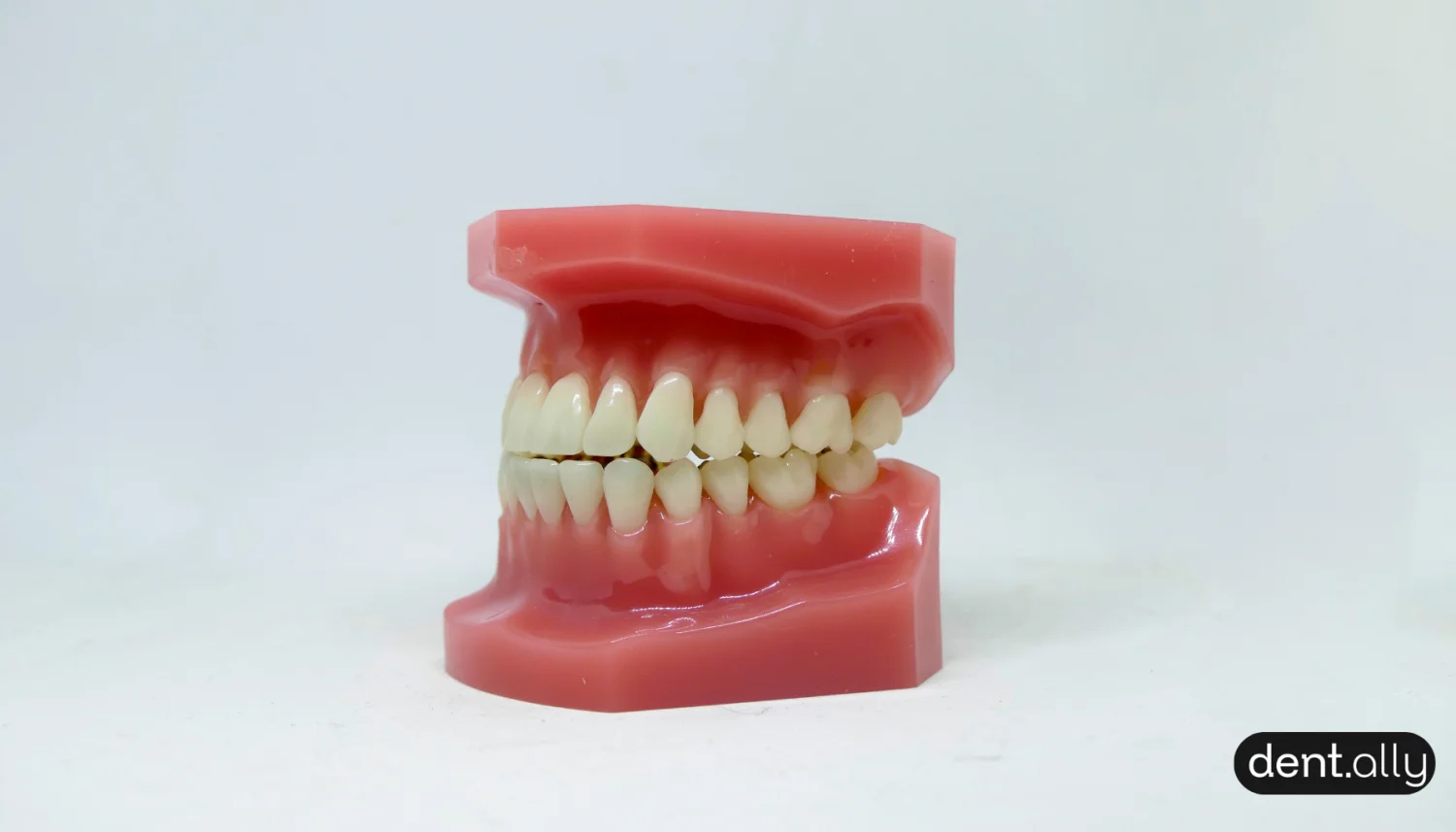
Does seltzer damage your teeth? Yes, seltzer can damage your teeth if consumed excessively throughout the day because the carbonation process creates carbonic acid, which slowly erodes your natural tooth enamel. However, plain, unflavored seltzer is still a significantly safer and healthier choice than sugary sodas or sports drinks. You can easily minimize the risk of acid erosion by drinking seltzer alongside your meals rather than sipping it continuously all day.
As we look at preventive dental health in 2026, understanding the effects of dietary acids is crucial. Severe enamel erosion can ultimately lead to massive tooth decay and tooth loss, requiring advanced restorative procedures. Let's explore how carbonated water affects your mouth, what happens when erosion goes too far, and how it impacts both natural teeth and dental implants.
1. How Carbonated Water Affects Tooth Enamel
The fizz in seltzer comes from carbon dioxide gas dissolved in water. This chemical reaction produces a weak acid called carbonic acid. While it is not nearly as corrosive as battery acid or even the citric acid found in lemon juice, it lowers the pH level in your mouth.
When the pH in your mouth drops below 5.5, your tooth enamel begins to demineralize (soften). If you are constantly sipping seltzer, your saliva never gets the chance to re-mineralize and harden the enamel. Over time, this leads to:
-
Increased Sensitivity: Teeth become highly sensitive to hot and cold temperatures.
-
Discoloration: As the white enamel wears away, the yellow dentin underneath becomes visible.
-
Higher Cavity Risk: Weakened enamel allows bacteria to easily penetrate the tooth, causing rapid decay.
2. The Long-Term Risks: When Erosion Leads to Tooth Loss
If dietary acid erosion is left unchecked, it can destroy the structural integrity of your teeth. In severe cases, the teeth may fracture or decay beyond the point of repair with standard fillings or crowns, necessitating an extraction.
Once a natural tooth is lost, modern restorative dentistry relies on implants to rebuild the smile. As defined on Wikipedia's dental implant page, a dental implant is a surgical component that interfaces with the bone of the jaw to support a dental prosthesis. The UIC College of Dentistry highly recommends them as the gold standard for tooth replacement following severe decay.
If you find yourself needing an extraction due to long-term acid damage, understanding the cost of dental implants in Delhi, India and exploring options like titanium dental implants in Delhi is the next logical step in your restorative journey.
3. Can Seltzer Damage Dental Implants?
Does sparkling water damage dental implants? No, the carbonic acid in seltzer cannot erode or dissolve titanium implant posts or zirconia (ceramic) crowns. Unlike natural tooth enamel, the materials used in modern dental implants are highly resistant to dietary acids.
However, this does not mean you can drink sugary or highly acidic beverages without consequence. The soft gum tissue surrounding the implant is still highly vulnerable to inflammation. The American Academy of Periodontology warns that sugary, flavored seltzers can promote bacterial growth, leading to peri-implantitis (gum disease around the implant).
To ensure the longevity of your restoration, you must be aware of 4 early stage complications and thoroughly research dental implant complications, understanding risks, and navigating safe practices in India.
4. Comparing Beverages: What is Safest for Your Smile?
To help you make smarter daily hydration choices, here is a breakdown of how common beverages impact your oral health:
Note: Clinical data from the National Center for Biotechnology Information (NCBI) emphasizes that the frequency of consumption is often more damaging than the acidity level itself.
5. How to Protect Your Teeth While Drinking Seltzer
You do not have to give up your favorite sparkling water. By following a few simple preventative steps, you can enjoy seltzer without risking your natural teeth or having to search for Dental Implant Problems Dent Ally down the road.
-
Drink it with Meals: The extra saliva produced while chewing food helps neutralize the carbonic acid.
-
Use a Straw: Drinking through a reusable straw bypasses the front teeth entirely, reducing acid exposure.
-
Rinse with Plain Water: After finishing a seltzer, swish plain tap water in your mouth to quickly balance the pH levels.
-
Do Not Brush Immediately: Brushing right after drinking acid can scrub away softened enamel. Wait at least 30 minutes before brushing.
If you are experiencing severe sensitivity or suspect your enamel is compromised, leading health authorities like the Cleveland Clinic and the Mayo Clinic suggest consulting a specialist immediately to discuss protective treatments or restorations. You can also review comprehensive guides on Healthline and Medical News Today to understand when tooth damage becomes irreversible.
Frequently Asked Questions
Is sparkling water as bad as soda for your teeth?
No. While sparkling water is slightly acidic due to carbonation, it lacks the massive amounts of sugar and highly corrosive phosphoric acid found in regular sodas. Plain sparkling water is significantly safer for your teeth than soda.
Can acid erosion cause me to need dental implants?
Yes, in extreme cases. If dietary acids continuously erode your enamel over many years, it can lead to massive cavities, root infections, and structural tooth collapse. If the tooth cannot be saved with a root canal and crown, it must be extracted and replaced with a dental implant.
Does flavored seltzer cause more damage?
Yes. Seltzers flavored with citrus (like lemon, lime, or grapefruit) contain added citric acid on top of the naturally occurring carbonic acid. This drops the pH level further, making it much more erosive to your tooth enamel than plain seltzer.
-
Other Blogs
- Dental Veneers: Before & After, Benefits, and Common Myths
- The Science Behind Smile Makeovers: What You Should Know
- Are Dental Implants and Metal-Ceramic Crowns Safe During an MRI?
- How Long Do Veneers Really Last?
- Why Do Dental Implants Fail? Causes, Warning Signs & How to Prevent It
- How Do I Know If I Need a Full Mouth Rehabilitation? A Comprehensive Clinical Guide
Make An Appointment
-
Other Blogs
- The Importance of Regular Dental Check-ups: A Key to Oral Health
- Fall Superfoods for Your Teeth
- The Longevity of Dental Implants: How Long Do They Last?
- WHY IS CHILDREN’S DENTAL CARE EXTREMELY IMPORTANT, Best Child Dentist in Delhi
- Do’s and Don’ts Post A TOOTH EXTRACTION, Best tooth extraction in Delhi
- What Is the Most Serious Dental Disease? Uncovering the Silent Threats to Your Health
- Four Reasons You Need Regular Dental Checkup
- Exploring Preventive Dentistry: Understanding the Benefits of Dental Sealants and Fluoride Treatments
- Summertime Dental Health Advice
- Misconception About Kid's Dental Health
- The Oral Factor in Pneumonia: Exploring the Denture-Pneumonia Link and Oral Health’s Impact on Overall Well-being
- New Age Root Canal Treatment At Dent Ally
- Seniors' Dental Health: Challenges and Solutions
- Diastema – 5 Ways To An Effective Treatment
- Can I Fly to India Just for Dental Implants?
- Tooth Sensitivity: Know Symptoms And Causes
- Is Teeth Cleaning Painful?
- Dental Health During Pregnancy: A Comprehensive Guide
- Get The More Information On Dental Implants
- The Importance of Calcium for Strong and Healthy Teeth
- Understanding Tooth Loss: Causes, Impact, and Modern Solutions
- What is the Cost of Veneers for Two Front Teeth in India?
- What Happens If Half of Your Tooth Breaks Off?
- What differentiates cosmetic dentistry from normal dentistry?
- The Science Behind Smile Makeovers: What You Should Know
- The Benefits of Dental Implants
- How To Select The Perfect Fillings For Your Teeth?
- What are a few Alternative options to Dental Implants?
- Unveiling the Dental-Brain Connection: How Poor Dental Health Can Impact Cognitive Function
- Everything You Need To Know About Dental Implant
- Where Should I Get My Full Mouth Dental Implants Done in India?
- Most Common Dental Treatments Performed By A Professional Dentist
- Some Of The Impotant FAQs On Dental Implants
- 🥦🦷 Fluoride-Rich Foods for Stronger Teeth: A Dentist-Recommended Guide in India
- The New Era of Dentistry: AI, 3D Imaging & Digitally Guided Dental Implants
- Can I Eat Maggi After Tooth Extraction?
- Make Your Oral Health Better By Brushing Up On Dental Care Basics
- Innovations in Dental Care: Unveiling the Impact of Modern Technologies
- What Does Lemon Do to Teeth: The Effects, Risks, and Benefits
- ✈️ Top 5 Reasons Canadians, Australians & Americans Fly to India for Dental Implants
- Understanding Regional Odontodysplasia: Causes, Symptoms, and Treatment
- Anodontia – Dental Causes, Diagnosis, And Treatment
- How to keep your dental implant hygienic and clean?
- Dental Implants: Three Ways To Prevent Their Failures In The Long Term
- Dentists warn against using DIY dental care products
- Mastering Oral Hygiene: A Comprehensive Guide to Healthy Teeth and Smiles
- Teeth Falling Out? Urgent Steps & Expert Solutions at Dent Ally
- Why Do You Need To Research Before Going to Dentist?
- Zirconia vs. Titanium Implants: Which is the Best Biocompatible Choice for Your Smile?
- Dental Implants Or Bridgework – Which One Is Better?