


My Adult Tooth is Loose! What Should I Do? A Dentist's Emergency Guide
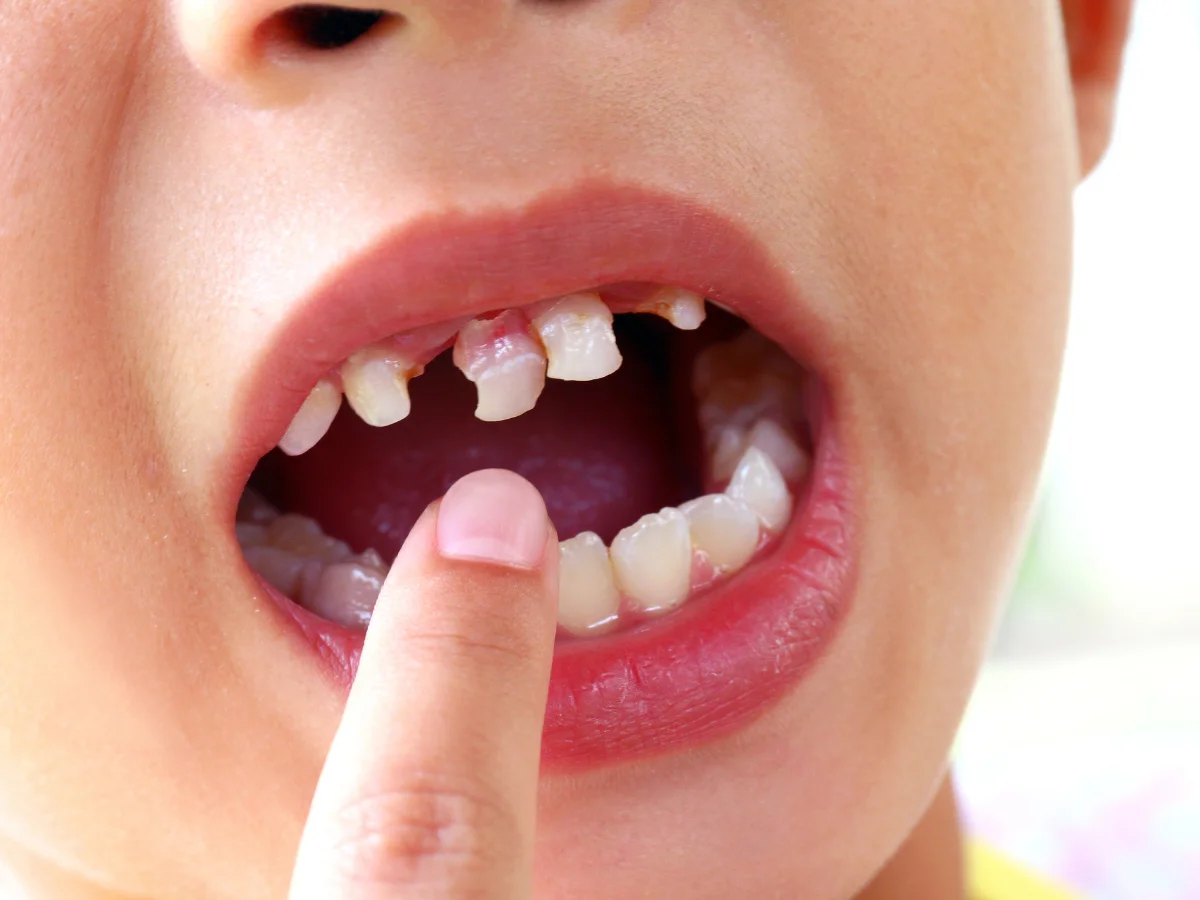
There are few dental experiences more frightening than discovering that one of your permanent, adult teeth is loose. Whether you notice it while eating, brushing, or just feel it move with your tongue, the feeling often triggers immediate panic. A loose tooth is something we associate with childhood, not adulthood. Its presence is an unambiguous signal that something is wrong. First, and most importantly, take a deep breath.
Table of Contents
Do not wiggle the tooth further to "test" how loose it is. In a significant number of cases, a loose adult tooth can be saved, but the outcome is critically dependent on your immediate actions and prompt professional care. Discovering this late at night, when the world feels quiet and help seems far away, can be especially stressful. This comprehensive guide is designed to be your first-aid manual. We will walk you through the potential causes, the crucial steps you must take right now to protect the tooth, and the advanced treatments a dentist can provide to save your smile.
The Golden Rules: What to Do Right Now (And What Not to Do)
A loose tooth is a dental emergency. Your actions in the first few hours can make the difference between saving and losing the tooth. Follow these steps immediately.
1. DO NOT Wiggle or Touch It
Your first instinct may be to probe the tooth with your tongue or finger to see just how loose it is. Resist this urge at all costs. The tooth is held in its socket by a network of tiny ligaments (the periodontal ligament). These ligaments may be stretched, inflamed, or damaged. Wiggling the tooth can cause further tearing of these ligaments and damage the surrounding bone, making it much harder to save.
2. Avoid Chewing on That Side of Your Mouth
Keep all pressure off the loose tooth. Any force from biting or chewing can worsen the damage to the supporting structures. Shift all chewing to the opposite side of your mouth until you can see a dentist.
3. Stick to a Soft Food or Liquid Diet
If you must eat, avoid anything hard, crunchy, or sticky. Biting into an apple or chewing on a piece of crusty bread could be the final blow to a compromised tooth. Stick to liquids like soups and smoothies, or very soft foods like yogurt, mashed potatoes, and scrambled eggs.
4. Clean the Area Gently
Maintaining oral hygiene is important to prevent infection, but you must be extremely gentle.
- Brush your other teeth as you normally would.
- When you get to the loose tooth, brush it very softly from the top down, avoiding any side-to-side pressure.
- Do not force floss between the loose tooth and its neighbors.
- Gently rinse your mouth two to three times a day with a warm salt water solution (half a teaspoon of salt in a glass of warm water). This can help reduce inflammation and keep the area clean without applying force.
5. Call a Dentist IMMEDIATELY
This is not a "wait and see" situation. A loose tooth is a clear sign of an underlying problem that will not fix itself. You need a professional diagnosis and treatment as soon as possible.
- When you call, be clear: "I am an adult and I have a loose tooth that is still in place."
- Explain how it happened (if you know) and whether you are in pain.
- Seek a clinic that offers emergency dental appointments. A true emergency dental service in Delhi will understand the urgency and arrange to see you promptly.
Why is My Adult Tooth Loose? The Common Culprits
Understanding the potential cause can help demystify the situation. A loose tooth is always a symptom of a deeper issue.
1. Advanced Gum Disease (Periodontitis) - The #1 Cause
By far the most common cause of non-traumatic tooth looseness in adults is advanced gum disease. This is a chronic bacterial infection that, if left untreated, destroys the tissues that support your teeth.
- The Progression: It starts as gingivitis (inflamed, bleeding gums). If not addressed, the infection progresses deeper, creating "pockets" between the teeth and gums.
- The Damage: Bacteria in these pockets begin to destroy the periodontal ligament and, critically, the jawbone that anchors the tooth. As this supporting bone is lost, the tooth loses its foundation and becomes mobile.
2. Trauma or Injury
This is the most obvious cause. A direct blow to the mouth from a fall, a sports injury, or an accident can stretch or tear the periodontal ligaments, causing the tooth to become loose in its socket, even if it isn't chipped or cracked. Biting down unexpectedly on something very hard, like an olive pit or a nutshell, can also have the same effect.
3. Excessive Teeth Grinding or Clenching (Bruxism)
Many people habitually grind or clench their teeth, especially at night. This habit, known as bruxism, exerts immense and prolonged forces on your teeth—far greater than normal chewing. Over time, this constant pressure can overwhelm and traumatize the periodontal ligaments and the supporting bone. The ligaments become widened and damaged, and the tooth starts to feel loose.
4. Dental Abscess
A dental abscess is a pocket of pus caused by a bacterial infection at the root of a tooth. This infection can create significant inflammation and pressure that can rapidly destroy the surrounding bone. This loss of bone support can make the affected tooth feel loose and elevated in its socket. An abscess is a serious infection and a clear dental emergency.
At the Dental Clinic: Can My Loose Tooth Be Saved?
This is the most important question, and in many cases, the answer is yes. The goal of emergency treatment is to stabilize the tooth and treat the underlying cause, allowing your body's natural healing processes to take over. The Diagnostic Process First, your dentist will perform a gentle but thorough examination to determine the cause and extent of the damage. This will include:
- A visual check of the tooth and surrounding gums.
- Measuring any periodontal pockets around the tooth.
- Taking dental X-rays. An X-ray is critical as it shows the health of the tooth's root and, most importantly, the amount of bone supporting the tooth.
Treatment Options Based on the Cause:
- If Caused by Gum Disease: The primary goal is to eliminate the infection. This is typically done through a deep cleaning procedure called scaling and root planing, which removes the hardened plaque (tartar) and bacteria from below the gumline. By removing the source of the inflammation, the gums can begin to heal. As the gums tighten and re-attach to the tooth, the tooth may become firmer over time.
- If Caused by Trauma: If the X-ray shows the tooth root is intact and there is sufficient bone, the tooth can often be saved with a dental splint. This is a non-invasive procedure where the loose tooth is bonded to its stable neighboring teeth using a tooth-colored composite material. This splint acts like a cast on a broken bone, holding the tooth immobile in its socket for several weeks. This period of stabilization allows the stretched or torn periodontal ligaments to heal and re-attach, and the tooth to become firm again.
- If Caused by Bruxism: The treatment is often two-fold. First, the dentist may splint the tooth to the adjacent teeth to provide immediate stability and allow the ligaments to heal. Second, they will create a custom-made night guard. This is a protective appliance worn during sleep that absorbs the immense forces of grinding, protecting not only the loose tooth but all your other teeth from future damage.
- If Caused by an Abscess: The infection inside the tooth must be treated with a root canal procedure. This involves cleaning out the infected pulp, disinfecting the inside of the tooth, and sealing it. Once the infection is eliminated, the pressure is relieved, and any associated bone loss can begin to heal, often allowing the tooth to tighten back up.
When a Tooth Cannot Be Saved
It is important to be realistic. In some severe cases, saving the tooth may not be possible. This is typically when:
- There has been extreme bone loss from advanced, untreated periodontitis, leaving very little foundation for the tooth.
- The tooth's root is fractured vertically, a type of injury that is generally untreatable.
If an extraction is necessary, it is not the end of your smile. Modern dentistry offers excellent replacement options, with the dental implant being the gold standard. A dental implant is an artificial tooth root that is placed in the jaw, providing a permanent, stable foundation for a new crown. It looks, feels, and functions exactly like a natural tooth and is the best long-term solution for preserving your oral health.
Top Searched FAQs About a Loose Adult Tooth
Will a loose tooth tighten back on its own?
No. A loose tooth is a symptom of an underlying problem. While the tooth can tighten again, it will only do so if the underlying cause (gum disease, trauma, grinding) is professionally diagnosed and treated by a dentist. Ignoring it will only allow the problem to get worse.
How long does it take for a loose tooth to heal after splinting?
A dental splint is typically left in place for 2 to 4 weeks, though this can vary. This gives the periodontal ligaments enough time to heal and re-attach securely to the tooth root.
Is a loose tooth painful?
It can be, but not always. If the looseness is from a sudden injury or an abscess, it is often accompanied by significant pain. However, if the cause is chronic, like advanced gum disease or teeth grinding, the tooth may become loose with little to no pain, which is why the problem can go unnoticed until it is severe.
What is the cost of saving a loose tooth in Delhi?
The cost is entirely dependent on the required treatment. A simple splint will be less expensive than a root canal treatment or extensive gum disease therapy. A consultation is necessary to get an accurate diagnosis and treatment plan with associated costs. However, the cost of saving a tooth is almost always less than the cost of extracting and replacing it with an implant.
Conclusion: A Message of Urgency and Hope
-
Other Blogs
- Dental Veneers: Before & After, Benefits, and Common Myths
- The Science Behind Smile Makeovers: What You Should Know
- Are Dental Implants and Metal-Ceramic Crowns Safe During an MRI?
- How Long Do Veneers Really Last?
- Why Do Dental Implants Fail? Causes, Warning Signs & How to Prevent It
- How Do I Know If I Need a Full Mouth Rehabilitation? A Comprehensive Clinical Guide
Make an Appointment
-
Other Blogs
- What Is It Really Like to Eat With Full Dental Implants? Pros, Cons & Recover
- Are you Pregnant? Don't Let This Miss Your Attention
- Why Do We Need Dental Implants & What They Do?
- Transforming Smiles and Lifestyles: A Comprehensive Guide to Invisalign Treatment
- Fixing Protruding Front Teeth: A Complete Guide to Your Treatment Options
- What to Do When You Have a Painful Cavity
- Four Reasons You Need Regular Dental Checkup
- What Should You Do About a Wisdom Tooth Cavity?
- The Importance of Calcium for Strong and Healthy Teeth
- Is Getting Teeth Whitened by a Dentist Worth It? The Definitive Guide to Professional Brightening
- Top Reasons Why to Select The Best Dentist
- Innovations in Dental Care: Unveiling the Impact of Modern Technologies
- How To Prepare Yourself For Dental Implant Surgery Mentally?
- How Much Does It Cost for a Cap on Tooth? A Detailed Guide 🦷
- Transforming Your Smile with Full Mouth Dental Implants: 4 Key Benefits
- Smoking and Its Detrimental Effects on Dental Health
- Got the biggest solitaire but still feel something is missing?
- Why India is the Best Destination for Full Mouth Dental Implants
- The Impact of Drinking Beverages from Cans on Tooth Decay: Risks and Prevention
- How to stop bad breath from mouth?
- Ways You are Unknowingly Damaging Your Teeth
- Seeing Black Lines on Your Teeth? It Might Not Be a Cavity. A Dentist Explains.
- Heard about Holistic dentists? Holistic dentistry?
- Optical Detection of Endodontic Infection: A Game-Changer in Dental Care
- The Vital Role of Oral Hygiene in Daily Life: A Path to Healthier Living
- Is a Dental Implant Painful? The Honest Truth About What to Expect
- Dental Implant Complications: Understanding Risks and Navigating Safe Practices in India
- Advancements in Dental X-Rays: Safeguarding Dental Health in India with Improved Technology
- Dental Crowns – Types, Cost And Their Longevity
- 🍼🦷 Milk & Mini Molars: When to Brush Baby Teeth for Best Oral Health in India
- 😬🦷 Front Tooth Broken in Half? Here’s How Top Dentists in India Can Fix It
- Managing Dental Anxiety: Tips for a Stress-Free Dental Visit
- Step-by-Step Journey of a Full Mouth Implant Patient: Before, During & After
- Summertime Dental Health Advice
- What Your Saliva pH Reveals About Your Oral Health
- What Effects does Your Oral Health Have on Your General Health?
- Endosteal Implants – Should Be Perfect Choice?
- How to Make Yellow Teeth White: A Comprehensive Guide
- Restoring Dental Health: Comprehensive Dental Restorations
- How to Get Relief from Wisdom Tooth Pain: A Complete Guide 🦷
- 😁 Dent Ally Aligners vs Invisalign: Which Should You Choose?
- Does Seltzer Damage Your Teeth? The Truth About Carbonated Water and Enamel
- Preview Your Perfect Smile Before Treatment Even Starts
- Transform Your Gummy Smile: A Complete Guide to Causes & Modern Treatments
- Unveiling the Uncommon: Exploring Rare Dental Conditions and Their Treatment by Dentists in Delhi
- Tongue Color Reveals Your Dental Health Problem
- Dentists warn against using DIY dental care products
- Gingivitis – Cause, Symptoms, And Treatment
- What is the most affordable way to replace missing teeth?
- Is teeth gap filling painful?