


The Future of Restorative Dentistry: How 3D CBCT Imaging and Computer-Guided Surgery Make Dental Implants Safer
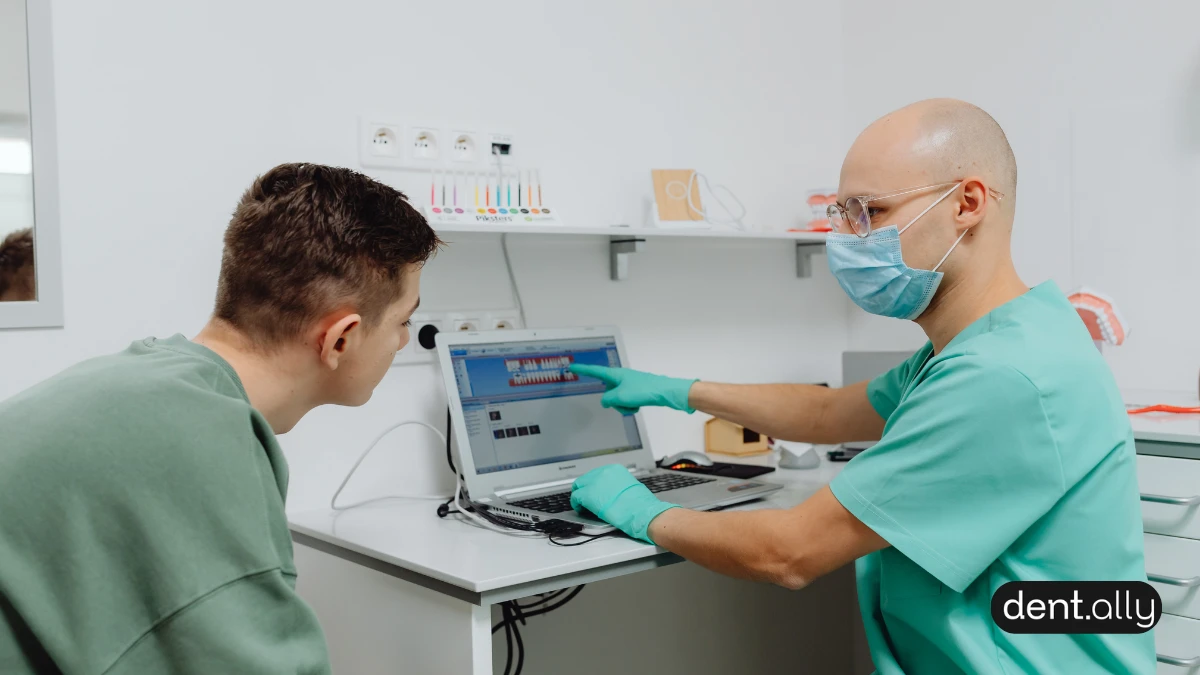
For decades, replacing a missing tooth involved a degree of guesswork. Dentists relied heavily on two-dimensional X-rays and tactile feedback during surgery. While many of these procedures were successful, the lack of complete anatomical visualization left room for complications.
Today, the landscape of restorative dentistry has undergone a massive technological revolution. The integration of 3D CBCT (Cone Beam Computed Tomography) imaging and computer-guided surgery has transformed dental implant procedures from a manual art into an exact science.
If you are considering replacing missing teeth, understanding how these digital innovations safeguard your health and improve your results is essential. Let’s explore how this technology ensures your implant journey at a premier clinic like Dent Ally is safer, faster, and more predictable than ever before.
The Limitations of Traditional 2D X-Rays
To understand the breakthrough of modern imaging, we must first look at the past. Traditional panoramic X-rays provide a flat, 2D representation of a complex, 3D structure (your jaw and skull).
While useful for detecting basic cavities or generalized bone loss, 2D X-rays suffer from magnification errors, distortion, and superimposition (where structures overlap each other). When placing a titanium implant into the jawbone, relying solely on a 2D image is akin to navigating a new city with a map that lacks street names and topographical details. The dentist cannot definitively see the exact width of the bone or the precise location of hidden nerves.
What is 3D CBCT Imaging?
CBCT (Cone Beam Computed Tomography) is a specialized type of medical imaging that uses a cone-shaped X-ray beam to capture hundreds of high-resolution images of the patient's oral and maxillofacial anatomy in a single rotation. A computer then reconstructs these images into an exact 3D replica of the patient’s head and neck.
How CBCT Elevates Implant Safety:
-
Pinpoint Nerve Mapping: The lower jaw houses the inferior alveolar nerve. If an implant comes too close to this nerve, it can cause temporary or permanent numbness in the lip and chin. CBCT allows the dentist to map this nerve pathway precisely and select an implant length that avoids it entirely.
-
Sinus Cavity Visualization: In the upper jaw, the maxillary sinuses sit just above the back teeth. CBCT scans reveal the exact volume of bone below the sinus, preventing the implant from puncturing the sinus membrane.
-
Bone Density Evaluation: Implants require healthy, dense bone for primary stability. A CBCT scan measures bone density in Hounsfield Units, allowing the surgeon to determine if bone grafting is required before the surgery begins.
For complex, full-arch rehabilitations like All-on-4 dental implants in Delhi, this level of 3D visualization is not just a luxury; it is an absolute medical necessity to ensure the angled implants are anchored safely in the densest parts of the jaw.
The Role of Computer-Guided Implant Surgery
If the CBCT scan is the architectural blueprint, computer-guided surgery is the precision construction process. Here is how the two technologies merge to create a flawless surgical experience:
-
Virtual Planning: The dentist imports the patient's 3D CBCT scan into specialized implant planning software.
-
Digital Placement: On the computer screen, the dentist virtually places the implant into the 3D model of the patient's jaw. They can adjust the angle, depth, and size of the implant with micro-millimeter accuracy, ensuring perfect alignment with the future dental crown.
-
Fabricating the Surgical Guide: Once the virtual surgery is perfected, a 3D printer is used to fabricate a custom "surgical guide." This guide fits snugly over the patient's existing teeth or gums.
-
Guided Execution: During the actual procedure, the surgical guide directs the dentist’s specialized instruments. It physically restricts the drill from deviating from the pre-planned angle or drilling too deeply, acting as a fail-safe mechanical GPS.
Comparing Implant Techniques: Traditional vs. Guided
(According to dental research published in the National Library of Medicine, computer-guided implant surgeries boast success rates exceeding 98%, largely due to the reduction of human error.)
Comprehensive Digital Dentistry
The power of 3D imaging extends far beyond just dental implants. This digital ecosystem allows for highly comprehensive, predictable dental care across all specialties.
For instance, if your teeth are misaligned prior to getting an implant, 3D imaging is used to plan orthodontic braces or precise invisible aligners in Delhi. This ensures that once your teeth are perfectly straight, there is exact spacing created for your future implant.
Furthermore, this technology is the backbone of aesthetic dentistry. By combining facial scanning with 3D CBCT data, the best dentist for a smile makeover in India can design a prosthetic tooth that perfectly complements your facial symmetry, lip line, and jaw movement.
Advanced Technology Driving Dental Tourism
The integration of CBCT and guided surgery represents the gold standard of global dental care. However, in many Western countries, the cost of accessing this level of technological precision is prohibitively high.
This has led to a massive surge in dental tourism in India. Patients from the US, UK, Australia, and beyond are traveling to specialized clinics in Delhi to receive world-class, digitally guided implant surgeries at a fraction of the cost back home. They receive the exact same cutting-edge safety protocols and premium titanium implants, making international travel an incredibly smart investment for full-mouth restorations.
Conclusion: Investing in Peace of Mind
Getting a dental implant is a significant decision. While the skill and experience of your oral surgeon are paramount, the tools they use dictate the safety and longevity of your new teeth.
By choosing a clinic that utilizes 3D CBCT imaging and computer-guided surgical protocols, you are eliminating the guesswork. You are choosing minimally invasive care, faster recovery times, and the peace of mind that your smile is being restored with the highest safety standards available in modern medicine.
-
Other Blogs
- Dental Veneers: Before & After, Benefits, and Common Myths
- The Science Behind Smile Makeovers: What You Should Know
- Are Dental Implants and Metal-Ceramic Crowns Safe During an MRI?
- How Long Do Veneers Really Last?
- Why Do Dental Implants Fail? Causes, Warning Signs & How to Prevent It
- How Do I Know If I Need a Full Mouth Rehabilitation? A Comprehensive Clinical Guide
Make An Appointment
-
Other Blogs
- Got the biggest solitaire but still feel something is missing?
- Does Seltzer Damage Your Teeth? The Truth About Carbonated Water and Enamel
- How to Get Rid of Jaw Pain on One Side: Causes, Treatments, and Tips 🦷
- What Is It Really Like to Eat With Full Dental Implants? Pros, Cons & Recover
- Why You Need Dental Implants: Cost, Process & What to Expect
- Dental Implant Complications: Understanding Risks and Navigating Safe Practices in India
- Dental Implant – Objectives, Factors, Reasons To Choose!
- 😁🦷 Clear Aligners for Teeth: The Modern Way to Straighten Your Smile in India
- Get Your Oral Health Problems Solved From The Best Dentist
- Here Is the Reasons to Visit the Dentist Every 6 Months
- Where Should I Get My Full Mouth Dental Implants Done in India?
- What Is A Dental Black Triangle? Causes And Treatments
- The Ultimate Guide: Which Dental Offices Provide Dental Implant Services in My Area?
- What Disease Destroys Teeth: Understanding the Causes and Treatments
- 😁 What is the Cost of Invisalign in India?
- The Hidden Link: How Dental Implants Preserve Jawbone Health and Prevent Facial Collapse
- Why Dental Implants Are the Best Long-Term Solution for Missing Teeth in India (2026 Complete Guide)
- Why Is It A Necessity To Choose A Right Dentist?
- Invisible Braces
- Transforming Smiles and Lifestyles: A Comprehensive Guide to Invisalign Treatment
- The Evolution of Dentistry: A Journey Through Time
- Is teeth gap filling painful?
- 7 Tips To Help Recover Smoothly From Dental Implant Surgery
- Single-Tooth Dental Implants: Replacing Individual Missing Teeth
- Parts of your Teeth
- What to Do When You Have a Painful Cavity
- Seniors' Dental Health: Challenges and Solutions
- What To Consider Before Getting Braces?
- Fall Superfoods for Your Teeth
- Are Dental Implants Appropriate For Children?
- Anodontia – Dental Causes, Diagnosis, And Treatment
- Digital Dentistry Advancements in Delhi: Pioneering Precision and Innovation
- How To Prepare Yourself For Dental Implant Surgery Mentally?
- Smoking and Its Detrimental Effects on Dental Health
- Can I Shorten My Teeth? Your Comprehensive Guide to Dental Recontouring for a Perfect Smile
- Why India is the Best Destination for Full Mouth Dental Implants
- Tooth Extraction – Key Things You Need To Know
- Passage of the National Dental Commission Bill 2023: A Landmark Moment in Dentistry
- Basics and Important Things About Root Canal
- What is the fees of dentist in India?
- Innovations in Dental Care: Unveiling the Impact of Modern Technologies
- Summertime Dental Health Advice
- Smiling without a tooth? – It’s cute, but only on kids.
- Tongue Color Reveals Your Dental Health Problem
- Missing Teeth Problem and Its Treatment
- Bad Breath (Halitosis): Causes and Ways to Maintain Fresh Breath
- The Role of a Dentist in Maintaining Your Oral Health
- The Most Surprising Myths about Dental Implants
- Bridal Radiance: Mastering Your Smile Makeover with India's Top Cosmetic Dentistry Treatments
- Root Canal Treatment is Not Painful, Not getting It Done is!