


Invisalign for crooked teeth
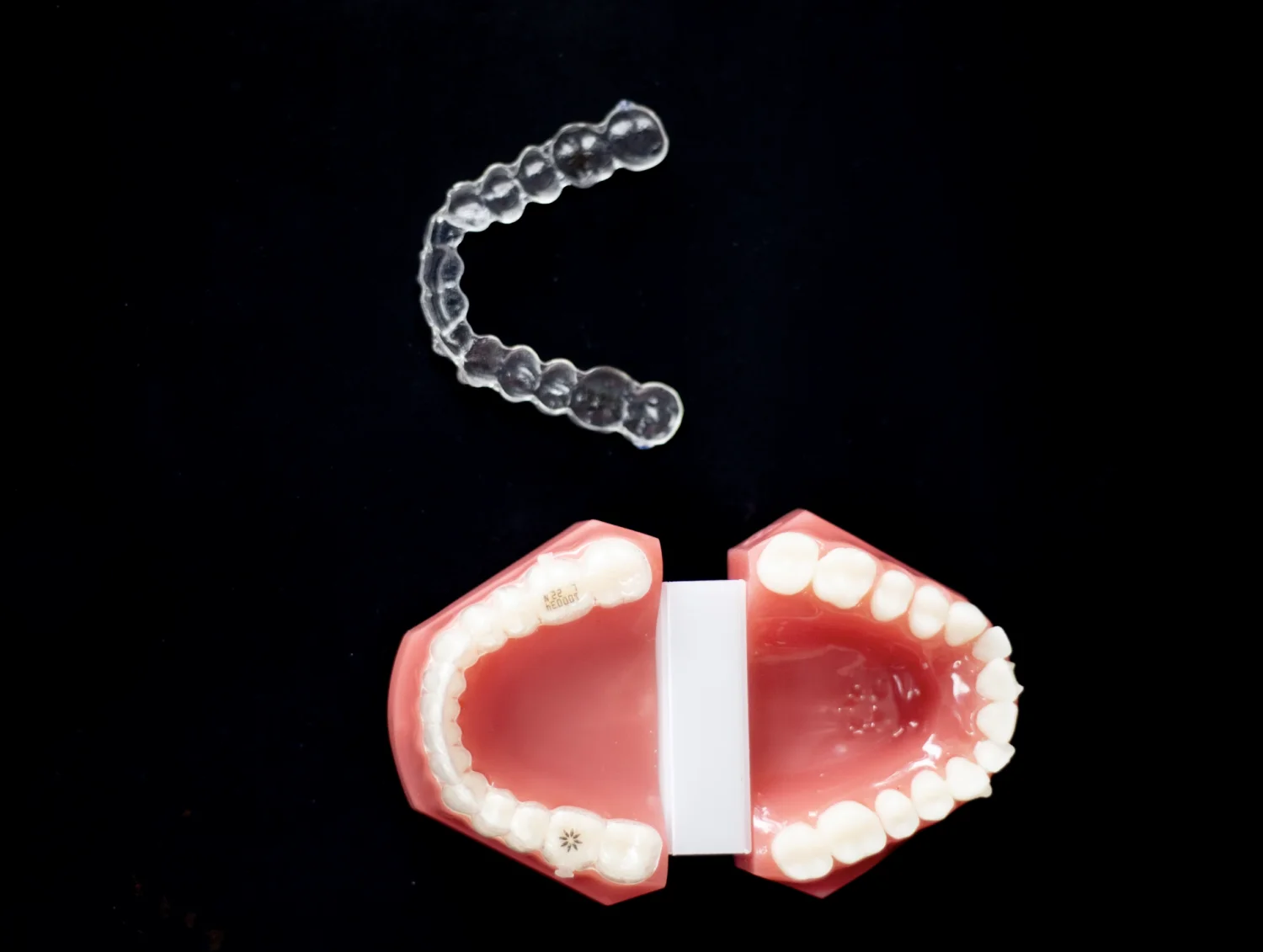
Straighten Your Smile with Invisalign: A Comprehensive Guide to Correcting Crooked Teeth Crooked teeth can not only affect your appearance but also impact your oral health and self-confidence. Fortunately, advancements in orthodontic treatment offer effective solutions to align teeth and achieve a straighter, more harmonious smile. In this guide, we'll explore Invisalign, a popular orthodontic treatment option for correcting crooked teeth, providing valuable insights into its benefits, process, and outcomes. Whether you're considering teeth braces alignment or seeking alternatives to traditional braces, Invisalign may be the solution you've been looking for. Understanding Invisalign Invisalign is a revolutionary orthodontic treatment system that utilizes clear, removable aligners to gradually move teeth into their desired positions. Unlike traditional braces, which use metal brackets and wires, Invisalign aligners are virtually invisible and offer a discreet, comfortable, and convenient alternative for teeth straightening. How Invisalign Works The Invisalign treatment process begins with a consultation with an orthodontist or dentist trained in Invisalign therapy. During this initial visit, the provider will assess your oral health, discuss your treatment goals, and determine if Invisalign is the right option for you. If Invisalign is recommended, a customized treatment plan will be created based on digital impressions or scans of your teeth. These impressions are used to design a series of clear aligners that will gradually shift your teeth into proper alignment over time. Benefits of Invisalign for Crooked Teeth
- Discreet Appearance: Invisalign aligners are made from clear, medical-grade plastic, making them virtually invisible when worn. This allows you to straighten your teeth discreetly without drawing attention to your orthodontic treatment.
- Comfortable Fit: Invisalign aligners are custom-made to fit snugly over your teeth, providing a comfortable and secure fit. Unlike traditional braces, which can cause discomfort and irritation from metal brackets and wires, Invisalign aligners are smooth and gentle on the gums and soft tissues.
- Removability: One of the key advantages of Invisalign is its removability. Unlike traditional braces, which are fixed in place for the duration of treatment, Invisalign aligners can be easily removed for eating, brushing, and flossing. This allows for better oral hygiene and the ability to enjoy your favorite foods without restrictions.
- Convenience: Invisalign treatment typically requires fewer office visits than traditional braces, as there are no adjustments or wire changes to be made. The convenience of fewer appointments and the ability to change aligners at home make Invisalign a popular choice for busy individuals.
The Invisalign Treatment Process
- Initial Consultation: Meet with an Invisalign-trained provider to discuss your treatment goals and determine if Invisalign is right for you.
- Customized Treatment Plan: Digital impressions or scans of your teeth are used to create a personalized treatment plan and design your custom aligners.
- Wearing Aligners: Wear your aligners for 20-22 hours per day, removing them only for eating, drinking (except water), brushing, and flossing.
- Progress Monitoring: Visit your provider periodically to ensure your treatment is progressing as planned and receive new sets of aligners as needed.
- Maintenance: After completing your Invisalign treatment, you may be given retainers to wear to maintain your results and prevent teeth from shifting back.
Conclusion Invisalign offers a convenient, comfortable, and discreet solution for correcting crooked teeth and achieving a straighter, more confident smile. If you're considering teeth braces alignment, Invisalign may be the ideal option for you. To learn more about Invisalign treatment options and schedule a consultation, visit dentally.in and consult with a qualified orthodontic provider. FAQs About Invisalign for Crooked Teeth Q1: How long does Invisalign treatment take to straighten crooked teeth? A1: The duration of Invisalign treatment varies depending on the severity of the crooked teeth and individual treatment goals. On average, treatment can take anywhere from 6 to 18 months to achieve desired results. Q2: Can Invisalign correct severe cases of crooked teeth? A2: Invisalign is suitable for treating mild to moderate cases of crooked teeth. However, severe cases may require alternative orthodontic treatments or a combination of Invisalign and other interventions for optimal results.
-
Other Blogs
- Dental Veneers: Before & After, Benefits, and Common Myths
- The Science Behind Smile Makeovers: What You Should Know
- Are Dental Implants and Metal-Ceramic Crowns Safe During an MRI?
- How Long Do Veneers Really Last?
- Why Do Dental Implants Fail? Causes, Warning Signs & How to Prevent It
- How Do I Know If I Need a Full Mouth Rehabilitation? A Comprehensive Clinical Guide
Make An Appointment
-
Other Blogs
- Understanding the Impact of Diet on Oral Health
- Sterilization & Infection Control Protocol
- Endosteal Implants – Should Be Perfect Choice?
- Skipping the Dentist? Here's What Really Happens to Your Teeth Over Time
- Make Your Oral Health Better By Brushing Up On Dental Care Basics
- Why Is My Tooth Loose but Still Attached?
- Can Oral Health Impact Mental Health? The Surprising Connection
- How Long Do Crowns Last on Front Teeth?
- Why Dental Implants Are the Best Long-Term Solution for Missing Teeth in India (2026 Complete Guide)
- Effective Tips To Take Before Wearing Braces
- 🦷 How to Plan a Dental Trip to Delhi: Step-by-Step Guide for First-Timers
- Can Teeth Regrow? The Truth About Natural Tooth Regeneration
- Most Common Dental Treatments Performed By A Professional Dentist
- All-on-4 vs All-on-6 Dental Implants: Which Is Right for You?
- Innovations in Dental Care: Unveiling the Impact of Modern Technologies
- Why You Need Dental Implants: Cost, Process & What to Expect
- How long does a dental implant take to finish?
- Dental Plaque And Its Nitty-Gritty
- How Long Do Veneers Really Last?
- SAFEST, NON-TOXIC AND CHEMICAL FREE FILLINGS AT DENTALLY , Best Fillings for Teeth in Delhi
- Does Tooth Implant Have Side Effects? Understanding the Risks and Benefits 🦷⚖️
- Exploring Preventive Dentistry: Understanding the Benefits of Dental Sealants and Fluoride Treatments
- Is India a Good Place for Dental Treatment?
- Missing Teeth Problem and Its Treatment
- Smoking and Its Detrimental Effects on Dental Health
- Dealing with Dental Cavities: Causes, Treatment, and Prevention
- Restoring Dental Health: Comprehensive Full Mouth Reconstruction
- Tongue Color Reveals Your Dental Health Problem
- How To Get Rid of Sensitive Teeth
- How Same-Day Crowns Are Changing Modern Dentistry
- Why India is the Best Destination for Full Mouth Dental Implants
- SHOULD YOU GO TO THE DENTISTDURING THE CORONAVIRUS PANDEMIC?
- Preview Your Perfect Smile Before Treatment Even Starts
- Selenomonas sputigena: A New Player in Tooth Decay
- Dealing with Teeth Pain: Causes, Home Remedies, and When to Seek a Dentist
- Mastering Oral Hygiene: A Comprehensive Guide to Healthy Teeth and Smiles
- Dental Health During Pregnancy: A Comprehensive Guide
- Is Teeth Cleaning Painful?
- Crooked Teeth and the Issues They Could Cause
- Dental Implants for Patients with Medical Conditions: What to Consider
- How to Stabilize Loose Teeth: Causes, Treatment, and Prevention
- Why are my teeth yellow when i brush them everyday?
- The Science Behind Smile Makeovers: What You Should Know
- Tooth Decay: Prevention and Treatment
- 4 Ways Full Mouth Dental Implants Enhance Your Smile
- How expensive are veneers?
- The Role of Genetics in Dental Health: Understanding Your Oral Health Risks
- 🦷 What to Expect When You Travel to India for Dental Work: Full Timeline & Tips
- Digital Dentistry Advancements in Delhi: Pioneering Precision and Innovation
- 🦷 How Oral Health Affects Your Well-Being: 6 Reasons Why Good Dental Care Matters