


The Hidden Power of a Professional Teeth Cleaning: Why Your Smile Needs More Than Just Brushing
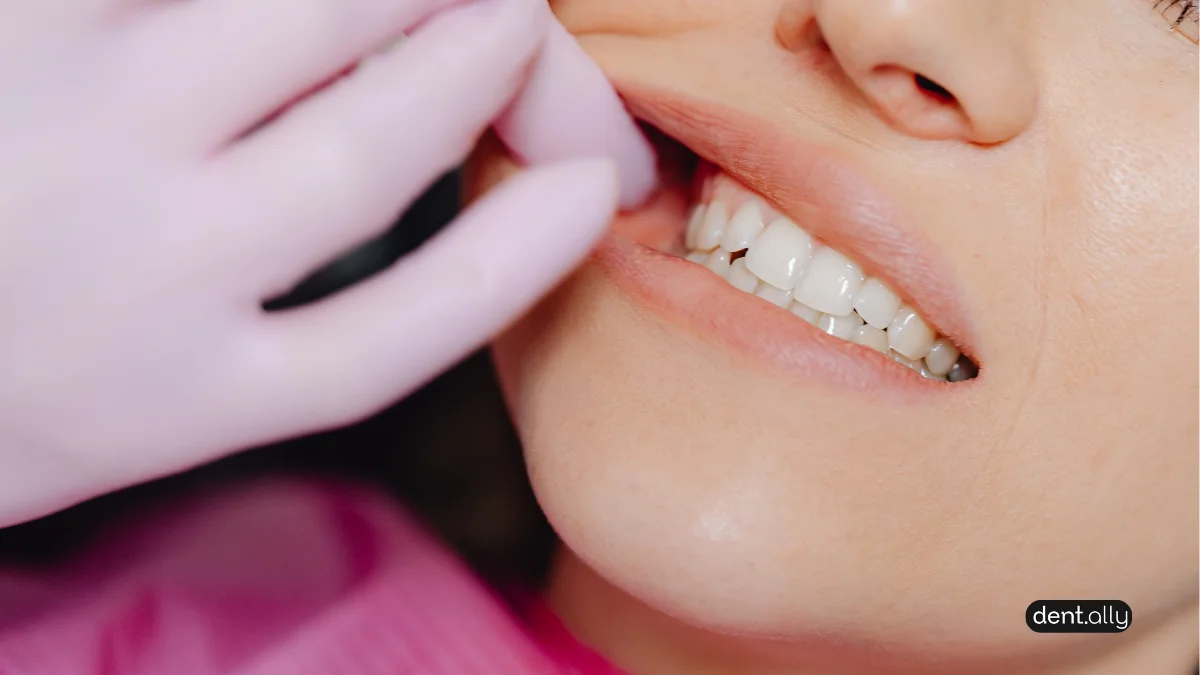
We all know the drill—literally and figuratively. Brush twice a day, floss (when we remember), and try to avoid too many sugary snacks. It’s the standard advice we’ve heard since childhood. But even with the most diligent at-home routine, there is a limit to what a toothbrush can achieve.
Many people view a trip to the dentist for a "cleaning" as a minor cosmetic touch-up or an annoying bi-annual obligation. However, professional teeth cleaning, clinically known as dental prophylaxis, is far more than just a "buff and shine." It is the cornerstone of preventive healthcare, a critical defense against systemic disease, and the secret to keeping your natural teeth for a lifetime.
If you have ever wondered, "Is a professional cleaning really necessary if I brush well?" this guide is for you. We will dive deep into the science of plaque, the surprising connection between your mouth and your heart, and the comprehensive benefits that make that hour in the dental chair one of the best investments you can make for your health.
1. The Battle Against the Invisible Enemy: Plaque and Tartar
To understand the primary benefit of professional cleaning, you have to understand the enemy: Biofilm.
Every time you eat, bacteria in your mouth feast on the sugars and starches left behind. They form a sticky, colorless film on your teeth called plaque.
-
The Problem: You can remove most plaque with brushing. However, you cannot reach 100% of it. The tiny crevices between teeth, the back of the molars, and the pockets just under the gumline are notorious "no-fly zones" for your toothbrush bristles.
-
The consequence: When plaque sits on teeth for more than 24-48 hours, it mineralizes. It hardens into a substance called tartar (calculus).
Here is the critical fact: You cannot remove tartar at home. No amount of aggressive brushing or flossing will chip it off. It is like cement. Professional cleaning is the only way to remove these hardened deposits using specialized ultrasonic tools and scalers. If left untreated, tartar becomes a fortress for bacteria, irritating the gums and leading to inevitable decay.
2. Preventing the "Silent Killer": Gum Disease
Gum disease (periodontal disease) is often called a "silent" condition because it rarely hurts in the early stages. The CDC estimates that nearly half of adults aged 30 and older have some form of gum disease.
-
Stage 1: Gingivitis: This is the body's inflammatory response to tartar buildup. Gums become red, swollen, and bleed easily. Professional cleaning can completely reverse this. By removing the irritant (tartar), the gums can heal.
-
Stage 2: Periodontitis: If gingivitis is ignored, the infection spreads to the bone. The gums pull away from the teeth, forming "pockets" that trap even more infection. This leads to bone loss and tooth loss.
Regular professional cleanings act as a "reset button" for your gums, clearing out the bacteria-filled pockets that you can't reach and preventing the progression from simple inflammation to irreversible bone loss.
3. The Mouth-Body Connection: Protecting Your Overall Health
One of the most compelling reasons to get your teeth cleaned has nothing to do with your mouth. Modern medicine has established a definitive link between oral health and systemic health. Your mouth is the gateway to the rest of your body, and an infection there does not stay contained.
-
Heart Disease: Studies suggest that the inflammation caused by gum disease may increase the risk of heart disease.Bacteria from the mouth can travel through the bloodstream, potentially leading to arterial plaque or inflammation of the heart vessels.
-
Diabetes: It is a two-way street. Diabetes reduces the body's resistance to infection, making the gums more susceptible to disease. Conversely, severe gum disease can increase blood sugar levels, making diabetes harder to control. Professional cleanings help manage this inflammation, aiding in better glycemic control.
-
Respiratory Issues: Bacteria from a dirty mouth can be inhaled into the lungs, potentially causing pneumonia or exacerbating chronic bronchitis, especially in older adults.
By keeping your mouth clean, you are essentially reducing the inflammatory load on your entire immune system.
4. Early Detection: Catching Problems While They Are Small
Think of a professional cleaning as a "fact-finding mission." During your appointment, the dental hygienist and dentist are looking for more than just dirty teeth. They are trained to spot the subtle, early warning signs of major issues:
-
Micro-Cavities: They can spot "soft spots" in enamel before they turn into gaping holes. A fluoride treatment during the cleaning can sometimes re-mineralize these spots, saving you from a filling.
-
Oral Cancer: Every cleaning should include a screening for oral cancer. This disease is highly treatable if caught early but deadly if caught late. Your dentist checks for unusual sores, white patches, or lumps that you would never notice in the bathroom mirror.
-
Broken Fillings/Crowns: Dental work doesn't last forever. A cleaning is the perfect time to check if old fillings are leaking or if a crown has a hairline fracture, allowing you to fix it before the tooth breaks completely.
5. The Cosmetic Boost: A Brighter, Polished Smile
While health is the priority, vanity is a valid motivator! Over time, our teeth endure an onslaught of staining agents: coffee, tea, red wine, turmeric, berries, and tobacco.
These "extrinsic stains" settle into the microscopic pores of your enamel.
-
The Polishing Phase: The final step of a professional cleaning involves a high-powered electric brush and gritty prophylaxis paste. This process gently scours away surface stains that regular toothpaste leaves behind.
-
The Result: Most patients notice their teeth look one or two shades lighter immediately after a cleaning. It is a natural, non-chemical way to brighten your smile without the sensitivity often associated with bleaching treatments.
6. Banishing Bad Breath (Halitosis)
Chronic bad breath is rarely solved by mints. Mints just mask the odor; they don't remove the source. In 85-90% of cases, bad breath originates in the mouth, usually from:
-
Volatile Sulfur Compounds (VSCs): These are smelly gases produced by bacteria breaking down food particles.
-
Rotting Debris: Food trapped under the gumline or between teeth.
-
Gum Infection: The bacteria associated with periodontitis have a distinct, unpleasant odor.
A professional cleaning evicts these bacteria and removes the source of the smell. Furthermore, hygienists often provide specialized tongue cleaning advice, as the back of the tongue is a major harbor for odor-causing microbes.
7. Saving Money in the Long Run
It is a common paradox: people avoid the dentist to save money, only to end up spending ten times more on emergency care.
-
The Cost of Prevention: A standard cleaning is relatively affordable and is often 100% covered by dental insurance plans.
-
The Cost of Neglect: A missed cleaning leads to a cavity (cost of a filling). A missed cavity leads to a nerve infection (cost of a root canal + crown). A missed infection leads to tooth loss (cost of an extraction + implant).
Viewing professional cleaning as a "maintenance cost"—like an oil change for your car—is the most financially savvy approach to healthcare.
The Professional Cleaning Procedure: What to Expect
If it has been a while since your last visit, fear of the unknown can be a barrier. Here is a breakdown of the modern, gentle cleaning process:
-
The Exam: A physical check of your teeth and gums using a small mirror to look for inflammation or decay.
-
Ultrasonic Scaling: A device that uses vibration and a stream of water to break up large chunks of tartar. It hums and sprays water, but it doesn't hurt.
-
Hand Scaling: The hygienist uses fine metal instruments (curettes) to remove smaller tartar deposits from between teeth and just under the gumline.
-
Polishing: The "electric toothbrush" phase with gritty paste to smooth the enamel and remove stains.
-
Flossing: The hygienist flosses between every tooth to remove any remaining paste or plaque.
-
Fluoride: (Optional but recommended) A varnish or gel is applied to strengthen the enamel against acid attacks for the next few months.
Conclusion: A Commitment to Yourself
Your teeth are meant to serve you for a lifetime. They help you nourish your body, articulate your thoughts, and express your joy. Professional teeth cleaning is the primary way we honor that service.
By committing to a cleaning every six months (or more frequently if recommended), you are not just cleaning your teeth; you are actively preventing disease, protecting your heart, saving your money, and ensuring that your smile remains a source of confidence rather than pain.
Don't wait for a toothache to remind you of your dental health. The benefits of a fresh start are just one appointment away.
Ready for a Fresh Start?
If you are looking for a dental team that combines gentle care with world-class preventive expertise, we highly recommend Dent Ally.
Renowned as the best dental clinic in Delhi and Gurgaon, Dent Ally’s team of hygienists and specialists use the latest ultrasonic technology to ensure your cleaning is thorough, comfortable, and effective. They focus on patient education, helping you master your home care routine so you can enjoy a healthy smile between visits.
Visit Dentally.in today to book your cleaning and experience the difference.
-
Other Blogs
- Dental Veneers: Before & After, Benefits, and Common Myths
- The Science Behind Smile Makeovers: What You Should Know
- Are Dental Implants and Metal-Ceramic Crowns Safe During an MRI?
- How Long Do Veneers Really Last?
- Why Do Dental Implants Fail? Causes, Warning Signs & How to Prevent It
- How Do I Know If I Need a Full Mouth Rehabilitation? A Comprehensive Clinical Guide
Make An Appointment
-
Other Blogs
- Can Dental Implants Trigger Autoimmune Disease?
- Unveiling the Dental-Brain Connection: How Poor Dental Health Can Impact Cognitive Function
- Smile Alignment Made Easy: How to Straighten Your Teeth in India
- Understanding the Impact of Diet on Oral Health
- How To Select The Perfect Fillings For Your Teeth?
- Here Is the Reasons to Visit the Dentist Every 6 Months
- TOP REASONS WHY DENTAL IMPLANTS ARE IMPORTANT?
- Digital Dentistry Advancements in Delhi: Pioneering Precision and Innovation
- What Is the Most Serious Dental Disease? Uncovering the Silent Threats to Your Health
- 😖🦷 Toothache Troubles? Here's What to Do (Before It Gets Worse)
- Will Braces Change My Face Shape? The Truth About Orthodontics and Facial Symmetry
- Make Your Oral Health Better By Brushing Up On Dental Care Basics
- How Long Until I See Results with Invisalign?
- Debunking Dental Myths: Separating Fact from Fiction
- Plaque vs. Tartar: What’s the Difference and Why Does It Matter for Your Health?
- Parts of your Teeth
- 🦷 How to Plan a Dental Trip to Delhi: Step-by-Step Guide for First-Timers
- 🦷❤️ Gum Disease and Its Connection to Heart Disease
- Unlocking the Secrets to a Radiant Smile: Lifestyle Choices for Optimal Dental Health
- Dentists warn against using DIY dental care products
- Understanding Tooth Loss: Causes, Impact, and Modern Solutions
- The Impact of Sugar on Teeth: How Sweet Treats Can Harm Oral Health
- How to Overcome Mask Anxiety: Understanding Mask Mouth, Breath Concerns, and More
- Discover the Best Country to Fix Your Teeth: A Global Perspective with a Focus on Dent Ally as India's Premier Dental Clinic
- Most Common Dental Treatments Performed By A Professional Dentist
- 🥦🦷 Fluoride-Rich Foods for Stronger Teeth: A Dentist-Recommended Guide in India
- Anodontia – Dental Causes, Diagnosis, And Treatment
- Dealing with Dental Cavities: Causes, Treatment, and Prevention
- Why Is My Tooth Loose but Still Attached?
- Can I Eat Maggi After Tooth Extraction?
- The Role of a Dentist in Maintaining Your Oral Health
- How painful is getting a dental implant?
- Dental Implant Complications: Understanding Risks and Navigating Safe Practices in India
- What Is Hypodontia? Causes And Treatments For Missing Teeth
- 🦷🧠 The Hidden Link: How Neglecting Oral Health Affects Your Mental Well-Being
- How to Stabilize Loose Teeth: Causes, Treatment, and Prevention
- The Importance of Calcium for Strong and Healthy Teeth
- Swift Relief and Expert Care: Dental Emergency Services
- Dental Implants And How Crucial Replacing Teeth Really Are?
- The Oral Factor in Pneumonia: Exploring the Denture-Pneumonia Link and Oral Health’s Impact on Overall Well-being
- Can You Fully Recover From Gum Disease? A Comprehensive Guide
- Dental Erosion: What You Need To Know
- Is it Hard to Talk With All Four Dental Implants?
- The New Era of Dentistry: AI, 3D Imaging & Digitally Guided Dental Implants
- Gingivitis – Cause, Symptoms, And Treatment
- Dent Ally Recognized Among Top Companies in Global Dental Tourism Market by The Business Research Company
- Everything to Know About Invisible Aligners For Dental Solutions
- Seeing Black Lines on Your Teeth? It Might Not Be a Cavity. A Dentist Explains.
- How to stop bad breath from mouth?
- How Long Do Veneers Really Last?