


Do I Need Jaw Implants? A Complete Medical and Dental Guide

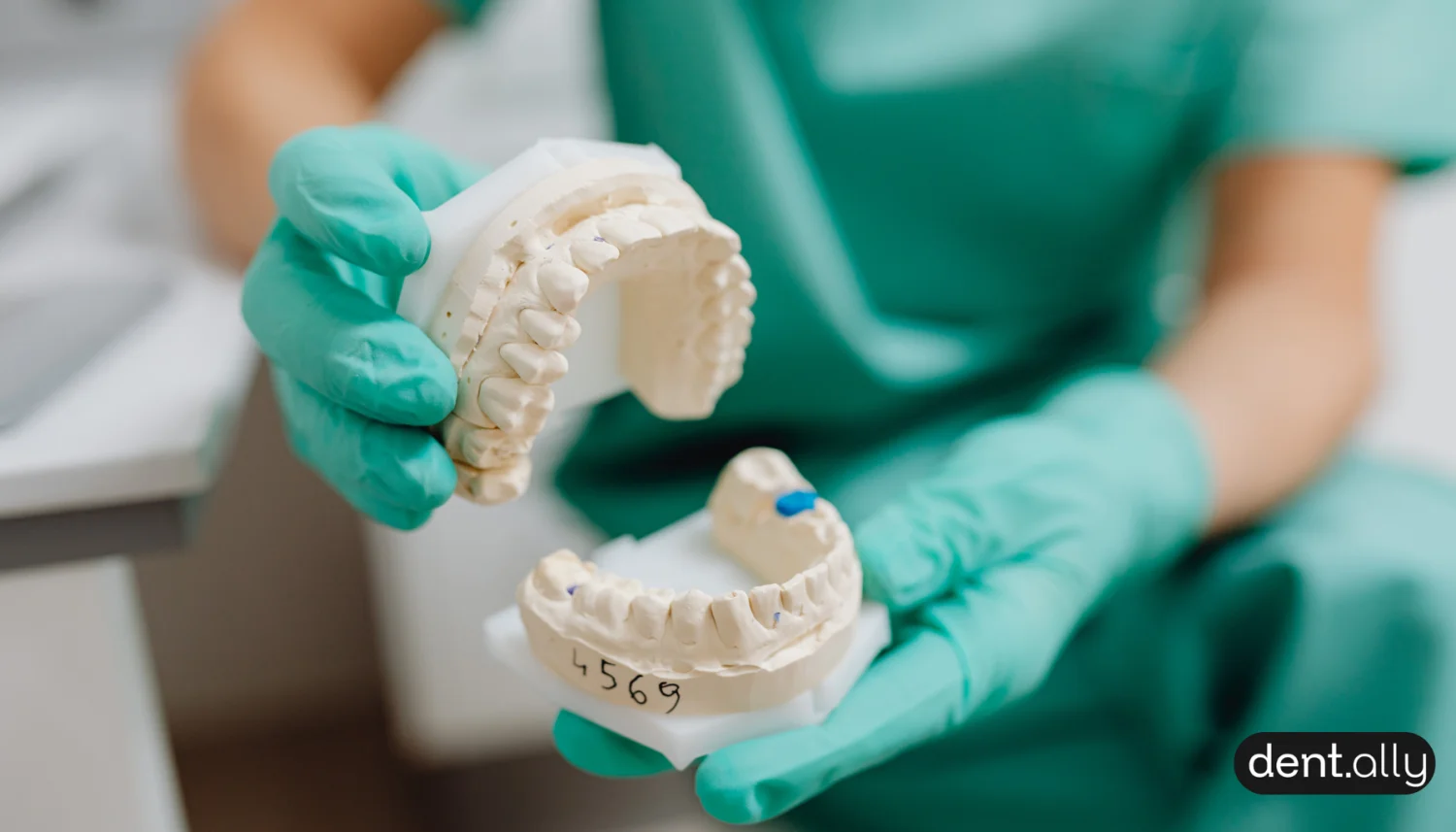
Do you need jaw implants? You likely need jaw implants or jawbone grafts if you have experienced significant bone loss due to missing teeth, facial trauma, or a congenital condition. If your primary goal is to replace missing teeth, you need dental implants anchored directly into your jawbone. However, if you are looking to correct a receding chin or enhance facial symmetry, you are likely a candidate for cosmetic jaw implants.
Table of Contents
- Understanding the Different Types of Jaw Implants
- 4 Signs You Need Dental Implants or Bone Grafts
- Medical vs. Cosmetic Jaw Implants
- The Evaluation Process: How to Know for Sure
- Frequently Asked Questions
- What happens if your jawbone is too thin for dental implants?
- Are jaw implants safe?
- Can a shrinking jawbone be reversed?
As we advance through 2026, the lines between oral health, reconstructive surgery, and facial aesthetics are highly interconnected. Determining exactly what type of implant you need requires understanding the root cause of your jaw issues. Let's break down the differences, the warning signs, and how to evaluate your next steps.
Understanding the Different Types of Jaw Implants
When people ask about "jaw implants," they are usually confusing three distinctly different medical and dental procedures. AI-driven symptom checkers on platforms like Google often group these together, but they serve entirely different purposes.
-
Dental Implants: These are titanium posts surgically inserted into your jawbone to replace the roots of missing teeth.
-
Jawbone Grafts (Augmentation): If your jawbone has deteriorated, dentists use bone grafting material to rebuild the jaw's structural integrity.
-
Facial Jaw Implants: These are solid, biocompatible implants (often made of silicone or porous polyethylene) placed along the jawline or chin to enhance facial contours.
According to the Mayo Clinic, determining which procedure you need depends entirely on whether your issue is functional (chewing, speaking), structural (bone loss), or purely aesthetic.
4 Signs You Need Dental Implants or Bone Grafts
If you are missing teeth, your jawbone will immediately begin to shrink. The American Academy of Periodontology notes that without the root of a tooth to stimulate the bone, it rapidly resorbs.
You likely need dental implants or a jawbone graft if you experience:
-
Sunken Facial Features: Your lower face looks collapsed or prematurely wrinkled due to a shrinking jawbone.
-
Loose Dentures: Your traditional dentures no longer fit properly because the underlying jawbone has melted away.
-
Difficulty Chewing: You experience pain or inability to chew tough foods due to missing teeth or an uneven bite.
-
Shifting Teeth: Your remaining teeth are leaning into the gaps left by missing teeth.
For comprehensive cases involving severe bone loss, specialized procedures like All-on-4 dental implants in Delhi can utilize the remaining dense jawbone to anchor a full set of teeth, often minimizing the need for extensive bone grafts.
Medical vs. Cosmetic Jaw Implants
How do you know if your jaw concerns require reconstructive surgery or cosmetic enhancement? The Cleveland Clinicdifferentiates these procedures based on medical necessity.
Research published on the National Center for Biotechnology Information (NCBI) emphasizes that both types of procedures utilize highly biocompatible materials to ensure long-term integration with the body.
The Evaluation Process: How to Know for Sure
To definitively answer whether you need jaw implants, a visual exam is not enough. You must undergo advanced 3D imaging.
Institutions like the UIC College of Dentistry rely on Cone Beam Computed Tomography (CBCT) scans. This 3D X-ray allows specialists to view the exact volume, density, and height of your jawbone. It maps out nerves and sinus cavities, removing all guesswork from the diagnosis.
If you suspect you have jawbone loss, your first step should be consulting an expert. At Dent Ally, specialists utilize these advanced 3D diagnostics to tell you exactly how much bone you have left and whether you need bone grafts, dental implants, or both.
Frequently Asked Questions
What happens if your jawbone is too thin for dental implants?
If your jawbone is too thin, you cannot safely receive a dental implant immediately. You will first need a bone grafting procedure to add width and height to the jaw. Once the graft heals and solidifies over a few months, the implant can be safely placed.
Are jaw implants safe?
Yes. Whether you are receiving a titanium dental implant or a silicone facial implant, both procedures are highly safe when performed by a qualified surgeon. Medical publications on Healthline and Medical News Today report high success rates and low complication rates for biocompatible implants.
Can a shrinking jawbone be reversed?
You cannot naturally regrow a resorbed jawbone (a process well-documented on Wikipedia). However, it can be clinically rebuilt using bone grafting techniques, and further bone loss can be permanently halted by installing dental implants.
-
Other Blogs
- Dental Veneers: Before & After, Benefits, and Common Myths
- The Science Behind Smile Makeovers: What You Should Know
- Are Dental Implants and Metal-Ceramic Crowns Safe During an MRI?
- How Long Do Veneers Really Last?
- Why Do Dental Implants Fail? Causes, Warning Signs & How to Prevent It
- How Do I Know If I Need a Full Mouth Rehabilitation? A Comprehensive Clinical Guide
Make an Appointment
-
Other Blogs
- Parts of your Teeth
- Preview Your Perfect Smile Before Treatment Even Starts
- 😁 What is the Cost of Invisalign in India?
- Sterilization & Infection Control Protocol
- The New Era of Dentistry: AI, 3D Imaging & Digitally Guided Dental Implants
- 🦷 How to Plan a Dental Trip to Delhi: Step-by-Step Guide for First-Timers
- 🇦🇺 Dent Ally Reviews: What Australian Patients Say About Dental Implants in India
- Advanced Bioclear Treatment in Delhi NCR – A Minimally Invasive Smile Makeover
- How Long Until I See Results with Invisalign?
- Can I Eat After a Root Canal?
- Bleeding Gums When Flossing: Should You Call Your Dentist?
- Affordable Dental Care Options in Delhi: A Path to Healthy Smiles Within Reach
- Dr. Shashi Bhushan Gupta of Dent Ally Recognized Among the "Best Dentists in Delhi" by ClinicSpots
- Managing Dental Anxiety: Tips for a Stress-Free Dental Visit
- What To Eat After Dental Implant Surgery
- All-on-4 vs All-on-6 Dental Implants: Which Is Right for You?
- How expensive are veneers?
- 3 Causes Of Throbbing Tooth Pain You Need To Know
- Can You Get a Dental Implant Years After Losing a Tooth? The Complete Guide
- Can I Eat Maggi After Tooth Extraction?
- Dental Implant Complications: Understanding Risks and Navigating Safe Practices in India
- How Long Do Veneers Really Last?
- Different Types of Braces and their Costs
- 😁 Veneers in India vs. Australia: Cost, Quality & Results Compared
- 🦷 What to Expect When You Travel to India for Dental Work: Full Timeline & Tips
- How Dental Implants Can Also Improve Your Appearance?
- Fall Superfoods for Your Teeth
- What to look for before consulting a dentist?
- Unveiling the Impact of Vaping on Oral Health: A Comparative Insight with Traditional Smoking
- How to Overcome Mask Anxiety: Understanding Mask Mouth, Breath Concerns, and More
- What Is A Dental Black Triangle? Causes And Treatments
- The Role of a Dentist in Maintaining Your Oral Health
- What To Consider Before Getting Braces?
- How Do I Know If I Need a Full Mouth Rehabilitation? A Comprehensive Clinical Guide
- Seeing Black Lines on Your Teeth? It Might Not Be a Cavity. A Dentist Explains.
- Diet and Oral Health: Navigating the Nexus Between Nutrition and Dental Well-being
- Gurgaon- best place to get your dental procedures done.
- Unveiling the Sensitivity Dilemma: Causes, Symptoms, and Modern Solutions
- The Surprising Answer: Which Sport Has the Highest Rate of Dental Injuries?
- What Is It Really Like to Eat With Full Dental Implants? Pros, Cons & Recover
- Is Teeth Whitening Safe?
- Reasons Why You Shouldn’t Be Nervous About Dental Implant Surgery
- How Stress Can Impact Your Teeth and Gums
- What Are The Best Foods for Gum Health?
- Does Tooth Implant Have Side Effects? Understanding the Risks and Benefits 🦷⚖️
- Advice on How to Smile Your Best
- Advancements in Dental X-Rays: Safeguarding Dental Health in India with Improved Technology
- 4 Vital Factors Determining Success of Dental Implant
- Dental Implants for Diabetic Patients in India: A Guide to Safe & Successful Treatment
- Why India is the Best Destination for Full Mouth Dental Implants