


🦷❤️ Gum Disease and Its Connection to Heart Disease
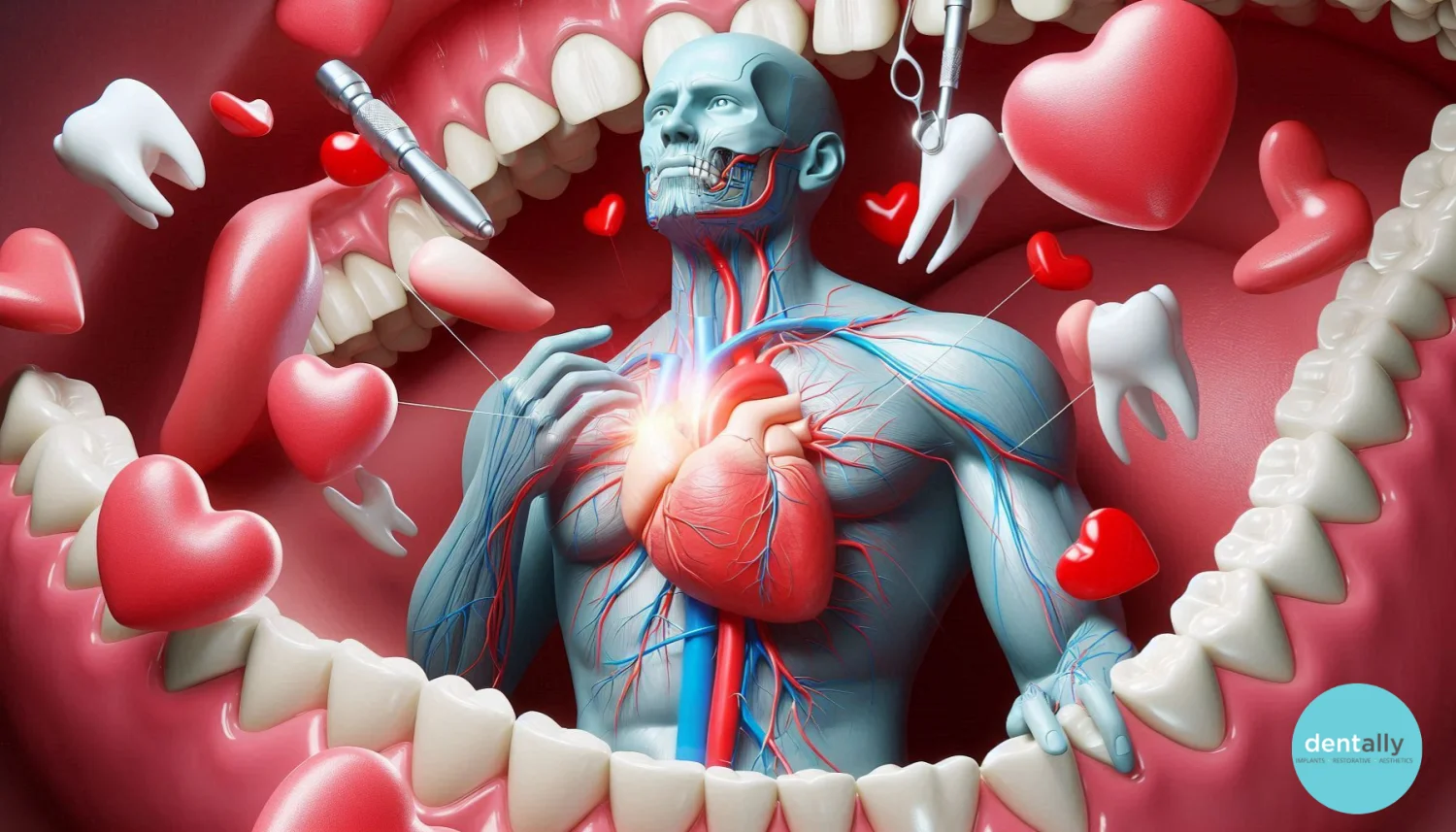
Maintaining oral health is crucial not only for your teeth and gums but also for overall wellness. Recent studies have increasingly highlighted a significant connection between gum disease (periodontitis) and heart disease. Understanding this link is essential for both preventive care and maintaining long-term health.
🧐 What is Gum Disease?
Gum disease, also known as periodontal disease, is a bacterial infection of the gums, ligaments, and bones supporting your teeth. It starts with gingivitis, characterized by redness, swelling, and bleeding gums, and can progress into periodontitis if left untreated, leading to tooth loss and systemic complications.
🫀 Understanding Heart Disease
Heart disease encompasses various cardiovascular issues, including coronary artery disease, heart attacks, strokes, and heart failure. It remains a leading cause of morbidity and mortality globally. Understanding contributing factors is key to effective prevention and management.
🔗 The Link Between Gum Disease and Heart Disease
Research has demonstrated several potential mechanisms linking gum disease to heart disease:
- Inflammation 🔥: Chronic inflammation caused by periodontal bacteria can spread through the bloodstream, contributing to inflammation within the cardiovascular system. Inflammation is known to be a significant factor in heart disease development.
- Bacterial Infection 🦠: Bacteria from infected gums can enter the bloodstream during chewing or brushing, potentially damaging blood vessels and increasing the risk of cardiovascular disease.
- Immune Response ⚔️: The body’s immune response to periodontal bacteria might cause arterial plaque buildup, leading to clogged arteries and heightened heart disease risks.
📌 Studies Supporting the Connection
Multiple studies indicate a correlation between periodontal and cardiovascular diseases:
- Individuals with gum disease have a higher risk of coronary artery disease.
- Periodontal disease is associated with increased risks of heart attack and stroke.
- Reducing gum inflammation through proper dental care can potentially decrease cardiovascular risks.
🚨 Signs and Symptoms of Gum Disease
Identifying gum disease early is critical:
- Red, swollen, or tender gums
- Bleeding gums during brushing or flossing
- Persistent bad breath
- Receding gums
- Loose or shifting teeth
✅ Preventing Gum Disease to Protect Your Heart
Taking proactive steps can protect both your oral and cardiovascular health:
- Regular Dental Visits: Schedule dental check-ups every 6 months for cleaning and early detection.
- Effective Oral Hygiene: Brush teeth twice daily, floss daily, and use antimicrobial mouthwash.
- Healthy Diet: Eat nutritious foods, limiting sugary snacks and beverages.
- Avoid Smoking: Tobacco significantly increases risks of gum disease and cardiovascular issues.
📆 Treatment and Management
Treating gum disease effectively reduces inflammation and cardiovascular risk:
- Professional Dental Cleaning: Regular scaling and root planing procedures help remove plaque and tartar buildup.
- Medication: Antibiotics and antimicrobial medications may help control bacterial infection.
- Surgical Treatment: Advanced cases may require gum surgery to repair damage.
🩺 Importance of Integrated Healthcare
The recognition of the oral-systemic connection underscores the importance of integrated care. Dentists and physicians should collaborate to manage patients' overall health, particularly for those at risk for cardiovascular conditions.
❓ Frequently Asked Questions (FAQs)
1. Can treating gum disease reduce my risk of heart disease? Yes, managing periodontal inflammation can significantly reduce systemic inflammation, potentially lowering cardiovascular risks. 2. Is gum disease directly responsible for heart attacks? While gum disease alone may not directly cause heart attacks, its associated chronic inflammation and bacteria can significantly contribute to cardiovascular risks. 3. Who is most at risk for gum-related heart disease? Individuals with chronic gum disease, smokers, diabetics, and people with poor oral hygiene have elevated risks. 4. How often should I see my dentist to prevent gum disease? Dentists typically recommend visits at least twice yearly for preventive care. More frequent visits may be necessary for high-risk patients. 5. Are there specific oral hygiene products recommended to reduce gum disease risk? Dentists recommend soft-bristle toothbrushes, fluoride toothpaste, floss, interdental cleaners, and antiseptic mouthwash for optimal oral hygiene. 6. Does flossing reduce the risk of heart disease? Regular flossing significantly reduces gum inflammation, potentially decreasing cardiovascular risk by reducing harmful bacteria in the bloodstream. 7. Can heart medications affect gum disease? Certain heart medications, such as calcium channel blockers, can cause gum overgrowth, emphasizing the importance of routine dental evaluations.
📌 Key Takeaways
- Gum disease significantly correlates with cardiovascular health.
- Maintaining proper oral hygiene reduces systemic inflammation.
- Collaborative care between dentists and physicians enhances overall patient health outcomes.
🌟 Conclusion
The connection between gum disease and heart disease highlights the importance of comprehensive health care. By prioritizing oral hygiene, regular dental check-ups
-
Other Blogs
- Dental Veneers: Before & After, Benefits, and Common Myths
- The Science Behind Smile Makeovers: What You Should Know
- Are Dental Implants and Metal-Ceramic Crowns Safe During an MRI?
- How Long Do Veneers Really Last?
- Why Do Dental Implants Fail? Causes, Warning Signs & How to Prevent It
- How Do I Know If I Need a Full Mouth Rehabilitation? A Comprehensive Clinical Guide
Make An Appointment
-
Other Blogs
- 🦷❤️ Gum Disease and Its Connection to Heart Disease
- Make Your Oral Health Better By Brushing Up On Dental Care Basics
- Some Of The Impotant FAQs On Dental Implants
- My Adult Tooth is Loose! What Should I Do? A Dentist's Emergency Guide
- WHY IS CHILDREN’S DENTAL CARE EXTREMELY IMPORTANT, Best Child Dentist in Delhi
- Smiling without a tooth? – It’s cute, but only on kids.
- Do’s and Don’ts Post A TOOTH EXTRACTION, Best tooth extraction in Delhi
- What to look for before consulting a dentist?
- Unveiling the Uncommon: Exploring Rare Dental Conditions and Their Treatment by Dentists in Delhi
- What Is the Most Serious Dental Disease? Uncovering the Silent Threats to Your Health
- How to Neutralize Acid in Your Mouth: A Guide to Restoring pH Balance for Oral Health
- Pros and Cons of Dental Implants: Making Informed Choices for Your Smile with Dentally.in
- The Science Behind Smile Makeovers: What You Should Know
- A Few Tips To Make Your Kid Feel More At Ease When Visiting The Dentist
- How expensive are veneers?
- How Dental Implants Can Also Improve Your Appearance?
- Dentist for Pregnant Women Near Me: Why Dental Care During Pregnancy is Crucial
- Why are my teeth yellow when i brush them everyday?
- Is teeth gap filling painful?
- Midnight Relief: 10 Effective Ways to Alleviate Toothache at Night and Insights into Dental Solutions in India
- Understanding Different Types of Tooth Stains and Effective Removal Methods
- Why Is My Gum Swollen Around One Tooth in the Back? A Guide to Causes & Solutions
- The ABCD's of a Child's Teeth
- Abscess in Gums: How to Treat It Effectively
- TOP REASONS WHY DENTAL IMPLANTS ARE IMPORTANT?
- Dental Implants for Diabetic Patients in India: A Guide to Safe & Successful Treatment
- Root Canal Treatment is Not Painful, Not getting It Done is!
- Restoring Dental Health: Comprehensive Full Mouth Reconstruction
- Heard about Holistic dentists? Holistic dentistry?
- The Surprising Answer: Which Sport Has the Highest Rate of Dental Injuries?
- 😁 Veneers in India vs. Australia: Cost, Quality & Results Compared
- Why We Use Straumann Implants: The Gold Standard in Restorative Dentistry
- ✈️ Top 5 Reasons Canadians, Australians & Americans Fly to India for Dental Implants
- What Is It Really Like to Eat With Full Dental Implants? Pros, Cons & Recover
- The Repercussions Of Neglecting A Tooth Pain
- Can You Drink Alcohol After a Dental Implant? A Surgeon's Guide to Safe Healing
- 🦷 How to Plan a Dental Trip to Delhi: Step-by-Step Guide for First-Timers
- Selenomonas sputigena: A New Player in Tooth Decay
- What is the most natural tooth replacement?
- How Smile Makeover Leaves A Positive Impact On Your Life?
- Invisalign for crooked teeth
- What Does Lemon Do to Teeth: The Effects, Risks, and Benefits
- Are Indian Dentists Certified for Invisalign Treatment? 🤔
- Why Do We Need Dental Implants & What They Do?
- What to do in tooth pain
- Best Countries for Dental Implants in 2026: A Comprehensive Guide
- Smile Alignment Made Easy: How to Straighten Your Teeth in India
- 🇺🇸🇦🇺 Why More Americans & Australians Are Choosing New Delhi and Gurugram for Dental and Medical Travel
- Plaque vs. Tartar: What’s the Difference and Why Does It Matter for Your Health?
- Can You Get a Dental Implant Years After Losing a Tooth? The Complete Guide