


How to Improve Your Dental Hygiene Routine for a Healthier Smile

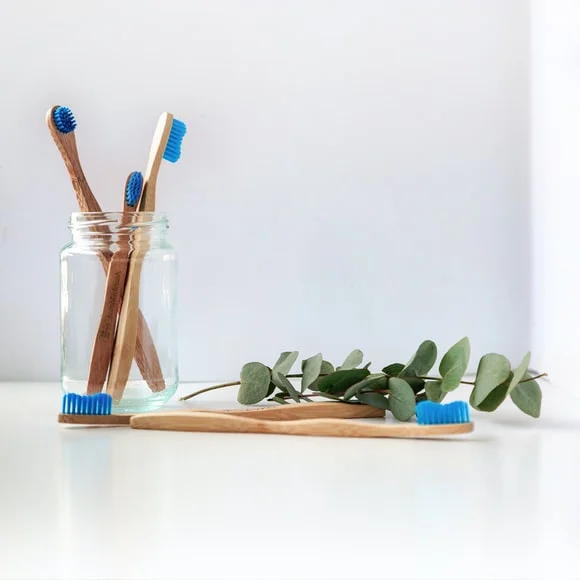
You’ve probably heard numerous times that a daily dental hygiene routine should include brushing two times a day and flossing once a day. While this is a good baseline, simply brushing and flossing may not be enough to keep your oral health in optimal shape. Here are some tips and tricks shared by the best dental clinic in Gurgaon to upgrade your dental hygiene so you can keep your teeth healthy between your 6-month cleaning appointments!
Table of Contents
- 5 Practical Ways to Upgrade Your Dental Hygiene Routine
- 1. Use an Electric Toothbrush
- 2. Ensure You’re Flossing Properly
- 3. Rinse Your Mouth After Flossing
- 4. Keep a Toothbrush in Your Office
- 5. Don’t Neglect Your Tongue
- Frequently Asked Questions
- Schedule Your 6-Month Professional Dental Cleaning & Hygiene Checkup
5 Practical Ways to Upgrade Your Dental Hygiene Routine
1. Use an Electric Toothbrush
An electric toothbrush is often considered more effective than traditional toothbrushes when used correctly. With an electric toothbrush, users do not have to brush back and forth—simply guide the brush through the quadrants of the mouth and the tiny vibrations do the cleaning. Especially if you tend to see more plaque and calcium build-up in your mouth, an electric toothbrush can be more effective in removing these particles daily. Many electric toothbrushes also have a built-in 2-minute timer to help keep you accountable!
2. Ensure You’re Flossing Properly
Flossing once a day is extremely important to your oral health. A toothbrush is only able to reach 60% of your teeth’s surfaces, and flossing is the only way to remove plaque and debris from the other 40%. However, flossing only provides a benefit to your oral health when done correctly. By not using a C-shape when flossing and not going far enough under the gums, flossing won’t remove the plaque hidden in between your teeth and under the gums.
3. Rinse Your Mouth After Flossing
It’s recommended by the best dental clinic in Delhi that patients floss before brushing their teeth so they can remove debris loosened during flossing, but the more important issue is to be sure you’re flossing at some point during the day. If you floss your teeth after you brush or at another point throughout the day, be sure to rinse with water afterward to flush your mouth of bacteria and debris that the floss loosened.
4. Keep a Toothbrush in Your Office
You never know when you may need to brush those pearly whites! If you have a lunch that results in food particles stuck in your teeth or know that you need to do a better job of brushing your teeth overall, it’s always good to keep an extra toothbrush around for emergencies.
5. Don’t Neglect Your Tongue
The tongue has millions of bacteria living on it and can contribute to bad breath and plaque build-up in the mouth. When you brush, be sure to gently brush your tongue as well to remove bacteria. You can also add a mouthwash to your daily routine to freshen your breath and kill bacteria. These tips will help you elevate your dental hygiene routine and keep your mouth healthier overall! If you ever have any questions about your hygiene routine, your hygienist is happy to help.
Whether you want to make sure you’re flossing correctly or have questions about what type of toothbrush to use, no question is too silly! The best dental clinic in India will take time to help you build an effective hygiene routine.
Frequently Asked Questions
1. How often should you brush and floss?
Brush at least twice a day with fluoride toothpaste, and floss at least once a day. Flossing works best when done before bed, when food and plaque have had the longest time to build up.
2. Is an electric toothbrush better than a manual toothbrush?
An electric toothbrush can remove more plaque than a manual brush when used correctly, especially for people who find it hard to brush thoroughly. A good manual brush used with the right technique also cleans well.
3. Should you floss before or after brushing?
Either order works, as long as you floss once a day. Flossing first can loosen debris that brushing then removes. Rinsing with water after flossing helps clear what the floss has dislodged.
4. How do you clean your tongue properly?
Gently brush the top of your tongue from back to front after brushing your teeth, or use a tongue scraper. This helps reduce bacteria that cause bad breath.
5. Is mouthwash necessary for good oral hygiene?
Mouthwash is not essential, but it can help freshen breath and reduce bacteria in hard-to-reach areas. It works best as an addition to brushing and flossing, not a replacement.
-
Other Blogs
- Smile Design and Personality: How to Get a Smile That Feels Like You
- Celebrity Smile Transformations: What Can Change a Smile's Look?
- What Makes a Celebrity Smile Truly Memorable?
- How a Smile Shapes a Celebrity's Public Image
- 10 Celebrity Smiles We Can't Forget, and Why They Work
- Dental Veneers: Before & After, Benefits, and Common Myths
Make an Appointment
-
Other Blogs
- Digital Dentistry: Revolutionizing Oral Care with the Best Dentist in India
- Dental Braces – Know Their Significance And Risks
- Dentists warn against using DIY dental care products
- Celebrity Smile Transformations: What Can Change a Smile's Look?
- A Glimpse of Dental Implants Benefits
- Dealing with Teeth Pain: Causes, Home Remedies, and When to Seek a Dentist
- The Surprising Answer: Which Sport Has the Highest Rate of Dental Injuries?
- When do we need Dental Implant Surgery?
- Managing Dental Anxiety: Tips for a Stress-Free Dental Visit
- The Ultimate Guide: Which Dental Offices Provide Dental Implant Services in My Area?
- Sleep Apnea and Oral Health: How Your Dentist Can Help
- Preserving Natural Teeth with Root Canal Therapy
- Advice on How to Smile Your Best
- 10 Celebrity Smiles We Can't Forget, and Why They Work
- Does Tooth Implant Have Side Effects? Understanding the Risks and Benefits 🦷⚖️
- Why Is My Tooth Loose but Still Attached?
- Do You Have Acid Erosion on Your Teeth? A Comprehensive Guide
- Types Of Dental X-rays – Intraoral And Extraoral
- How to Overcome Mask Anxiety: Understanding Mask Mouth, Breath Concerns, and More
- 10 Things I Wish I Knew Before Getting Dental Implants: A Patient's Guide
- Top Reasons Why to Select The Best Dentist
- Where Should I Get My Full Mouth Dental Implants Done in India?
- Bad Breath (Halitosis): Causes and Ways to Maintain Fresh Breath
- Navigating Invisalign: Addressing Pain and Discomfort with Comfort and Confidence
- What Your Saliva pH Reveals About Your Oral Health
- Missing Teeth Problem and Its Treatment
- A Comprehensive Guide to Mini Dental Implants: Benefits, Procedure, and FAQs
- Dent Ally Recognized Among Top Companies in Global Dental Tourism Market by The Business Research Company
- Why India is the Best Destination for Full Mouth Dental Implants
- My Adult Tooth is Loose! What Should I Do? A Dentist's Emergency Guide
- What Effects does Your Oral Health Have on Your General Health?
- Why One Should have Need To Visit The Dentist Twice in a Year?
- Best Countries for Dental Implants in 2026: A Comprehensive Guide
- The Many Benefits of Having a Family Dentist
- The Science Behind Smile Makeovers: What You Should Know
- Why are my teeth yellow when i brush them everyday?
- Exploring Affordable Dental Implants: The Cheapest Countries for Your Dental Health
- 😁🦷 Clear Aligners for Teeth: The Modern Way to Straighten Your Smile in India
- What to Do When You Have a Painful Cavity
- Get The More Information On Dental Implants
- Midnight Relief: 10 Effective Ways to Alleviate Toothache at Night and Insights into Dental Solutions in India
- What Is Menstruation Gingivitis? How Women's Periods Affect Gum Health
- Is A RCT painful?
- How long does a dental implant take to finish?
- Why You Need Dental Implants: Cost, Process & What to Expect
- Summertime Dental Health Advice
- Transforming Smiles and Lifestyles: A Comprehensive Guide to Invisalign Treatment
- Anodontia – Dental Causes, Diagnosis, And Treatment
- 🦷 How Oral Health Affects Your Well-Being: 6 Reasons Why Good Dental Care Matters
- 3 Reasons Why You Shouldn’t Feel Jittery About Dental Implants