


Will Braces Change My Face Shape? The Truth About Orthodontics and Facial Symmetry

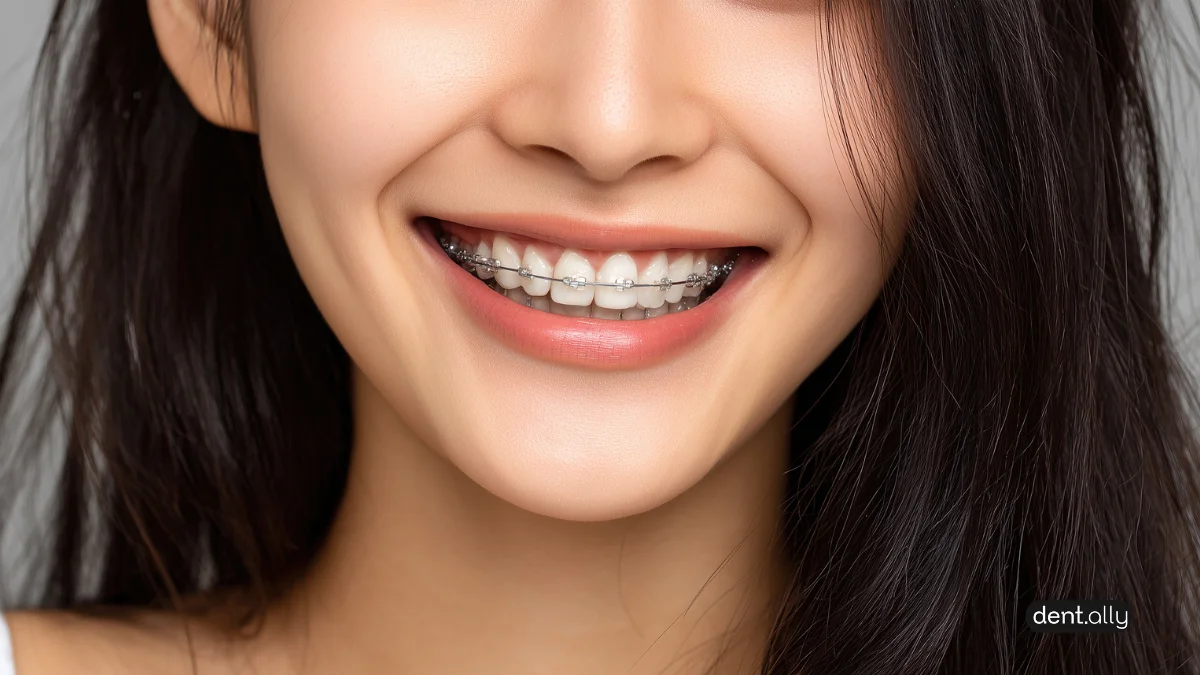
When you sit in the orthodontist’s chair for the first time, your mind is likely buzzing with questions. How long will the treatment take? Will it hurt? What kind of maintenance is required? But for many patients—especially adults and self-conscious teens—there is one burning question that overshadows the rest: Will braces change my face shape?
Table of Contents
- The Science Behind the Change: Anatomy and Bone Remodeling
- Specific Ways Braces Alter Your Face Shape
- 1. Correcting an Overbite (The "Weak Chin" Fix)
- 2. Correcting an Underbite (Softening a Prominent Jaw)
- 3. Correcting an Open Bite (Elongated Face Adjustment)
- 4. Enhancing Cheek Contours and Symmetry
- 5. Lip Posture and Fullness
- The Age Factor: Do Braces Affect Adults Differently Than Teens?
- Children and Adolescents
- Adults
- Addressing the "Braces Face" Myth
- Oral Health: The Foundation of Facial Aesthetics
- What Happens When Braces Aren't Enough: Addressing Missing Teeth
- Conclusion: Embracing the Transformation
It is a valid concern. After all, your smile is the focal point of your face, and your teeth serve as the underlying foundation for your lips, cheeks, and jawline.
The short answer to this question is yes—braces can absolutely alter the shape of your face. However, these changes are usually subtle, highly beneficial, and designed to bring your facial features into better harmony. Braces do much more than simply push crooked teeth into a straight line; they correct the way your upper and lower jaws fit together, which in turn affects the soft tissues that drape over them.
In this comprehensive guide, we will dive deep into the science of orthodontics and facial aesthetics. We will explore exactly how braces impact your jawline, cheekbones, and lips, how age plays a role in these transformations, and why the ultimate goal of orthodontic treatment is to enhance your natural beauty.
The Science Behind the Change: Anatomy and Bone Remodeling
To understand how a metal bracket or a clear aligner can change the way your face looks, you have to understand the anatomy of the lower half of your skull. Your teeth do not float aimlessly in your mouth; they are securely anchored into your jawbone by a fibrous, hammock-like structure called the periodontal ligament.
Your facial soft tissues—meaning your lips, cheeks, and the skin around your mouth—rest directly on top of your teeth and jawbones. Think of your teeth and jaw as the structural framing of a house, and your skin and lips as the drywall. If you move a structural wall inside the house, the exterior shape of the room inevitably changes.
When braces apply gentle, continuous pressure to your teeth, it triggers a biological process known as bone remodeling. The pressure causes the bone tissue on one side of the tooth root to break down (resorption) while new bone is built on the opposite side (deposition). As the teeth slowly migrate to their new, optimal positions, the jawbone literally reshapes itself around them.
Because the underlying hard tissue is changing, the soft tissue resting on top of it must adapt. This is why modern orthodontics is not just about creating a straight row of teeth; it is "face-driven." A skilled orthodontist evaluates your profile, the symmetry of your features, and how your lips meet, planning tooth movements that will optimize your entire facial structure.
Specific Ways Braces Alter Your Face Shape
The degree to which your face changes depends entirely on the type of malocclusion (bite misalignment) you have. Here is a breakdown of how correcting different bite issues can transform your facial profile:
1. Correcting an Overbite (The "Weak Chin" Fix)
An overbite occurs when your upper front teeth protrude significantly further forward than your lower teeth. A severe overbite often forces the lower jaw to sit too far back. From a profile view, this can make the chin look recessed, weak, or "tucked in," and the upper lip may appear stretched or overly prominent.
When braces and elastics are used to correct an overbite, the upper teeth are brought back, and the lower jaw is encouraged to shift forward into a proper resting position. This realignment can dramatically improve the side profile. Patients often find that their chin appears stronger and more defined, giving the jawline a sharper, more balanced look.
2. Correcting an Underbite (Softening a Prominent Jaw)
An underbite is the exact opposite of an overbite; the lower jaw and teeth protrude out past the upper teeth. A severe underbite can make the lower jaw look overly large or harsh, creating a "bulldog" appearance. It can also make the upper lip look sunken and flat.
By shifting the lower teeth backward and the upper teeth forward, braces restore the natural overlap of the bite. This softens the appearance of the lower jaw, making it look less aggressive and more harmonious with the rest of the face. The upper lip is also pushed slightly forward, restoring fullness to the mid-face.
3. Correcting an Open Bite (Elongated Face Adjustment)
In an open bite, the upper and lower front teeth do not touch when the mouth is closed. People with open bites often have to stretch their lips forcefully to close their mouths completely, which can create a strained look around the mouth and an elongated appearance to the lower third of the face.
As braces close the bite, bringing the teeth together vertically, the patient no longer has to strain their lips to close their mouth. The face often appears slightly more compact, relaxed, and perfectly proportional.
4. Enhancing Cheek Contours and Symmetry
Misaligned teeth or a narrow upper palate can create the illusion of sunken, hollow cheeks. If the upper dental arch is too narrow, the cheeks lack the underlying support they need to look full and youthful.
Orthodontic treatments often involve widening the upper arch. As the arch widens to properly accommodate all the teeth, the cheek tissues are pushed slightly outward. This can give the illusion of stronger, more distinct cheekbones. Furthermore, severe crowding or crossbites can cause a person to chew unevenly, leading to asymmetrical muscle development in the jaw. By correcting the bite, braces allow for even chewing, balancing the facial muscles and improving overall facial symmetry.
5. Lip Posture and Fullness
Your lips rest directly against your front teeth. If your front teeth are misaligned, your lips will be, too. Protruding front teeth can make the lips look stretched or unnaturally large, while teeth that tilt inward can make the lips look thin and non-existent. As braces move the teeth into a perfect, upright position, the lips are naturally supported. Many patients notice that their lips look fuller, more even, and more relaxed after their braces come off.
The Age Factor: Do Braces Affect Adults Differently Than Teens?
One of the most frequently asked questions is whether adult patients will experience the same facial transformations as younger patients. The short answer is no, but that does not mean adults won't see any changes.
Children and Adolescents
In children and young teenagers, the jawbones and facial structures are still actively growing and developing. This makes the bones highly malleable. Orthodontists can actually use appliances (like palatal expanders) in conjunction with braces to guide the growth of the jawbones. Because the orthodontist is actively shaping a growing face, the structural changes achieved in youth can be incredibly profound and permanent.
Adults
In adults, the skeletal structure is fully mature and fused. Braces cannot stimulate jawbone growth or alter the fundamental skeletal structure of an adult face. However, adults can still experience highly noticeable, positive changes to their face shape.
Even though the adult jawbone isn't growing, the teeth are still moving. As the teeth shift, the soft tissues (lips and cheeks) draping over them adjust accordingly. Correcting a severe overbite in an adult will still improve the posture of the lips and the resting position of the lower jaw. Expanding a narrow arch dentally will still provide better support for the cheeks. While the changes in an adult are more about soft tissue draping than skeletal modification, the resulting improvement in facial balance, jawline definition, and profile symmetry is very real.
Addressing the "Braces Face" Myth
If you spend enough time researching orthodontics online, you might stumble across the term "braces face" or concerns about braces ruining a facial profile by making the cheeks look sunken or the face look gaunt. It is important to separate fact from fiction.
First, a temporary "gaunt" look can sometimes happen in the early months of wearing braces, but it is rarely due to bone changes. When patients first get braces, their teeth are sore, and their diet usually changes dramatically. They eat softer foods, chew less vigorously, and sometimes consume fewer calories. This can lead to minor weight loss and a temporary reduction in the masseter (chewing) muscles. Once the patient adapts to the braces and resumes normal chewing habits, the muscle tone and facial volume return.
Secondly, modern "face-driven" orthodontics specifically aims to preserve facial volume. In the past, it was very common to extract premolars to create space for crowded teeth, which sometimes led to a "dished-in" profile or thinner lips. Today, orthodontists use advanced technologies (like clear aligners and self-ligating brackets) to expand the arches and create space without removing teeth whenever possible, preserving the natural fullness of the face.
Oral Health: The Foundation of Facial Aesthetics
While we are focusing heavily on the cosmetic impact of braces, it is impossible to separate facial aesthetics from foundational oral health. You cannot build a beautiful house on a crumbling foundation, and you cannot achieve a balanced, stunning facial profile if your teeth and gums are diseased.
Before any ethical orthodontist puts braces on your teeth, they will require a comprehensive dental exam. Active gum disease or untreated decay must be addressed first. For instance, if you have noticed dark, unsightly discoloration or black lines on teeth near your gumline, this could be a sign of advanced tartar buildup or decay creeping under the enamel. Trying to move teeth that are plagued by active decay or surrounded by infected gums can lead to disastrous consequences, including the permanent loss of the tooth. Ensuring your mouth is pristine and healthy is the first required step on your orthodontic journey.
What Happens When Braces Aren't Enough: Addressing Missing Teeth
Orthodontics works wonders for aligning the teeth you have, but what happens to your face shape when teeth are missing entirely?
Losing teeth is one of the most destructive things that can happen to your facial structure. When a tooth is extracted and not replaced, the jawbone in that area no longer receives the stimulation of chewing. Without this stimulation, the body assumes the bone is no longer needed and begins to resorb (melt away) the jawbone. Over time, this bone loss causes the cheeks to sink inward and the lower face to collapse, leading to a prematurely aged appearance.
Braces cannot conjure a tooth out of thin air, nor can they stop bone loss in an empty socket. If you are missing teeth, your orthodontist will often work in tandem with an oral surgeon or prosthodontist to create a comprehensive treatment plan. Braces can be used to open up the exact amount of space needed in your arch, and then the missing spaces can be filled with dental implants.
Dental implants are the only tooth replacement option that mimics the root of a natural tooth. By surgically placing a titanium post into the jawbone, the implant provides the critical stimulation the bone needs to stay dense and strong. By combining the alignment power of braces with the structural preservation of implants, patients can restore full facial volume, prevent the "sunken face" look of tooth loss, and achieve a flawless, complete smile.
Conclusion: Embracing the Transformation
So, will braces change your face shape? Yes, but you shouldn't fear the change. The transformations brought about by orthodontic treatment are meticulously planned, biologically driven, and overwhelmingly positive.
Braces do not change who you are; they reveal the most balanced, symmetrical, and harmonious version of your natural features. By correcting an overbite, an underbite, or severe crowding, orthodontics can give you the strong jawline, the distinct cheekbones, and the full lips that your misaligned bite was hiding.
Whether you are a teenager whose facial structure is still blooming or an adult seeking to finally correct a lifelong insecurity, braces offer profound benefits that go far beyond straight teeth. The journey requires patience, commitment, and excellent oral hygiene, but the result—a stunning, healthy smile set perfectly within a balanced, beautiful face—is an investment that will pay dividends for the rest of your life.
-
Other Blogs
- Dental Veneers: Before & After, Benefits, and Common Myths
- The Science Behind Smile Makeovers: What You Should Know
- Are Dental Implants and Metal-Ceramic Crowns Safe During an MRI?
- How Long Do Veneers Really Last?
- Why Do Dental Implants Fail? Causes, Warning Signs & How to Prevent It
- How Do I Know If I Need a Full Mouth Rehabilitation? A Comprehensive Clinical Guide
Make an Appointment
-
Other Blogs
- Diet and Oral Health: Navigating the Nexus Between Nutrition and Dental Well-being
- Dentists warn against using DIY dental care products
- A Smile Makeover & the Taj Mahal: How to Combine Your Dental Treatment with a Golden Triangle Tour in India
- Are Indian Dentists Certified for Invisalign Treatment? 🤔
- What differentiates cosmetic dentistry from normal dentistry?
- Parts of your Teeth
- Elevating Smiles: Exploring the Diverse Advantages of Dental Implants
- Exploring Affordable Dental Implants: The Cheapest Countries for Your Dental Health
- Types Of Dental X-rays – Intraoral And Extraoral
- WHY IS CHILDREN’S DENTAL CARE EXTREMELY IMPORTANT, Best Child Dentist in Delhi
- Is teeth gap filling painful?
- A Few Tips To Make Your Kid Feel More At Ease When Visiting The Dentist
- 3 Causes Of Throbbing Tooth Pain You Need To Know
- 🦷 How Oral Health Affects Your Well-Being: 6 Reasons Why Good Dental Care Matters
- Everything to Know About Invisible Aligners For Dental Solutions
- Important Do's and Don'ts for Pregnant Women
- What Happens If Half of Your Tooth Breaks Off?
- IS IT SAFE TO VISIT A DENTAL CLINIC FOR TREATMENT POST COVID-19 LOCKDOWN?
- What Is the Most Serious Dental Disease? Uncovering the Silent Threats to Your Health
- Things to Consider While Choosing a Dental Practice
- Why India is the Best Destination for Full Mouth Dental Implants
- Tongue Color Reveals Your Dental Health Problem
- Root Canal Treatment is Not Painful, Not getting It Done is!
- Seeing Black Lines on Your Teeth? It Might Not Be a Cavity. A Dentist Explains.
- Have Missing Teeth? Here is all that you need to know about getting the smile you wanted.
- People Who Receive Periodontal Care Have Better Outcomes After Heart Attack
- Understanding Tooth Loss: Causes, Impact, and Modern Solutions
- Can I Eat After a Root Canal?
- Passage of the National Dental Commission Bill 2023: A Landmark Moment in Dentistry
- New Revolutionary Way to Keep Your Mouth Healthy
- Senior Dental Care in Delhi: Nurturing Smiles through Specialized Care
- Why Regular Dental Check Ups are a True Investment?
- Is it Hard to Talk With All Four Dental Implants?
- Can Teeth Regrow? The Truth About Natural Tooth Regeneration
- Braces Treatment : Why, When and How
- 7 Dental Specialties You Should Know
- How Smile Makeover Leaves A Positive Impact On Your Life?
- How to Overcome Mask Anxiety: Understanding Mask Mouth, Breath Concerns, and More
- Which Dental Veneer Should You Choose?
- Diastema – 5 Ways To An Effective Treatment
- How Teeth Deep Cleaning Prevents Severe Gum Disease
- Missing Teeth Problem and Its Treatment
- The Hidden Power of a Professional Teeth Cleaning: Why Your Smile Needs More Than Just Brushing
- Here Is the Reasons to Visit the Dentist Every 6 Months
- What Should You Do About a Wisdom Tooth Cavity?
- How To Keep Up Your Dental Health During the Outbreak Of COVID-19?
- Can I Wait 6 Months to Fill a Cavity? Understanding the Risks and Consequences
- Different Types of Braces and their Costs
- 🇦🇺 Dent Ally Reviews: What Australian Patients Say About Dental Implants in India
- What is the most natural tooth replacement?