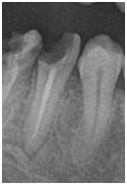
When severe tooth decay or trauma strikes, the thought of losing a tooth can be daunting. Fortunately, modern dentistry offers a highly effective way to save heavily damaged teeth: Root Canal Treatment (RCT). At Dent Ally, recognized as one of the premier dental practices in the city, we have transformed this traditionally feared procedure into a comfortable, stress-free experience. If you are looking for the best root canal treatment in Delhi, our team of specialized endodontists is here to relieve your pain and preserve your natural smile.
When is Root Canal Treatment Advised?
A tooth is made up of three main layers: the hard outer enamel, the middle dentin, and the innermost layer called the pulp. The pulp contains vital nerves, blood vessels, and connective tissue.
A root canal treatment is medically advised when a bacterial infection has bypassed the protective upper layers and penetrated deep into this pulpal chamber. This usually happens due to a severe, untreated cavity, a cracked tooth, or dental trauma. When the pulp becomes infected or inflamed, a root canal is the absolute best treatment modality to save the tooth. Ignoring this condition allows the infection to multiply, potentially spreading into the surrounding jawbone, forming painful abscesses, and ultimately leaving tooth extraction as the only remaining option.
Common Symptoms That Indicate You Need an RCT
Do not ignore what your mouth is telling you. The most common symptoms that may indicate the need for endodontic intervention include:
-
Severe Tooth Pain: The intensity of the pain can range from a dull, mild ache to severe, throbbing pain. It may lessen or intensify throughout the day, spontaneously wake you up at night, or worsen specifically when you bite down or apply pressure to the tooth.
-
Prolonged Sensitivity: You may experience sharp, lingering pain when consuming hot or cold foods and liquids, even long after the temperature stimulus has been removed.
-
Swollen and Tender Gums: The gums surrounding the affected tooth may feel tender to the touch, appear red and swollen, or even develop a small pimple-like bump (abscess).
-
Food Lodgement: A regular complaint of food frequently getting stuck in a deep cavity between teeth can be a precursor to pulpal infection.
-
Foul Taste & Smell: Some patients notice a persistent bad breath or a foul taste in their mouth, which is often due to pus draining from the infected root into the oral cavity.
What Does a Root Canal Look Like at Dent Ally?
The outdated myth that root canals are agonizingly painful is based entirely on hearsay from decades past, or from procedures performed by non-specialists using older techniques.
Today, root canal treatment is a virtually pain-free procedure. You can be entirely confident of this by visiting Dent Ally, where we specialize in pain relief dentistry. When you come in for your appointment, our specialist endodontist will thoroughly examine your tooth, taking high-definition digital X-rays to accurately diagnose the root cause of your discomfort. Depending on the extent of the infection, your specialist will either proceed with a highly precise RCT or recommend a less invasive alternative if the pulp is still reversible.
Why Dent Ally is the Ideal Choice for Your Root Canal Treatments
-
Specialist Endodontists Only: General dentists do not perform complex root canals at our clinic. Your treatment is exclusively handled by endodontists who have dedicated years of advanced training to master the art of root canal therapy.
-
Single-Sitting Root Canals: With advanced rotary instruments and apex locators, we can often complete your root canal safely and effectively in just one single visit, saving you time and hassle.
-
Microscopic Precision: We utilize advanced magnification tools to ensure no microscopic infected canals are missed, guaranteeing a permanent, successful outcome.
Preventive Care: How to Avoid Root Canal Treatments
While we make RCTs easy, preventing them is always better. You can protect your teeth by:
-
Proper Brushing: Brushing twice a day with the correct technique using fluoride toothpaste.
-
Regular Check-ups: Visiting us for general dentistry check-ups every six months.
-
Dietary Choices: Minimizing the intake of highly sugary, sticky, and acidic foods.
-
Early Action: Seeking immediate treatment for minor tooth decay or mild sensitivity before it reaches the nerve.
Frequently Asked Questions (FAQs)
I’m worried about X-rays. Can we avoid taking them for a root canal? X-rays are absolutely necessary to map the roots of your tooth during endodontic treatment. However, there is no need to worry. Dent Ally uses an advanced non-film computerized system called digital radiography (RVG). This state-of-the-art technology produces radiation levels up to 90% lower than conventional dental X-ray machinery.
My tooth isn’t bothering me anymore, why do I still need a root canal? Just because a tooth has stopped hurting does not mean it is no longer infected. Often, the nerve inside the tooth simply dies, temporarily stopping the pain signals. However, the infection continues to spread silently into the bone. Many root canal infections are asymptomatic and discovered through routine radiographs. Our endodontists will show you the exact clinical findings to explain why intervention is necessary.
Would extraction be a better, quicker alternative? Saving your natural teeth should always be your top priority. Nothing looks, feels, or functions quite like your natural tooth. While extracting a tooth might seem like a quick fix, it leads to bone loss and shifting of adjacent teeth. Replacing that extracted tooth with a bridge or dental implants in Delhi is ultimately more expensive and invasive than simply saving the tooth with a cost-effective root canal.
How long does a root canal take? The duration depends on the severity of the infection and the anatomy of the tooth (molars have more canals than front teeth). Typically, the appointment lasts between 1 to 2 hours. Because we utilize the latest technology, we can complete most treatments efficiently in a single sitting.
What happens after my root canal is done? Once the infection is removed and the roots are sealed, the ailing tooth immediately starts healing. Because a root-canal-treated tooth loses its internal blood supply, it can become brittle over time. Therefore, you will be advised to get a custom dental crown placed over the tooth to protect it and restore its full chewing strength.
Is the treatment expensive? Dent Ally offers a highly specialist approach that is incredibly economical given the premium quality of care delivered. Saving your tooth is a one-time investment that is significantly cheaper than the alternatives. We also provide interest-free EMI options to ensure your dental health never becomes a financial burden.
The Importance of Doing it Right: Faulty vs. Correct RCT
A root canal requires immense precision. An incompletely cleaned canal or a faulty seal done by an inexperienced practitioner will inevitably lead to re-infection, severe pain, and the need for a complex "Re-RCT" months or years down the line.
At Dent Ally, a Correct RCT means utilizing 3D cleaning protocols, bio-ceramic sealers, and specialist expertise to ensure the infection is eradicated completely the very first time. Trust your teeth to the experts. Schedule your consultation today and take the first step toward a pain-free life!