


Advancements in Dental X-Rays: Safeguarding Dental Health in India with Improved Technology
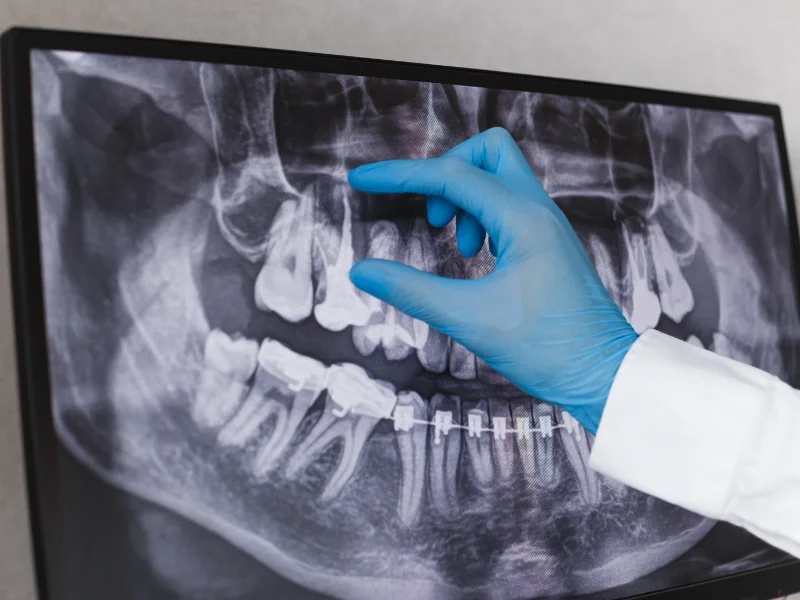
For decades, dental X-rays have been a cornerstone in the diagnosis and treatment of oral health issues. Their significance in detecting tooth decay, infections, and other dental anomalies is invaluable. However, their use has often been shadowed by concerns regarding radiation exposure. Fortunately, with remarkable technological strides, dental X-rays have undergone a transformation, ensuring they are now safer and more efficient than ever before.
These advancements are not only revolutionizing the field of dentistry globally but also significantly benefiting the landscape of oral healthcare in India. The traditional film X-rays, once a primary tool for dental imaging, have gradually given way to the more contemporary digital X-rays. This transition stems from the perpetual pursuit of enhancing patient care and safety. One primary concern with conventional X-rays was the level of radiation exposure.
How digital imaging supports diagnosis
In contrast, modern digital X-rays significantly reduce this exposure. In India, where dental health is of paramount importance and the demand for top-notch dental care is ever-increasing, these technological advancements are pivotal. India's top dentists are at the forefront of adopting and implementing these novel technologies. The shift to digital X-rays aligns with their commitment to providing patients with the highest standard of care.
Digital imaging can support clearer, faster diagnosis while allowing exposure to be tailored to the clinical need. It does not remove radiation risk altogether; the dentist should request an image only when it is expected to help diagnosis or treatment planning.
The significance of this innovation cannot be overstated in a country like India, where the population seeking dental care is vast and diverse. Moreover, the clarity and precision of digital X-ray imaging empower India's top dentists to discern even the minutest dental irregularities. This proficiency allows for early detection of dental problems that might have been overlooked in the past.
Consequently, prompt and precise treatment can be initiated, potentially preventing the escalation of oral health issues. In addition to enhancing patient care, the digital nature of these X-rays streamlines the process. Images can be instantly viewed, stored, and transmitted electronically. This expedites communication between dental specialists, facilitating collaborative care and enabling patients to receive timely and well-coordinated treatments.
Imaging for dental implant planning
When three-dimensional information is needed, CBCT can help the dentist assess bone and nearby structures before a dental implant procedure. The scan is selected according to the clinical question and should not be treated as a routine upgrade for every patient.
Patients considering dental implants in Delhi can ask which imaging is needed and how it will influence their treatment plan.
Using X-rays only when needed
Advanced imaging is useful when it answers a clinical question. Moving from film to digital imaging can improve the workflow, but equipment alone does not guarantee a better outcome. Appropriate image selection, interpretation and treatment planning remain essential.
India's top dentists are actively embracing these advancements, recognizing their pivotal role in elevating the standard of dental care across the country. This transformative technology not only minimizes radiation exposure but also enhances the precision of diagnoses, ultimately leading to more effective and efficient treatment. The future of dental care in India is brighter and safer, thanks to these innovative strides in dental X-ray technology.
Frequently asked questions
Are digital dental X-rays safe?
They use ionising radiation, so each image should be clinically justified and exposure kept appropriately low. Digital equipment can reduce dose compared with conventional film, but does not make imaging risk-free.
How often should I have dental X-rays?
There is no single schedule for everyone. Your dentist considers symptoms, examination findings, decay risk and earlier images before deciding whether another X-ray is needed.
Can I have a dental X-ray while pregnant?
Tell your dentist if you are pregnant or may be pregnant. Necessary dental imaging can be considered during pregnancy; the clinician should explain why it is needed and use appropriate precautions.
What is the difference between an OPG and a CBCT scan?
An OPG is a two-dimensional panoramic image. CBCT provides three-dimensional information and is used when that additional detail is needed for diagnosis or treatment planning.
Do I need a CBCT scan before dental implants?
Your implant dentist decides which imaging is required to assess bone and nearby structures. CBCT can help with three-dimensional planning, but should be selected for a clinical reason.
Can I give a new dentist my previous X-rays?
Yes. Ask your previous clinic for the images and relevant reports. Usable earlier images may help the new dentist avoid unnecessary repeat imaging.
-
Other Blogs
- Dental Veneers: Before & After, Benefits, and Common Myths
- The Science Behind Smile Makeovers: What You Should Know
- Are Dental Implants and Metal-Ceramic Crowns Safe During an MRI?
- How Long Do Veneers Really Last?
- Why Do Dental Implants Fail? Causes, Warning Signs & How to Prevent It
- How Do I Know If I Need a Full Mouth Rehabilitation? A Comprehensive Clinical Guide
Make An Appointment
-
Other Blogs
- How To Keep Up Your Dental Health During the Outbreak Of COVID-19?
- FAQs On Root Canal Procedure
- From Baby Teeth to Adult Loss: What Age Do Teeth Fall Out & Why It Matters
- 🥦🦷 Fluoride-Rich Foods for Stronger Teeth: A Dentist-Recommended Guide in India
- The Connection Between Oral Health and Overall Well-being
- Dental Implant Complications: Understanding Risks and Navigating Safe Practices in India
- Dental Bridge vs Implant: What’s the Best Option for You? 🦷⚖️
- Thinking About Dental Implants? Here's Why They're Worth It
- Digital Dentistry Advancements in Delhi: Pioneering Precision and Innovation
- The Longevity of Dental Implants: How Long Do They Last?
- Invisible Braces
- Why India is the Best Destination for Full Mouth Dental Implants
- The ABCD's of a Child's Teeth
- What Is The Importance Of The Dental Clinic In India?
- Gingivitis – Cause, Symptoms, And Treatment
- Midnight Relief: 10 Effective Ways to Alleviate Toothache at Night and Insights into Dental Solutions in India
- The Impact of Drinking Beverages from Cans on Tooth Decay: Risks and Prevention
- 🦷❤️ Gum Disease and Its Connection to Heart Disease
- Know Your Teeth
- How to Cure Gingivitis in a Week: Your Guide to Healthy Gums
- 🦷 What to Expect When You Travel to India for Dental Work: Full Timeline & Tips
- How Smile Makeover Leaves A Positive Impact On Your Life?
- Optical Detection of Endodontic Infection: A Game-Changer in Dental Care
- 🦷 How Oral Health Affects Your Well-Being: 6 Reasons Why Good Dental Care Matters
- Elevating Smiles: Exploring the Diverse Advantages of Dental Implants
- The Aging Smile: How Time Changes Your Teeth and How to Protect Them for a Lifetime
- Bruxism Treatment and Diagnosis
- Mouth Cancer: Factors, Symptoms, and Prevention
- What to do in tooth pain
- How long to wait between tooth extraction and implant?
- Can Stress Affect My Teeth
- SHOULD YOU GO TO THE DENTISTDURING THE CORONAVIRUS PANDEMIC?
- Understanding Regional Odontodysplasia: Causes, Symptoms, and Treatment
- How to Get Rid of Jaw Pain on One Side: Causes, Treatments, and Tips 🦷
- Is India a Good Place for Dental Treatment?
- Why Do We Need Dental Implants & What They Do?
- Transform Your Gummy Smile: A Complete Guide to Causes & Modern Treatments
- New Revolutionary Way to Keep Your Mouth Healthy
- 😁 What is the Cost of Invisalign in India?
- Does Tooth Implant Have Side Effects? Understanding the Risks and Benefits 🦷⚖️
- Understanding Different Types of Tooth Stains and Effective Removal Methods
- How Remote AI Monitoring is Reducing Dental Chair Time for Invisalign Patients
- Passage of the National Dental Commission Bill 2023: A Landmark Moment in Dentistry
- Tips For Keeping Your Kid's Oral Health Protected
- 🦷🧠 The Hidden Link: How Neglecting Oral Health Affects Your Mental Well-Being
- Unbeatable Tricks To Maintain The Oral Hygiene
- Do’s and Don’ts Post A TOOTH EXTRACTION, Best tooth extraction in Delhi
- New Age Root Canal Treatment At Dent Ally
- Seeing Black Lines on Your Teeth? It Might Not Be a Cavity. A Dentist Explains.
- Nurturing Healthy Smiles: The Power of Positive Habits for Dental Wellness