


What Is Hypodontia? Causes And Treatments For Missing Teeth
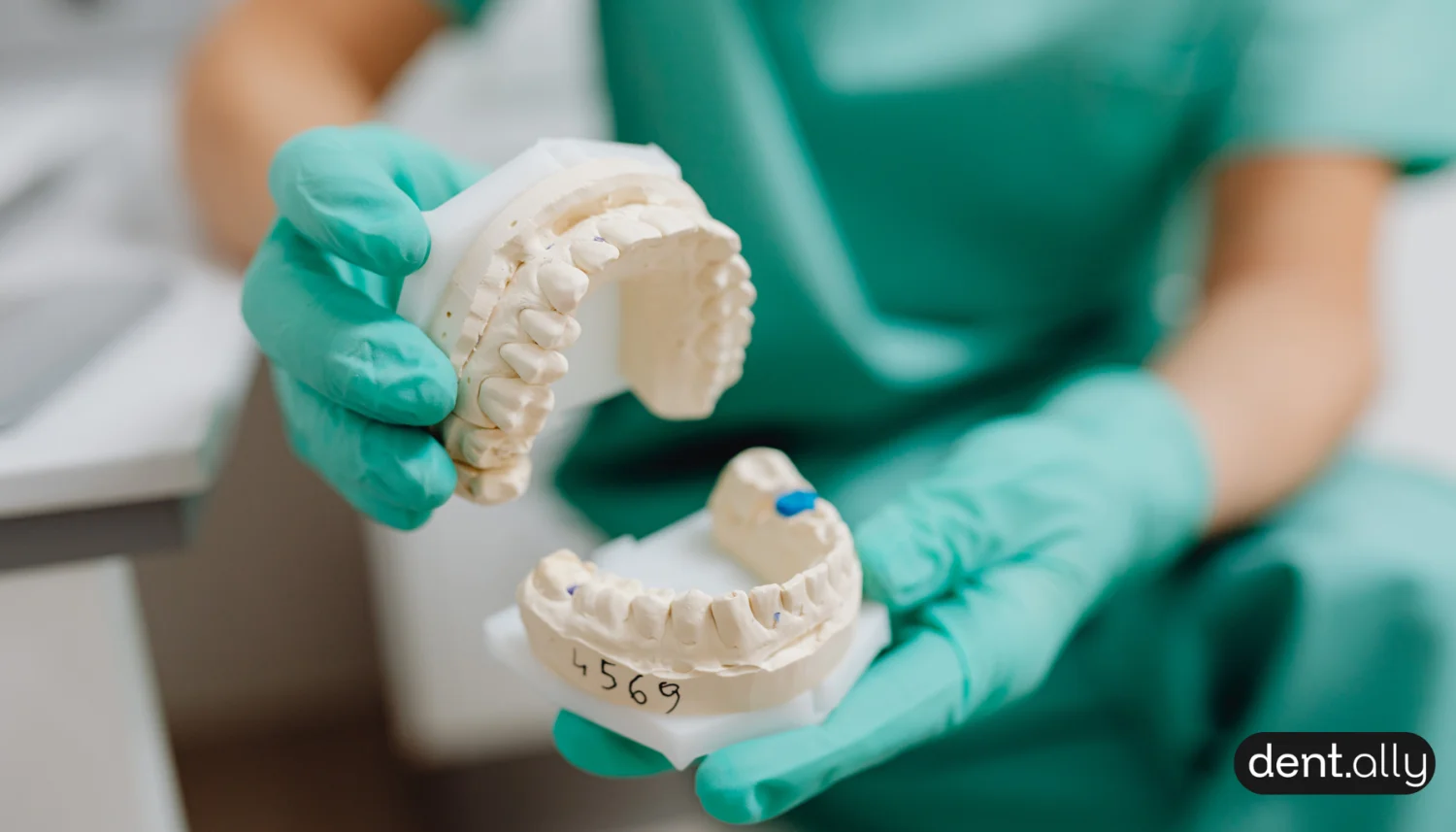
What is hypodontia? Hypodontia is a congenital condition where a person is born missing one to six permanent teeth, excluding their wisdom teeth. It is one of the most common dental anomalies, primarily caused by genetic factors, and is most effectively treated using a combination of orthodontics and dental implants.
Navigating a hypodontia diagnosis in 2026 is highly manageable thanks to advanced restorative dentistry. If you or your child are missing adult teeth that simply never grew in, you are not alone. Let's explore the root causes of this condition, how it impacts oral health, and the most effective, long-lasting clinical treatments available today.
1. What Causes Hypodontia?
Why are some people born missing teeth? People are typically born missing teeth due to inherited genetic mutations that disrupt the development of the dental lamina, the band of tissue beneath the gums where teeth form. If this tissue fails to develop properly during fetal growth, the corresponding adult tooth will simply never form.
According to clinical research documented on the National Center for Biotechnology Information (NCBI), hypodontia is highly hereditary. Common causes and risk factors include:
-
Genetics and Family History: A mutated gene passed down from parents is the leading cause. If a parent has hypodontia, their child is significantly more likely to have it.
-
Genetic Syndromes: It is frequently associated with conditions like Down syndrome or Ectodermal Dysplasia.
-
Environmental Factors: Severe maternal illness, low birth weight, or certain infections during pregnancy can occasionally disrupt fetal tooth development.
2. The Impact of Congenitally Missing Teeth
Leaving hypodontia untreated can lead to severe structural and functional issues in the mouth. The jawbone relies on the roots of teeth for stimulation; without a tooth root, the bone in that specific area will begin to shrink and resorb.
Additionally, the empty spaces allow surrounding teeth to drift and shift out of alignment, leading to bite malocclusions and difficulty chewing. Replacing missing teeth is not merely a cosmetic fix—it is a medical necessity to maintain facial symmetry and optimal oral health.
3. How Is Hypodontia Treated?
What is the best treatment for hypodontia? The best treatment for missing teeth is usually a combination of orthodontic braces to create proper spacing, followed by the surgical placement of dental implants to permanently replace the missing teeth. For adolescents whose jaws are still growing, dentists will use temporary bridges or retainers until they are old enough for implants.
Here is a breakdown of standard clinical treatments:
4. Dental Implants: The Gold Standard for Hypodontia
As defined by Wikipedia's dental implant page, a dental implant is a surgical component that interfaces with the bone of the jaw to support a dental prosthesis. Because they stimulate the jawbone just like natural roots, the UIC College of Dentistry highly recommends them for hypodontia patients.
The process typically involves placing titanium dental implants in Delhi or your local specialty clinic. However, patients must be aware of the surgical requirements. The American Academy of Periodontology notes that because hypodontia patients often lack natural bone where the tooth never grew, bone grafting is frequently required before the implant can be placed.
Understanding Risks and Costs
While the success rate is extremely high, you must understand potential setbacks. Resources from the Cleveland Clinic and the Mayo Clinic stress the importance of thorough pre-surgical planning.
Patients should carefully review resources detailing dental implant complications, understanding risks, and navigating safe practices in India. It is critical to be aware of 4 early stage complications such as infection or micro-movement. General health sites like Healthline and Medical News Today also offer extensive guidance on what to watch for during recovery.
If you are evaluating options to restore your smile, understanding the cost of dental implants in Delhi, India can help you budget for top-tier restorative care. Should any issues arise post-surgery, patients can confidently search for Dental Implant Problems Dent Ally to find expert troubleshooting and secondary care.
Frequently Asked Questions
Can a child with hypodontia get dental implants?
No, children cannot get dental implants because their jawbones are still growing. Placing an implant too early will cause it to become misaligned as the jaw expands. Most patients must wait until they are between 18 and 21 years old to undergo implant surgery.
Are missing permanent teeth hereditary?
Yes, hypodontia is highly hereditary. If you were born missing specific permanent teeth, such as the upper lateral incisors or lower second premolars, there is a strong chance that your children may also experience the same condition.
Is hypodontia considered a disability?
No, hypodontia is not considered a disability. It is a common developmental dental anomaly that can be effectively treated and managed with routine orthodontics and restorative dentistry, allowing individuals to live completely normal, healthy lives.
-
Other Blogs
- Dental Veneers: Before & After, Benefits, and Common Myths
- The Science Behind Smile Makeovers: What You Should Know
- Are Dental Implants and Metal-Ceramic Crowns Safe During an MRI?
- How Long Do Veneers Really Last?
- Why Do Dental Implants Fail? Causes, Warning Signs & How to Prevent It
- How Do I Know If I Need a Full Mouth Rehabilitation? A Comprehensive Clinical Guide
Make An Appointment
-
Other Blogs
- Top Reasons Why to Select The Best Dentist
- Is Popcorn Bad For Your Teeth? The Hidden Dangers of a Movie Snack
- How Long Does Bleeding Last After a Tooth Extraction? A Guide to a Smooth Recovery
- Dr. Shashi Bhushan Gupta of Dent Ally Recognized Among the "Best Dentists in Delhi" by ClinicSpots
- ✈️ Top 5 Reasons Canadians, Australians & Americans Fly to India for Dental Implants
- The Impact of Drinking Beverages from Cans on Tooth Decay: Risks and Prevention
- TOP REASONS WHY DENTAL IMPLANTS ARE IMPORTANT?
- Understanding the Genetic Factors Behind Oral Health Issues: 10 Conditions to Know
- Restoring Dental Health: Comprehensive Full Mouth Reconstruction
- What Is A Dental Black Triangle? Causes And Treatments
- How to Improve Your Dental Hygiene Routine for a Healthier Smile
- Misconception About Kid's Dental Health
- 4 Ways Full Mouth Dental Implants Enhance Your Smile
- How To Prepare Yourself For Dental Implant Surgery Mentally?
- Can You Drink Alcohol After a Dental Implant? A Surgeon's Guide to Safe Healing
- Managing Dental Anxiety: Tips for a Stress-Free Dental Visit
- Ways You are Unknowingly Damaging Your Teeth
- Can You Get a Dental Implant Years After Losing a Tooth? The Complete Guide
- What to look for before consulting a dentist?
- Why Dental Implants Are the Best Long-Term Solution for Missing Teeth in India (2026 Complete Guide)
- Do I Need Jaw Implants? A Complete Medical and Dental Guide
- Titanium Implant Side Effects and How to Minimize Your Risk
- What differentiates cosmetic dentistry from normal dentistry?
- What Are The Best Foods for Gum Health?
- Dental Implants for Diabetic Patients in India: A Guide to Safe & Successful Treatment
- How Long Do Crowns Last on Front Teeth?
- Dental implant procedure work The Complete 2026 Procedure Guide & Benefits
- Are you Pregnant? Don't Let This Miss Your Attention
- How Much Does It Cost for a Cap on Tooth? A Detailed Guide 🦷
- Home Remedies for The Moments You Are Unable to Visit a Dentist
- Close the Gap: Best Treatments for Teeth Spacing Problems in India
- Are Dental Implants and Metal-Ceramic Crowns Safe During an MRI?
- What Should You Do About a Wisdom Tooth Cavity?
- Things to Consider While Choosing a Dental Practice
- How Long Do Veneers Really Last?
- The Surprising Answer: Which Sport Has the Highest Rate of Dental Injuries?
- Invisible Braces
- Smoking and Its Detrimental Effects on Dental Health
- Gingivitis – Cause, Symptoms, And Treatment
- Bruxism Treatment and Diagnosis
- How Dental Implants Can Also Improve Your Appearance?
- Dent Ally Recognized Among Top Companies in Global Dental Tourism Market by The Business Research Company
- Basics and Important Things About Root Canal
- Understanding the Impact of Diet on Oral Health
- Swift Relief and Expert Care: Dental Emergency Services
- Can a dental implant be done in one day?
- Dental Implant Complications: Understanding Risks and Navigating Safe Practices in India
- Digital Dentistry: Revolutionizing Oral Care with the Best Dentist in India
- Dental Erosion: What You Need To Know
- Remedies for Bad Breath: Causes and Solutions